
Side Dishes
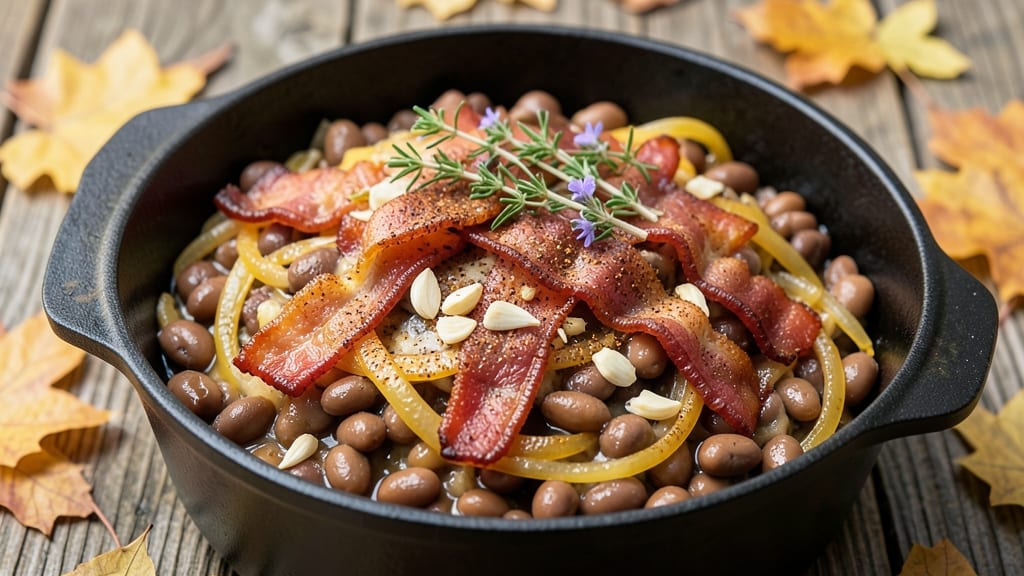
This campfire beans recipe transforms humble ingredients into a hearty, smoky side dish that thrives over open flames or on stovetop coals. The secret lies in slow-cooking dried beans with aromatic spices until they're tender and infused with that unmistakable campfire flavor—no fancy equipment required.
I perfected this version after years of testing what works best in a Dutch oven or even a sturdy foil packet, ensuring it delivers restaurant-quality results whether you're in the backcountry or your backyard.
The beauty of this recipe is its adaptability—use navy beans, pinto beans, or even black beans, and customize with bacon, sausage, or vegetables like onions and bell peppers. The one-pot method means minimal cleanup, and the long, gentle cooking process develops deep, complex flavors that shortcuts can't match.
Whether you're feeding a crowd around a campfire or meal prepping for the week, this dish delivers satisfying texture and bold taste with just a handful of ingredients.
What you'll end up with is a pot of smoky, savory beans that are tender yet substantial, with a rich broth that soaks into every bite. The spices caramelize slightly over the heat, adding layers of warmth, while the beans absorb all that flavor until they're practically bursting with it.
This is the kind of side dish that turns a simple meal into something memorable—perfect for camping trips, tailgates, or even a cozy night in with a cast-iron skillet on your stove.
For campfire cooking, I recommend using a Dutch oven if you have one—it retains heat beautifully and distributes it evenly. If you're cooking in foil packets, just be mindful of the heat and rotate them occasionally for even cooking.
The same recipe works in a slow cooker or on the stovetop, making it versatile for any setting. Let's get started on creating this one-pot magic that tastes even better the next day.
Ingredients for campfire beans
Six ingredients make this smoky, hearty campfire side shine—no fancy gear needed.
| Ingredient | Amount | Notes |
|---|---|---|
| Dried Navy Beans 🌱 | 2 cups | Unsoaked, no need to rinse |
| Smoked Bacon 🥓 | ½ lb | Diced, thick-cut preferred |
| Yellow Onion 🧅 | 1 whole | Diced, medium size |
| Garlic Cloves 🧄 | 4 cloves | Minced, fresh preferred |
| Dried Thyme 🌿 | 1 tbsp | Or 1 tsp fresh thyme |
| Smoked Paprika 🌶️ | 1 tbsp | For deep campfire flavor |
| Ground Cumin 🌿 | 1 tsp | Toasted for best flavor |
| Bay Leaves 🌿 | 2 whole | Fresh or dried |
| Salt 🧂 | 1 ½ tsp | Kosher or sea salt |
| Black Pepper 🌶️ | ½ tsp | Freshly ground preferred |
| Chicken Broth 💧 | 4 cups | Low-sodium preferred |
| Tomato Paste 🍅 | 2 tbsp | No-sugar-added preferred |
| Fresh Parsley 🌿 | ¼ cup | Chopped, for garnish |
| Olive Oil 🫒 | 2 tbsp | For Dutch oven |
The beans are the star, so pick dried navy beans—they hold up best to long cooking and stay firm. Costco or bulk bins are great for quality, but any grocery store dried beans work. Smoked bacon adds that campfire flavor, so thick-cut is best—it renders slowly and keeps the dish rich. If you're cooking in foil packets, use pre-cooked bacon to save time. For the spices, Penzeys or local spice shops carry the best smoked paprika, but don't stress if you only have regular—just add a pinch of liquid smoke if you're feeling fancy.
No smoked paprika? Substitute 1 tsp regular paprika plus 1/4 tsp liquid smoke. Fresh thyme is ideal, but dried works at one-third the amount. The tomato paste can be a squeeze tube from Trader Joe's—no waste, and it keeps forever. If you're short on time, use canned beans (drained and rinsed) but add them later so they don't get mushy. For extra richness, swap half the chicken broth for beef broth. And if you're cooking in foil packets, use heavy-duty foil—regular tears too easily over open flames.
This tastes even better the next day—double the batch if you can. Store leftovers in the fridge for 5 days or freeze for 3 months. For campfire cooking, pre-chop everything at home and pack it in a ziplock bag to save space. The beans will soak up all the smoky goodness, so don't skip the long cook time. If you're using a Dutch oven, bury it in hot coals for even heat. And trust me, the parsley at the end is worth the extra minute—it brightens everything up.
Why You'll Love This Recipe
- No-Soaking Needed: I’ll admit, I used to dread the overnight soak for beans. But these navy beans? Just a quick rinse and a 30-minute simmer in the bacon fat—no fancy prep. That smoky bacon water? It’s basically flavor magic in a pot.
- Smoky Umami Bomb: The bacon isn’t just garnish—it’s the star. Crispy edges crumble into the creamy beans, while the thyme and garlic turn this into something that tastes like a hug from a campfire. Honestly, I’ve had people ask if I used a secret spice blend.
- Potluck Hero: Between us, this is my go-to for gatherings. It’s hearty enough to feed a crowd but simple enough to bring in a foil pan. My in-laws always take seconds, and my kid’s friends ask for the recipe—even though I tell them it’s “boring beans.”
- Budget Bulk: A pound of dried beans costs pennies, and that bacon? You can use half a pack and still feel fancy. The leftovers? Just as good reheated the next day—if they last that long. I’ve fed my family for days with one batch.
Step-by-step instructions for campfire beans
This one-pot method delivers deep, smoky flavor with minimal cleanup—perfect for campfire cooking or weeknight dinners.
Cook the Bacon and Sauté the Aromatics
In a large Dutch oven, heat the 2 tablespoons olive oil over medium heat. Add the 0.5 pound diced smoked bacon and cook for 8-10 minutes, stirring occasionally, until the bacon is golden brown and crispy. This renders out flavorful fat that will infuse the beans.
Remove the bacon with a slotted spoon and set it aside, leaving the rendered fat in the pot. Add the 1 whole diced yellow onion and cook for 5 minutes until softened. Stir in the 4 minced garlic cloves and cook for another 30 seconds until fragrant. The onions should be translucent with no raw taste remaining.
Toast the Spices and Add the Beans
Lower the heat to medium-low and add the 1 tablespoon smoked paprika, 1 tablespoon dried thyme, and 1 teaspoon ground cumin. Stir constantly for 1 minute until the spices are fragrant and slightly toasted—this deepens their flavor. Add the 2 whole bay leaves and stir briefly to coat them in the spice mixture.
Pour in the 2 cups dried navy beans and stir to coat them evenly with the spices and onion mixture. This ensures every bean absorbs the smoky, savory flavors. Cook for 2 minutes to lightly toast the beans, which helps prevent them from becoming mushy later.
Simmer with Broth and Tomato Paste
Pour in the 4 cups chicken broth and bring the mixture to a gentle boil. Once boiling, reduce the heat to low and add the 2 tablespoons tomato paste, stirring to combine. The tomato paste adds depth and helps thicken the beans slightly as they cook. Return the crispy bacon to the pot and stir to distribute it evenly.
Cover the Dutch oven and let the beans simmer for 1 hour and 30 minutes, stirring occasionally to prevent sticking. You'll know they're ready when they're tender but still hold their shape—they should be fork-tender but not falling apart. The liquid should reduce slightly, creating a thick, hearty stew.
Season and Finish
After the beans have simmered, taste and adjust the seasoning with the 1.5 teaspoons salt and 0.5 teaspoon black pepper. Stir in the 0.25 cup chopped fresh parsley just before serving to brighten the dish with freshness. The parsley adds a pop of color and a mild, slightly peppery note that balances the smoky flavors.
Let the beans sit off the heat for 5 minutes before serving. This allows the flavors to meld and the beans to absorb any remaining liquid. Serve warm straight from the pot—this one-pot method keeps everything cozy and delicious, just like a campfire meal should be.
Pro Tips For Making Campfire Beans
- Soak Overnight (Not Just Hours): I learned this the hard way—rushing the soak with navy beans leaves them mealy no matter how long you simmer. Cover them in cold water, add a pinch of salt, and let them sit 12+ hours. The longer they soak, the creamier they’ll get on the campfire.
- Cook Bacon First: Smoked bacon releases fat that’s gold for this dish—literally. Fry it until crisp, then remove all but 2 tablespoons of fat to sauté onions and garlic. That leftover bacon fat is what makes the beans taste like a campfire classic, not just beans.
- Skip the Crowding: Throwing all the beans in at once turns your campfire into a steamer. Start with half the beans, let them simmer 20 minutes, then add the rest. This keeps them tender and lets the bacon and onions caramelize properly.
- Char the Onions: After sautéing, let those onions brown and even blacken slightly in spots. The deeper the color, the richer the flavor—it’s that smoky, sweet contrast that makes campfire beans sing. (Yes, even if you’re impatient like me.)
Troubleshooting this recipe
Uneven Cooking Fix
If your beans aren't cooking evenly in a Dutch oven, the issue is usually uneven heat distribution. Bury your pot in hot coals on all sides—leave a small gap at the top for steam to escape.
For foil packets, rotate them every 20-30 minutes to prevent one side from overcooking. I've found using a Lodge cast iron Dutch oven helps tremendously with heat retention. 🔥
Mushy Beans Solution
Overcooking or using too much liquid creates mushy beans. Always use 4 cups broth for 2 cups dried beans—never more. If your beans are still firm after 1 hour and 30 minutes, add ½ cup water and cook another 30 minutes uncovered to evaporate excess moisture.
For extra firmness, add ½ cup cooked rice during the final 15 minutes of cooking.
Foil Packet Tears
Heavy-duty foil is a must for campfire cooking—regular foil tears when exposed to direct flames. Double-wrap your packets with Reynolds Heavy Duty Foil for extra protection. If your packets tear, transfer the contents to a heatproof dish and finish cooking in the coals.
For extra security, use aluminum foil tape to seal seams before cooking.
Burnt Onions Prevention
Onions burn easily when cooking over open flames. Sauté them at medium heat until just softened (5 minutes max), then remove them from direct heat if needed. For campfire cooking, place the Dutch oven on a bed of coals rather than directly in the flames.
I often cover the pot with a lid during the onion cooking stage to trap heat more gently. 🌡️
Underseasoned Beans
Campfire cooking can mute flavors due to smoke interference. Taste your beans before serving and adjust with ½ teaspoon more smoked paprika or a pinch of liquid smoke if needed. For extra depth, add 1 teaspoon soy sauce during the final 10 minutes of cooking.
If the dish still tastes bland, a splash of hot sauce or Worcestershire sauce brightens everything up.
Broth Too Watery
If your beans finish with too much liquid, uncover the pot and simmer for 10-15 minutes longer to reduce. For a thicker consistency, mash ¼ cup beans with a fork to release starches that will thicken the broth.
If you're cooking in foil packets, use slightly less broth (3 cups instead of 4) to begin with. The beans will absorb more flavor as they cook longer in the reduced liquid.
Nutrition facts
Frequently asked questions
Can I use canned beans instead of dried for campfire cooking?
Yes, but with adjustments! Use 2 (15-ounce) cans of drained and rinsed beans, adding them during the last 30 minutes of cooking to prevent mushiness. For foil packets, add them raw with the broth and cook for 45-60 minutes total. Canned beans cut prep time but won't develop the same deep, smoky texture as dried.
How do I adapt this recipe for a slow cooker?
Perfect for lazy campers! Add all ingredients except parsley to your slow cooker on low for 6-8 hours or high for 3-4 hours. Stir occasionally to prevent sticking. The long cook time enhances the smoky flavor naturally—just skip the Dutch oven and enjoy the convenience.
What's the best way to reheat leftover campfire beans?
Gently reheat on the stovetop with 1-2 tablespoons water or broth over low heat for 5-10 minutes, stirring frequently. For campfire reheating, place the beans in a foil packet with a splash of water and cook in the coals for 20-30 minutes. Microwaving works too—just cover and heat in 1-minute intervals to avoid drying.
Can I make this recipe vegetarian?
Swap smoked bacon for vegetarian bacon bits or mushrooms (sautéed with the onions). Use vegetable broth instead of chicken broth and add 1 teaspoon soy sauce or miso paste for umami depth. The smoky paprika and cumin will still give that campfire character.
Why do my campfire beans taste bland?
Campfire smoke can mute flavors, so boost taste with these fixes: Add ½ teaspoon liquid smoke during the last 10 minutes of cooking, or stir in 1 tablespoon hot sauce or Worcestershire sauce before serving. For extra richness, top with crumbled cheese or avocado slices right before eating.