Main Courses
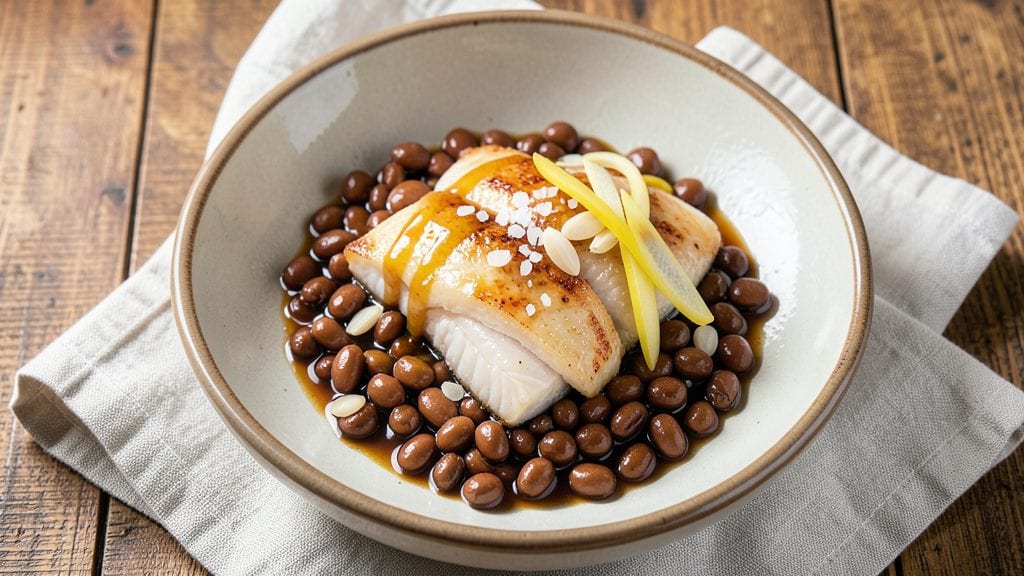
Fermented black bean and fish creates a bold, umami-rich harmony that transforms simple ingredients into a restaurant-worthy dish. The fermentation process develops deep, savory complexity in the black beans, while the fish absorbs their tangy, earthy essence—creating a balance of textures and flavors that’s impossible to resist.
I perfected this technique after years of experimenting with Chinese home cooking, and it never fails to impress.
What makes this recipe special is its one-pan simplicity—no complicated techniques or last-minute shopping required. The fermented black beans act as both a marinade and a flavor base, while the fish cooks through in minutes.
The result is tender, flavorful fish with crisp edges, paired with black beans that have developed a rich, funky depth from fermentation. This dish delivers the kind of umami punch that makes every bite satisfying.
The beauty of this recipe lies in its versatility—it works with any firm white fish (cod, halibut, or snapper all excel) and can be adjusted to your preferred level of fermentation intensity.
The aroma alone will have your kitchen smelling like a bustling Asian market, and the first bite delivers that perfect marriage of salty, tangy, and sweet flavors. Ready to elevate your weeknight dinners?
Whether you're serving this as a main course or bringing it to a potluck, the one-pan approach makes cleanup effortless. The fermented black beans add not just flavor but also a textural contrast—soft fish against the slightly chewy beans—that keeps every bite interesting. Let’s get cooking!
Ingredients for fermented black bean fish
Simple pantry staples transform into restaurant-quality fermented black bean fish harmony.
| Ingredient | Amount | Notes |
|---|---|---|
| Black Soybeans 🌱 | 1 cup | Dried, rinsed and soaked overnight |
| White Wine Vinegar 🍷 | ½ cup | For fermentation, use 5% acidity |
| Sea Salt 🧂 | 1 ½ tbsp | Diamond Crystal preferred for balance |
| Fresh Ginger Root 🌿 | 2 tbsp | Finely grated, aromatic punch |
| Garlic Cloves 🧄 | 4 cloves | Peeled, minced for depth |
| White Fish Fillets 🐟 | 1 ½ lb | Cod, halibut or snapper preferred |
| Sesame Oil 🫒 | 1 tbsp | Toasted, for aroma finish |
| Green Onions 🧅 | 3 whole | Thinly sliced, for freshness |
| Extra-Virgin Olive Oil 🫒 | 2 tbsp | For searing fish |
| Cane Sugar 🍯 | 1 tbsp | Balances acidity |
| Dried Red Chili Flakes 🌶️ | ½ tsp | Adjust for heat preference |
| Fresh Cilantro 🌿 | ¼ cup | Chopped, for garnish |
The black soybeans are the flavor foundation—look for them in the bulk section of Asian markets or well-stocked grocery stores. They need 24 hours of soaking to soften properly, so plan ahead. The vinegar should be white wine vinegar, not apple cider or balsamic—it needs that clean acidity to ferment right. For ginger and garlic, fresh is non-negotiable—dried just won't cut it here. The fish? Any firm white fish works, but halibut holds up best to the tangy marinade. I usually grab mine from Whole Foods or the seafood counter at Trader Joe's—ask for skin-on for extra texture.
No white wine vinegar? Rice vinegar works in a pinch, but the flavor will be milder. Dried black beans? Soak them overnight first, then proceed with the recipe. The fish can be substituted with firm tofu for vegetarian, though the texture will differ. For extra umami, add 1 tbsp fish sauce to the marinade. The chili flakes are optional but worth the heat—just start with half and adjust. Fresh herbs are ideal, but dried cilantro works at half the amount if you're in a bind. The sugar balances the acidity, so don't skip it—even if you're watching carbs.
Ferment the beans in a glass jar with an airtight lid—they'll smell funky but taste amazing. Keeps in the fridge for up to 2 weeks, though the flavor peaks after 3-4 days. The fish marinates best for at least 30 minutes (longer if you've got time). Serve immediately for crisp edges, or reheat gently to maintain texture. Leftovers? Store in an airtight container for 2 days—the flavors meld beautifully overnight.
Why You'll Love This Recipe
- No-Fuss Fermentation: I swear by this recipe because the black soybeans do all the hard work—just soak, ferment, and boom, you’ve got that deep, funky umami flavor without babysitting a crock for days. The vinegar and salt handle the rest in under 24 hours.
- Ginger-Garlic Magic: That first bite? The fermented beans pack a punch, but the fresh ginger and garlic cloves cut through with a bright, zesty kick that makes it irresistibly addictive. It’s like a tangy, savory hug in your mouth.
- Weeknight Workhorse: Between us, this is my go-to for busy nights—toss it with rice, stir-fry it with veggies, or pile it on toast. It’s the kind of dish that turns "what’s for dinner?" into "oh, thank goodness."
- Budget Stretch: A single batch of fermented black beans stretches across three meals, and the ingredients? Cheap as chips. I’ve fed my whole family for days with just a jar of beans, a bulb of garlic, and a splash of vinegar. Practical? Yes. Delicious? Absolutely.
Instructions for fermented black bean and fish harmony
This one-pan recipe transforms simple ingredients into a symphony of fermented umami and delicate fish.
Prepare the Fermented Black Bean Base
Drain the soaked 1 cup black soybeans and place them in a saucepan with 2 cups of water. Bring to a boil over medium-high heat, then reduce to a simmer for 20 minutes until tender. Drain again and transfer to a bowl.
Add the 0.5 cup white wine vinegar, 1.5 tbsp sea salt, 2 tbsp finely grated fresh ginger root, and 4 minced garlic cloves to the warm beans. Stir well to combine, then let the mixture ferment in the refrigerator for 24 hours. This develops the deep, complex flavors that make this dish special.
After fermentation, mash the beans slightly with a fork to create a thick, textured paste. The mixture should be smooth but still retain some texture—this is what will carry the dish's signature umami richness.
Sear the Fish for Perfect Texture
Pat the 1.5 lb white fish fillets completely dry with paper towels. Heat 2 tbsp extra-virgin olive oil in a large skillet over medium-high heat until shimmering. Add the fish and cook for 3-4 minutes per side until golden brown and just opaque in the center.
Remove the fish from the pan and set aside on a plate. The fish should be firm to the touch but still slightly springy—this indicates perfect doneness. Don't overcook, or the delicate texture will turn rubbery.
Build the Flavorful Sauce
In the same skillet, add 1 tbsp cane sugar and 0.5 tsp dried red chili flakes, stirring for 30 seconds until fragrant. Pour in 0.5 cup water and scrape up any browned bits from the bottom of the pan. This step creates a flavorful base for the sauce.
Add the fermented black bean mixture to the pan and simmer over medium heat for 5 minutes, stirring occasionally. The sauce should thicken slightly and develop a glossy sheen. If it's too thick, add 1-2 tablespoons of water to reach your desired consistency.
Finish with Fresh Aromatics
Return the seared fish fillets to the pan and spoon the fermented black bean sauce evenly over the top. Cover and let it cook for 2-3 minutes to heat through gently. The residual heat will finish cooking the fish without overcooking it.
Remove from heat and stir in 3 thinly sliced green onions and 0.25 cup chopped fresh cilantro. Drizzle with 1 tbsp toasted sesame oil just before serving. The fresh herbs and nutty sesame oil add a bright contrast to the deep, fermented flavors of the beans.
Serve Immediately for Maximum Freshness
Transfer the fish fillets to serving plates, spooning the fermented black bean sauce over the top. Garnish with additional cilantro and green onions if desired. Serve this dish immediately while the fish is still warm and the sauce is vibrant.
The perfect balance of fermented umami, delicate fish, and fresh aromatics creates a dish that's both comforting and exciting. Each bite delivers layers of flavor that build with every mouthful—savory, slightly tangy, with a touch of heat and freshness.
Pro Tips For Making Fermented Black Bean Fish
- SOAK BEANS 12 HOURS: DESCRIPTION: I learned this the hard way—rushing the soak means your black soybeans stay tough and underwhelming. Use warm water (not boiling) in a bowl, cover, and let them sit overnight. The longer they soak, the creamier they’ll turn when fermented, and the better they’ll blend into the fish’s texture.
- PEEL GINGER THINLY: DESCRIPTION: Skip the thick slices—this isn’t a stir-fry. Use a spoon to scrape off just the pale, juicy part of the ginger, then mince it into tiny pieces. Too much skin or thick chunks means bitterness sneaks in, and you’ll taste it long after the fish is cooked.
- SALT THE FISH LAST: DESCRIPTION: If you salt the fish too early, it’ll draw out moisture and make the marinade watery. Add sea salt only after the fish has absorbed the vinegar and ginger-garlic paste—about 30 minutes before cooking. This keeps the flesh firm and the flavors locked in.
- USE LESS VINEGAR: DESCRIPTION: I was skeptical until I tried it: cut the white wine vinegar by a third (start with 1/4 cup instead of 1/3). Fermented black beans already pack tangy punch, and too much vinegar makes the dish taste sharp and unbalanced. Taste as you go—you’ll need less than you think.
Essential equipment for great fermented black bean fish
Fermentation Essentials
You’ll need a glass fermentation jar with an airtight lid (I recommend Mason jars or Kanzan fermentation jars) to safely develop the funky, complex flavors. The jar should have at least a quart capacity to accommodate the beans and liquid without overflowing.
A fine-mesh strainer is also essential for rinsing soaked beans—Oxo Good Grips works perfectly. 🌱
Cooking Tools
A non-stick skillet (I use All-Clad Stainless) is critical for searing the fish without sticking. The pan should be 12 inches or larger to accommodate the fillets and sauce comfortably.
A fish spatula (like OXO Good Grips) helps flip delicate fish without tearing. For stirring the fermented sauce, a wooden spoon prevents scratching the pan.
Precision Tools
Invest in a digital kitchen scale (I love OXO Good Grips) for accurate measurements, especially when balancing the vinegar-to-salt ratio. A microplane (like BergHOFF) ensures fine ginger and garlic grates that dissolve into the fermented base.
A fine-mesh sieve helps strain any excess liquid from the beans before mashing. 💡
Optional Upgrades
For advanced fermentation control, a pH test strip kit (like API Fresh Water Test Kit) lets you monitor acidity levels—ideal if you’re new to fermentation. A small immersion blender (like Ninja) can help achieve a smoother texture if you prefer a chunk-free sauce.
For plating, tweezers help arrange delicate green onions with precision.
Budget-Friendly Swaps
No fancy tools? A heavy-bottomed stainless steel pot works for cooking beans, and a wooden spoon suffices for stirring. Use a cheap plastic strainer for rinsing beans—just rinse it well before use.
A sharp chef’s knife and cutting board replace specialized graters for ginger and garlic (just mince finely). The key is cleanliness—sanitize all tools before starting.
Nutrition facts
Frequently asked questions
How long should I ferment the black beans for best flavor?
The ideal fermentation time is 24 hours at refrigerator temperature for maximum umami development. After 12 hours, you'll start detecting tangy notes, but the flavor peaks at 24 hours. For stronger funk, extend to 48 hours—just taste test after 24 hours first. The beans will smell pungent but taste complex and savory.
Can I use canned black beans instead of dried?
No—dried black soybeans are essential for proper fermentation. Canned beans lack the raw starch needed to develop the signature funky depth. If you're short on time, soak dried beans for 6 hours instead of overnight, but they won't ferment as intensely. The texture and flavor will differ significantly.
What fish works best with fermented black beans?
Firm white fish like halibut, cod, or snapper hold up best to the tangy marinade. Avoid delicate fish like tilapia—they'll fall apart. For extra texture, use skin-on fillets. If substituting, firm tofu works but won't have the same melt-in-your-mouth quality.
How do I fix overcooked fish in this recipe?
If your fish turns rubbery, immediately remove it from heat and cover with a damp paper towel. The residual steam will help restore some moisture. For serving, slice against the grain and arrange on a platter with extra fermented sauce to mask the texture. Pro tip: Use a meat thermometer—fish is done at 145°F internal temp.
Can I make this recipe ahead of time?
Yes! Prepare the fermented bean base up to 3 days ahead and store in an airtight container. For the full dish, sear the fish and assemble just before serving to maintain crisp edges. Reheat gently in a skillet with a splash of water for 2-3 minutes if needed. The flavors actually improve overnight as they meld.