
Side Dishes
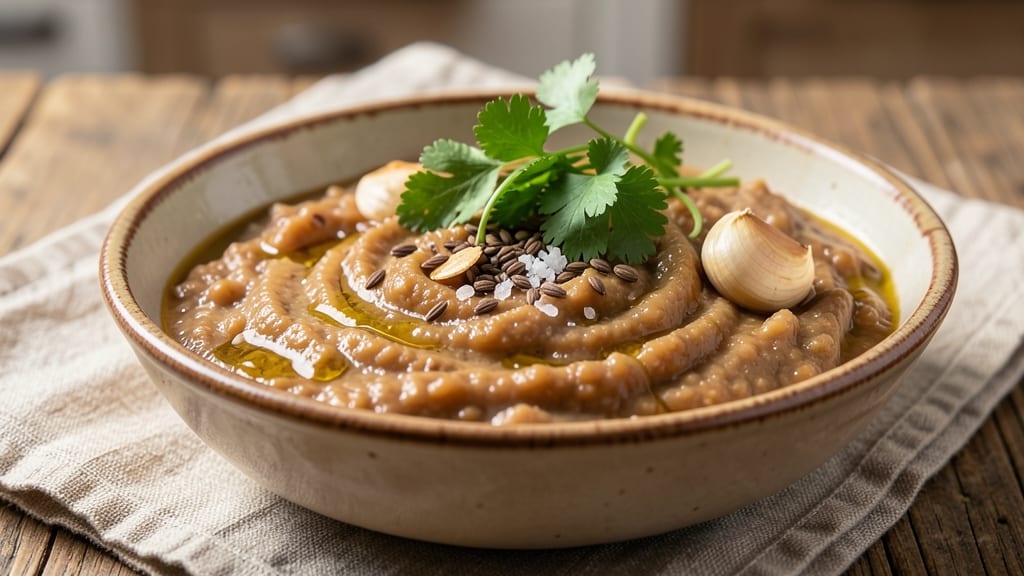
This Mexican refried beans recipe with canned beans transforms pantry staples into a creamy, restaurant-worthy side in just 15 minutes—no fresh beans or soaking required.
Standing on a step stool in my grandmother’s kitchen in Sicily, I learned how simple ingredients can create depth of flavor, and this recipe proves the same principle holds true for Mexican cooking.
The key lies in the right seasoning blend and gentle mashing technique that preserves texture while building richness.
What sets this method apart is its foolproof simplicity: you’ll use canned pinto beans, lard or oil, and basic pantry spices to create a velvety, flavorful base that’s smooth enough for dipping tortilla chips or hearty enough to stand up as a vegetarian main.
The secret weapon? A slow simmer that develops the beans’ natural sweetness while absorbing aromatic spices like cumin and garlic—no fancy equipment needed.
By the time you’re done, you’ll have a pot of luscious, slightly crisp-edged beans that taste like they simmered for hours, not minutes. The aroma alone—warm, earthy, with just a hint of smokiness—will have everyone reaching for seconds.
This is the kind of side dish that transforms ordinary meals into something special, and it’s ready in time for lunch or dinner.
Serve it as a base for tacos, a topping for grilled meats, or alongside rice for a complete meal. The beauty of this recipe is its versatility—it’s restaurant-quality at home, with just a few minutes of active prep and a little patience for the flavors to meld.
Let’s get started!
Ingredients for mexican refried beans recipe with canned beans
Pantry staples meet Mexican magic—just 12 ingredients for creamy, restaurant-worthy refried beans.
| Ingredient | Amount | Notes |
|---|---|---|
| Canned Pinto Beans 🌿 | 2 cups | Drained and rinsed thoroughly |
| Vegetable Lard or Vegetable Oil 🫒 | ¼ cup | Lard for authentic flavor, oil for vegetarian |
| Garlic Cloves 🧄 | 3 cloves | Peeled and roughly chopped |
| Ground Cumin 🌿 | 1 tbsp | Toasted for deeper aroma |
| Dried Oregano 🍃 | 1 tsp | Mexican oregano preferred |
| Salt 🧂 | 1 tsp | Kosher or sea salt |
| Black Pepper 🌶️ | ½ tsp | Freshly ground preferred |
| Lemon Juice 🍋 | 1 tbsp | Freshly squeezed |
| Bay Leaf 🌿 | 1 whole | For simmering depth |
| Vegetable Broth 💧 | ½ cup | Low-sodium preferred |
| Cream Cheese or Sour Cream 🧀 | ¼ cup | Optional for extra creaminess |
| Fresh Cilantro 🌿 | ¼ cup | Chopped, for garnish |
The beans are the foundation, so canned pinto beans are non-negotiable here—they hold their shape better than black beans and develop that signature creamy texture. Look for low-sodium brands like Goya or Bush’s to control salt levels, or rinse thoroughly if using regular canned beans. For the fat, vegetable lard delivers that authentic, slightly crisp edge (it’s vegetarian-friendly and widely available), but vegetable oil works perfectly if you’re avoiding animal products. The garlic and cumin are where the flavor really sings—toast the cumin seeds whole for 30 seconds in a dry pan before grinding to deepen their aroma. Fresh cilantro from the grocery store’s produce section adds brightness, but dried works in a pinch if you’re in a hurry.
No cumin? Smoked paprika at half the amount gives a similar earthiness, though it won’t be quite the same. Short on garlic? Garlic powder works at double the amount, but fresh is ideal. The lemon juice brightens everything up—bottled lemon juice is fine, but fresh is always better. For extra richness, cream cheese or sour cream blends in beautifully (I like to stir it in at the end), but it’s optional if you’re watching calories. The vegetable broth adds depth without overpowering, so low-sodium versions like Pacific Foods or Swanson are perfect. If you’re making this ahead, the beans actually taste better the next day as the flavors meld—just reheat with a splash of water or broth to restore creaminess.
Store leftovers in an airtight container in the fridge for up to 5 days, or freeze for 3 months in portions. I like to portion them into small containers with a pat of butter or oil on top to keep them moist. For serving, a sprinkle of fresh cilantro and a drizzle of hot sauce takes it to the next level. These beans reheat beautifully—just stir in a splash of water or broth and warm over medium-low heat. The key is patience: let them simmer gently so they don’t turn mushy, and you’ll get that perfect, slightly crisp texture every time.
Why You'll Love This Recipe
- Here’s what sold me: the texture. You get that velvety, almost buttery consistency from mashing the beans just right, but the edges stay slightly crispy from the oil. Add a pinch of salt and a splash of water while you cook, and it turns into something dangerously addictive—like a hug in a bowl.
- Five-Ingredient Magic: I swear by this recipe because it’s the kind of meal that turns up the heat without turning up the stress. You’re basically mashing canned beans with garlic, cumin, and a little oil—no fancy techniques, no last-minute store runs. The secret? Toasting the cumin in the oil first—it smells like a Mexican kitchen should, and that aroma alone makes everything better.
- Creamy with Crunch: Here’s what sold me: the texture. You get that velvety, almost buttery consistency from mashing the beans just right, but the edges stay slightly crispy from the oil. Add a pinch of salt and a splash of water while you cook, and it turns into something dangerously addictive—like a hug in a bowl.
- Taco Night or Breakfast: Between us, these beans are my secret weapon for lazy mornings or quick dinners. Spread them on toast with a fried egg and hot sauce, or pile them into tortillas with cheese and salsa. They even work as a side for grilled chicken or steak—seriously, they’re that versatile. (Yes, even on a Tuesday night.)
Step-by-step instructions for Mexican refried beans with canned beans
Here's how to transform canned beans into velvety, flavorful refried beans in record time.
Cook the Beans Until Tender
Drain and rinse the 2 cups canned pinto beans thoroughly under cold water to remove excess sodium. Transfer them to a medium saucepan and add the 0.5 cup vegetable broth. Bring to a gentle boil over medium heat, then reduce to a simmer and cook uncovered for 5-7 minutes until the beans are heated through and slightly softened.
Here's the thing—don't skip this step. Simmering the beans first helps break down their skins slightly, which is essential for achieving that authentic refried texture. You'll know they're ready when they're hot and the skins begin to soften just enough to mash easily. If using lard for authentic flavor, add it now and let it melt into the beans while they simmer.
Mash and Season the Beans
Using a potato masher or wooden spoon, mash the beans directly in the saucepan until they reach your desired consistency—smooth but still slightly textured with small lumps. For authentic refried beans, I aim for a thick, spreadable texture rather than completely smooth.
Add the 1 tablespoon ground cumin, 1 teaspoon dried oregano, 1 teaspoon salt, and 0.5 teaspoon black pepper. Stir well to distribute the spices evenly. The cumin and oregano are what give these beans their signature Mexican flavor profile. Taste and adjust seasoning if needed—this is when you can really make the flavors sing.
Build the Flavor Base
Increase heat to medium and add the 3 cloves roughly chopped garlic and 1 whole bay leaf. Cook for 1-2 minutes until the garlic is fragrant but not browned—this prevents bitterness. Pour in the 1 tablespoon lemon juice and stir. The acidity brightens the flavors and helps balance the richness of the beans.
Here's where it gets good: let the mixture simmer gently for 3-4 minutes. You'll see the beans begin to thicken as the liquid reduces. The bay leaf adds subtle earthy depth while the lemon juice prevents the beans from becoming too heavy. Keep an eye on the pan—you want the beans to coat the back of a spoon but still maintain a creamy texture.
Finish with Creaminess and Garnish
Reduce heat to low and stir in the 0.25 cup cream cheese or sour cream. Let it melt completely into the beans, stirring constantly for 1-2 minutes. This step adds that luxurious creaminess that makes these refried beans so special. If using lard, the fat content helps emulsify the cream cheese beautifully.
Remove from heat and stir in the 0.25 cup chopped fresh cilantro. Let the beans rest for 2-3 minutes to allow the flavors to meld completely. The cream cheese should be fully incorporated, giving the beans a velvety finish. Taste again and adjust seasoning if needed—sometimes the creaminess can mute the flavors slightly.
Serve Warm with Your Favorite Toppings
Transfer the refried beans to a serving bowl and serve immediately while warm. These beans pair perfectly with warm tortillas, grilled meats, or as a hearty breakfast dish. The texture should be thick enough to hold its shape when spread but still creamy enough to melt in your mouth.
For extra richness, top with a drizzle of melted butter or a sprinkle of crumbled queso fresco. The contrast between the creamy beans and these toppings creates a truly satisfying bite. Remember, the key to great refried beans is in the seasoning and texture—don't rush the mashing or seasoning steps, as these are what elevate simple canned beans to restaurant-quality refried beans.
Pro Tips For Making Mexican Refried Beans Recipe With Canned Beans
- Drain. Rinse. Repeat.: Your canned pinto beans will taste like they’re fresh if you give them a quick rinse after draining—especially if they’re salt-packed. I learned this the hard way when my first batch tasted bland and metallic. Just swirl them in the colander under cold water for 10 seconds, and you’ll taste the difference.
- Cook Low and Slow: Refried beans need patience—don’t rush the simmer. After mashing, keep the heat at a gentle bubble (medium-low) for at least 10-15 minutes. I used to crank it up, and the beans would split into a watery mess. Low heat keeps them thick and creamy, not gloppy.
- Toast the Cumin First: Dry-toast your cumin in the fat for 30 seconds before adding garlic. This deepens its earthy flavor and prevents it from tasting raw. I was skeptical until I tried it—now it’s non-negotiable for me.
- Mash Half, Stir the Rest: Don’t mash all the beans at once—leave about a third whole to stir into the mix later. This keeps the texture just right: thick but not paste-like. I skip this, and the beans turn into a uniform mush. (Your future self will thank you.)
Perfect pairings for mexican refried beans recipe with canned beans
Taco Night Essentials
These refried beans are the ultimate taco night companion—spread them on warm corn tortillas with shredded chicken or beef for instant flavor depth. I like to add a sprinkle of crumbled cotija cheese and pickled red onions for that perfect balance of tangy, creamy, and savory.
For vegetarian tacos, pile them high with sautéed mushrooms, avocado, and a drizzle of hot sauce. 🌶️
Breakfast Powerhouse
Start your day with refried beans as a hearty breakfast side. Serve them alongside scrambled eggs, crispy bacon, and toasted sourdough for a satisfying meal. I often add a dollop of sour cream and a sprinkle of fresh cilantro for extra freshness.
This combo is a game-changer for lazy mornings—no need for fancy brunch when you’ve got this on hand. 🍳
Burrito Filling
Transform these beans into a burrito filling by mixing them with seasoned rice, black beans, and your choice of protein. Wrap them in a large flour tortilla with cheese, lettuce, and salsa for a customizable, flavor-packed meal.
Pro tip: Use a cast iron skillet to warm the tortillas so they stay pliable and delicious. This is my go-to for quick, satisfying lunches. 🌯
Dipping Sauce Upgrade
Turn your refried beans into a dip by spreading them on a platter and topping with crumbled queso fresco, chopped scallions, and a drizzle of olive oil. Serve with warm tortilla chips or veggie sticks for a crowd-pleasing appetizer.
The creaminess of the beans pairs perfectly with the crispness of the chips, making it a match made in heaven. 🍿
Mexican Rice Bowl Base
Use these beans as the foundation for a loaded Mexican rice bowl. Mix them with cilantro-lime rice, black beans, corn, and avocado slices. Top with your favorite proteins like grilled chicken or steak, and finish with a sprinkle of crushed tortilla chips for crunch.
This bowl is a flavor explosion in every bite and perfect for meal prep. 🥗
Quesadilla Magic
Stuff these refried beans between two flour tortillas with shredded Monterey Jack cheese and sautéed bell peppers for a cheesy, melty quesadilla. Cook in a skillet over medium heat until golden and crispy, then serve with a side of salsa verde or sour cream.
This is a kid-friendly favorite that’s quick to make and always a hit. 🧀
Nutrition facts
Frequently asked questions
Can I make these refried beans without cream cheese?
The cream cheese adds richness, but you can skip it entirely or substitute with 2 tablespoons of sour cream or even 1 tablespoon of butter for a lighter version. The beans will still be flavorful—the creaminess comes from the beans themselves when mashed properly. For extra depth, add 1 tablespoon of mashed avocado at the end for a fresh twist.
Why do my refried beans turn out watery?
Watery beans usually happen from one of two things: over-mashing with too much liquid or not reducing the broth enough. First, make sure to simmer the beans uncovered for 3-4 minutes after adding spices to let the liquid reduce. Second, if using a potato masher, press gently to create small lumps rather than forcing them through a strainer. For extra thickness, stir in 1 tablespoon of cornstarch mixed with water at the end.
What’s the difference between refried beans and regular beans?
Regular beans are whole and firm, while refried beans are mashed into a creamy, spreadable texture. The key difference lies in the cooking process: refried beans are simmered longer to break down the skins, then mashed with fat (lard or oil) and spices. This creates a velvety consistency perfect for dipping or spreading, whereas regular beans hold their shape. Think of them as Mexican-style mashed potatoes!
Can I use black beans instead of pinto beans?
Yes, but expect a slightly different texture and flavor. Black beans are softer and hold their shape better, so they’ll create a smoother mash. For best results, add 1 extra tablespoon of lard or oil to help bind the beans together. If you prefer the classic pinto bean flavor, stick with them—they develop a richer, earthier taste when refried. For a mix, use 1 cup pinto and 1 cup black beans for a balanced texture.
How do I store leftovers for best texture?
Store refried beans in an airtight container in the fridge for up to 5 days. To reheat, add 1-2 tablespoons of water or broth per cup of beans and warm over low heat while stirring constantly. The key is to prevent drying out—never microwave directly from the fridge. For freezing, portion into 1-cup servings with a pat of butter or oil on top to preserve moisture. Thaw overnight in the fridge before reheating.