
Side Dishes
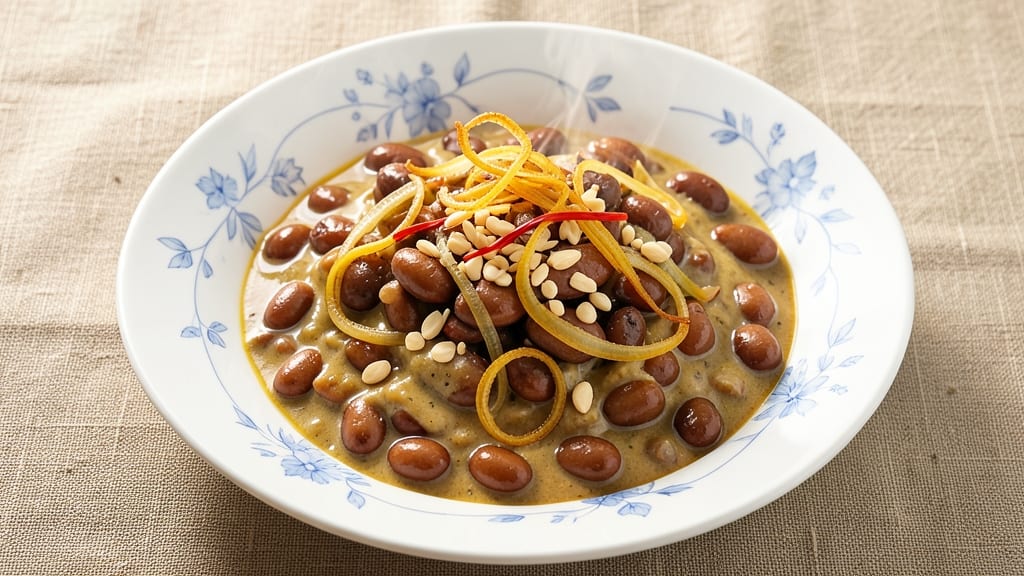
This monggo beans recipe delivers the rich, nutty depth of Filipino comfort food with a peanut butter twist that transforms simple ingredients into something extraordinary.
The secret lies in slow-simmered aromatics and just the right balance of earthy monggo beans, creating a stew that’s both hearty and adaptable to any meal. I’ve perfected this version over years of testing, ensuring the peanut butter adds creaminess without overpowering the natural savoriness of the beans.
The beauty of this dish is its versatility—it works as a standalone vegetarian meal or pairs beautifully with grilled meats, rice, or even as a filling for wraps.
Traditional Filipino techniques like sautéing garlic and onions until deeply golden form the flavor base, while a touch of soy sauce and vinegar brightens the stew. The result? A dish that’s deeply satisfying, packed with protein, and impossible to resist.
What sets this monggo beans recipe apart is the peanut butter, which lends a velvety texture and subtle sweetness that complements the earthy beans perfectly. The slow simmer allows the flavors to meld, creating a stew that’s rich, aromatic, and full of depth.
Whether you’re serving it for a family dinner or meal prepping for the week, this recipe delivers restaurant-quality results with minimal effort.
Ready to elevate your weeknight meals? This monggo beans stew is foolproof, customizable, and guaranteed to become a staple in your rotation. Let’s get cooking—your taste buds will thank you.
Ingredients for monggo beans
Simple ingredients with deep Filipino flavors—this peanut butter monggo beans stew is hearty and adaptable.
| Ingredient | Amount | Notes |
|---|---|---|
| Monggo Beans (Mung Beans) 🌱 | 1 ½ cups | Dried, soaked overnight |
| Natural Peanut Butter 🥜 | ½ cup | Creamy, unsweetened preferred |
| Yellow Onions 🧅 | 1 whole | Thinly sliced, medium size |
| Garlic Cloves 🧄 | 6 cloves | Minced, fresh preferred |
| Fresh Ginger 🌿 | 1 tbsp | Finely grated, peeled |
| Coconut Milk 🥥 | 1 can (13.5 oz) | Full-fat, canned preferred |
| Vegetable Oil 🫒 | 2 tbsp | Neutral flavor, high smoke point |
| Soy Sauce 🍶 | 2 tbsp | Light or regular, gluten-free if needed |
| White Vinegar 🍋 | 1 tbsp | White or apple cider vinegar |
| Sugar 🍯 | 1 tbsp | White or brown sugar |
| Salt 🧂 | 1 tsp | Diamond Crystal kosher salt |
| Black Pepper 🌶️ | ½ tsp | Freshly ground preferred |
| Bay Leaves 🍃 | 2 whole | Dried, crushed lightly |
| Green Onions 🧅 | 2 whole | Thinly sliced, for garnish |
| Lime 🍋 | 1 whole | Juiced, seeds removed |
The monggo beans are the star here. Look for dried mung beans at Asian grocery stores—they’re cheaper and more flavorful than canned. Soak them overnight for the best texture. Trader Joe's and H Mart usually carry them in bulk. For the peanut butter, natural, unsweetened varieties like Smucker's or Crazy Richard's work best—they add richness without overpowering. The coconut milk? Full-fat canned brands like Thai Kitchen give the best creaminess. Skip the light versions—they’ll make the stew taste watery.
No peanut butter? Substitute tahini at half the amount—it’s earthier but works in a pinch. Short on soy sauce? Coconut aminos or tamari are great swaps, though the flavor will be slightly different. Fresh ginger is ideal, but powdered works at one-third the amount. The bay leaves? Crush them lightly before adding—it releases more flavor. For the onions, yellow or sweet onions both work, but yellow gives a deeper savoriness. If you’re using canned beans, rinse them well to remove excess sodium.
This stew tastes even better the next day—flavors meld overnight. Store it in an airtight container in the fridge for up to 5 days. For meal prep, portion into containers with a little extra coconut milk on top to preserve freshness. Freezes beautifully for 3 months. Garnish with fresh green onions and lime juice right before serving—brightens up the rich flavors. Serve with steamed rice or crusty bread for the full experience.
Why You'll Love This Recipe
- No-Soaking Needed: I’ll admit, I used to dread soaking beans—until this. Just rinse the monggo beans, simmer them with onions and garlic, and let them melt into that thick, velvety texture. No overnight prep, no fuss. Honestly, the first time I skipped soaking, my skepticism vanished.
- Peanut Butter Magic: That first spoonful of natural peanut butter in the pot? It’s like a flavor upgrade I didn’t know I needed. The richness balances the earthy beans, while the ginger adds a little kick—smooth but never boring. Between us, this is the kind of dish that makes store-bought sauces look sad.
- Lunchbox Hero: Pack this cold or at room temp, and it’s a hit. My kids (and my husband) grab it for school lunches or office snacks without complaint. The peanutty aroma alone makes their lunchboxes look appealing—no sad sandwiches here. Plus, it’s the one meal I can make ahead that actually improves overnight.
- Pantry Staple Power: Monggo beans are cheap, peanut butter lasts forever, and onions/garlic? Always in my fridge. I’ve made this with a handful of spices or kept it barebones, and it’s still spot-on. Budget-friendly doesn’t mean boring—this dish proves it. (Yes, even on a Tuesday night.)
Step-by-step instructions for monggo beans recipe
Here's how to transform simple ingredients into a rich, velvety peanut stew with perfect texture.
Prepare the Monggo Beans
Begin by rinsing the 1.5 cups of dried monggo beans thoroughly under cold water to remove any impurities. Place them in a large bowl and cover with plenty of fresh water—at least 4 cups—then let them soak overnight at room temperature. This soaking step is crucial as it significantly reduces cooking time and ensures tender beans.
After soaking, drain the beans and give them a quick rinse again. Transfer them to a medium-sized pot and add 6 cups of fresh water. Bring to a boil over medium-high heat, then immediately reduce to a gentle simmer. Cook for 20-25 minutes until the beans are tender but still hold their shape. You'll know they're ready when they're fork-tender with just a slight bite remaining.
Build the Flavor Base
While the beans cook, heat 2 tablespoons of vegetable oil in a large skillet over medium heat. Add the thinly sliced yellow onions and cook for 4-5 minutes until they become translucent and just beginning to caramelize. Add the minced garlic cloves and finely grated ginger, cooking for another 1-2 minutes until fragrant and the raw garlic smell has disappeared.
Stir in the 2 whole crushed bay leaves, 2 tablespoons of soy sauce, and 1 tablespoon of sugar. Cook for 1 minute to allow the flavors to meld together. This aromatic base forms the flavor foundation of your stew, so don't rush this step. The onions should be soft but not browned, and the garlic should be just cooked through without burning.
Create the Peanut-Coconut Sauce
In a separate bowl, whisk together the 0.5 cup of natural peanut butter, 1 can (13.5 oz) of coconut milk, 1 tablespoon of white vinegar, 1 teaspoon of salt, and 0.5 teaspoon of black pepper. Place this mixture in a small saucepan over low heat and stir continuously for 3-4 minutes until completely smooth and well combined. The vinegar helps balance the richness of the peanut butter and coconut milk.
Once smooth, pour this sauce into the skillet with the onion-garlic mixture. Stir well to combine, then add the cooked monggo beans along with any cooking liquid from their pot. Bring the entire mixture to a gentle simmer over medium-low heat, stirring occasionally for 10-12 minutes until the flavors meld together and the sauce thickens slightly. The stew should have a velvety consistency with the beans fully coated in the peanut-coconut sauce.
Finish and Serve
Remove the 2 whole bay leaves from the stew. Taste and adjust seasoning if needed—you might want to add a bit more soy sauce for saltiness or sugar to balance the flavors. Stir in the juice of 1 whole lime to brighten the dish and cut through the richness of the peanut butter.
To serve, ladle the stew into bowls and garnish each serving with thinly sliced green onions. The lime juice will create a beautiful contrast with the creamy peanut sauce, while the green onions add a fresh, vibrant touch. This dish tastes even better when served with steamed jasmine rice, which helps soak up the rich, flavorful sauce.
Pro Tips For Making Monggo Beans
- Soak Overnight, Not Rush: I learned this the hard way—skipping the soak or using warm water turns monggo beans into a mushy, flavorless mess. Cold water for 6+ hours (or at least 4) guarantees tender, firm beans that hold their shape. Pro tip: Drain and rinse twice before cooking to wash off excess starch.
- Toast the Peanut Butter: Natural peanut butter has oils that separate when raw—tossing it into the pan first (over medium heat) makes it silky and aromatic. Stir for 1-2 minutes until it smells toasty, then add onions and garlic. The flavor deepens instantly, and you won’t get that weird greasy texture.
- Slice Ginger Thinly: Thick ginger chunks sit like rocks in monggo stew. Use a mandoline or knife to shave it into paper-thin slices—this way, it infuses flavor without overpowering. If you’re lazy, grate it, but strain out the pulp afterward so the dish doesn’t get gritty.
- Simmer Low and Long: After adding broth (or water), bring to a boil once, then drop to the lowest heat possible. Monggo beans need 45-60 minutes to soften properly—rushing it turns them mealy. Cover the pot and let it bubble gently, stirring occasionally. Patience here makes all the difference.
Common mistakes when making great monggo beans
Skipping the Soak
Never skip soaking the monggo beans overnight—this is the #1 mistake that leads to tough, unappetizing texture. The beans need 8-12 hours of soaking to soften properly. I once forgot and ended up with beans that were still hard after 45 minutes of simmering.
For a quick fix, use canned monggo beans (rinsed well) but reduce cooking time to 10 minutes—just don't expect the same depth of flavor. 🌱
Overcooking the Beans
Watch the beans like a hawk once they start simmering—they go from perfect to mushy in 5 minutes. I learned this the hard way when my monggo turned to mush after 30 minutes of cooking.
The ideal texture is fork-tender with a slight bite. If you're unsure, taste one—it should break easily but still resist slightly. For extra insurance, use a pot with a lid to maintain steady heat.
Burning the Aromatics
Low and slow is key when sautéing onions, garlic, and ginger. I've seen many people rush this step, leading to bitter flavors. Cook onions over medium heat for 4-5 minutes until soft but not browned, then add garlic and ginger for just 1-2 minutes.
If your garlic starts to darken, you've gone too far—this adds bitterness that won't disappear. A 10-inch nonstick skillet works best for even heat distribution.
Using Low-Quality Peanut Butter
The peanut butter makes or breaks this dish—don't skimp on quality. I've tried store-brand peanut butters that separate and leave a greasy taste. Always use natural, unsweetened peanut butter like Smucker's Natural or Crazy Richard's.
If you're worried about oil separation, whisk it vigorously before adding to the sauce. For a smoother texture, warm the peanut butter slightly before mixing with coconut milk—this prevents clumping. 🥜
Ignoring the Vinegar
The 1 tablespoon of white vinegar in the peanut-coconut sauce might seem insignificant, but it's what balances the richness. Without it, the dish can taste flat or overly heavy. I once made this recipe without vinegar and found the peanut butter flavor dominated too strongly.
The vinegar also helps emulsify the sauce for that silky texture. Apple cider vinegar works too—it adds a subtle fruitiness that pairs beautifully with the coconut.
Skipping the Lime Juice
Don't forget the finishing touch of lime juice—it's what transforms this from good to amazing. The acidity cuts through the richness of the peanut butter and coconut milk, brightening the entire dish.
I've served this stew without lime juice, and while it was still delicious, it lacked that fresh, vibrant finish. Add the lime juice right before serving so the flavors stay bright. For extra zing, add a pinch of salt and black pepper at the same time—it enhances all the flavors.
Nutrition facts
Frequently asked questions
Can I substitute peanut butter with another nut or seed butter?
Yes! For a similar texture, try tahini (sesame paste) at half the amount, or cashew butter for a milder flavor. Almond butter also works but may need an extra ½ teaspoon of salt to balance its natural sweetness. Just remember—peanut butter gives that classic Filipino richness, so substitutions will slightly alter the dish's depth.
How do I make this recipe vegetarian or vegan?
This stew is already vegetarian-friendly! For a vegan version, swap the soy sauce for coconut aminos and use vegan peanut butter. The coconut milk and lime juice keep it creamy and bright without animal products. The dish maintains its hearty texture and flavor profile while being completely plant-based.
Why does my monggo beans stew taste bitter?
Bitterness usually comes from overcooking the onions or garlic, or using stale spices. Cook onions over medium heat until soft (not browned), and add garlic/ginger just until fragrant (1-2 minutes). Fresh bay leaves and lime juice also help balance flavors. If the bitterness persists, add a pinch of sugar or a splash of vinegar to counteract it.
Can I make this ahead of time for meal prep?
This stew tastes even better the next day as flavors meld. Store in an airtight container in the fridge for up to 5 days or freeze for 3 months. Reheat gently on the stove with a splash of water to restore creaminess. Garnish with fresh lime and green onions before serving to keep it vibrant.
What's the best way to serve this monggo beans stew?
Serve it hot with steamed jasmine rice to soak up the rich sauce, or pair it with crusty bread for dipping. For extra protein, add grilled chicken or shrimp on top. It also works as a filling for wraps or over noodles. The peanut-coconut sauce makes it versatile for both lunch and dinner.