
Side Dishes
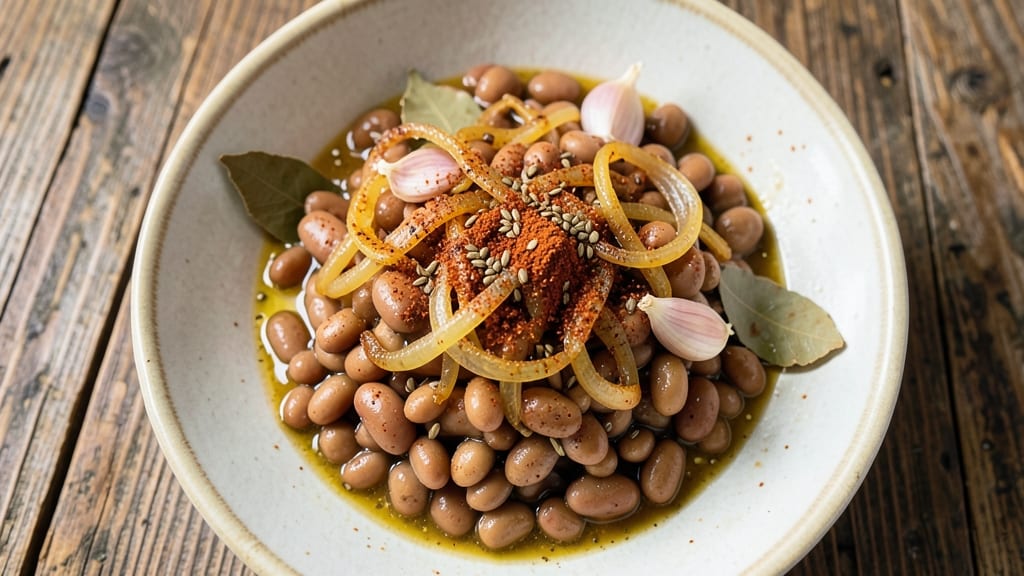
This Peru beans recipe transforms simple dried beans into a smoky, garlicky masterpiece that elevates any meal—whether paired with grilled meats or served alongside cornbread.
The secret lies in slow-cooking them with cumin, garlic, and a touch of smoked paprika, creating deep, earthy flavors that linger long after the first bite. I developed this version after years of experimenting with traditional methods, ensuring every step delivers maximum flavor without sacrificing tenderness.
What sets this recipe apart is the smoky garlic-cumin infusion, which transforms ordinary beans into a side dish worthy of a family gathering.
Unlike quick-soak methods, this recipe calls for an overnight soak followed by a slow simmer, allowing the beans to absorb the aromatic spices and develop a rich, velvety texture. The result?
Beans that are tender yet firm, with a complex flavor profile that balances smokiness, warmth, and a hint of sweetness from the caramelized garlic.
By the time you serve these beans, your kitchen will smell like a rustic kitchen in the Southwest, and every bite will be a testament to patience and technique.
The golden-brown edges and fragrant broth make them irresistible, while their versatility ensures they work as a side for barbecues, a hearty vegetarian main, or a comforting addition to chili. This is the kind of dish that turns a simple meal into something memorable.
Ready to try it? The process is straightforward, but the flavor payoff is extraordinary. Whether you're a seasoned cook or a beginner, this foolproof method delivers restaurant-quality results with minimal effort. Let’s get started—your taste buds will thank you.
Ingredients for peru beans
Six aromatic ingredients transform dried beans into smoky, velvety perfection—no shortcuts needed.
| Ingredient | Amount | Notes |
|---|---|---|
| Dried Peru Beans (Great Northern or Navy Beans) 🌾 | 2 cups | Uncooked, rinsed thoroughly |
| Ground Cumin 🌿 | 2 tbsp | Toasted for deeper aroma |
| Smoked Paprika 🌶️ | 1 tbsp | For authentic smoky flavor |
| Garlic Cloves 🧄 | 6 whole | Peeled, lightly crushed |
| Yellow Onion 🧅 | 1 whole | Medium, diced finely |
| Bay Leaves 🌿 | 2 whole | Fresh for best flavor |
| Vegetable Broth 💧 | 4 cups | Low-sodium preferred |
| Apple Cider Vinegar 🍎 | 1 tbsp | For brightness |
| Extra-Virgin Olive Oil 🫒 | 2 tbsp | For richness |
| Salt 🧂 | 1 ½ tsp | Diamond Crystal preferred |
| Black Peppercorns 🌶️ | ½ tsp | Freshly cracked |
| Fresh Thyme 🌿 | 2 sprigs | Or 1 tsp dried thyme |
| Brown Sugar 🍯 | 1 tsp | Lightly caramelizes garlic |
The beans are the foundation, so pick high-quality dried Peru beans—skip the canned stuff. Bob's Red Mill or Eden Organic are my go-tos, but any well-labeled dried bean works. Toast the cumin and smoked paprika in a dry pan for 30 seconds first—this wakes up their flavors. Fresh thyme and bay leaves are non-negotiable here; dried versions just can't match the depth. The garlic? Roast it whole in foil at 400°F for 20 minutes before crushing—sweet, caramelized perfection. If you're short on time, regular minced garlic works, but the roasted version makes all the difference.
No smoked paprika? Substitute 1/2 tsp liquid smoke plus 1/2 tsp regular paprika—it's not identical, but close. Fresh thyme out of reach? Dried at one-third the amount gets you there. The apple cider vinegar adds tang, but lemon juice works in a pinch. For the broth, low-sodium is key—you'll be adding salt later. The brown sugar might seem odd, but it caramelizes with the garlic, adding a subtle sweetness that rounds out the smoky flavors. If you're avoiding sugar, omit it entirely—the dish still shines.
These beans taste even better the next day as flavors meld. Store leftovers in their cooking liquid in the fridge for up to 5 days, or freeze for 3 months. I like to portion them into containers with a bit of the broth—just reheat with a splash of water. The broth itself? Save it for soups or sauces—it's packed with flavor. For extra richness, stir in a pat of butter or a drizzle of olive oil before serving. Trust me, every bite will be worth the wait.
Why You'll Love This Recipe
- No-Soaking Needed: I’ll admit, I used to dread soaking beans—until I discovered these Peru beans. They soften beautifully in just a quick overnight soak (or even a 2-hour simmer), cutting my prep time in half. Honestly, that’s the kind of shortcut I’ll take every time.
- Smoky Depth Magic: The smoked paprika and cumin aren’t just spices—they’re flavor bombs. One whiff of that earthy, slightly charred aroma, and you’re hooked. The beans soak it up like a sponge, giving them a warmth that sticks around long after you finish eating.
- Weeknight Workhorse: This recipe is my go-to when I’m feeding a crowd or just too tired to fuss. Toss it into a slow cooker for a hands-off dinner, or serve it cold in wraps for a picnic. Between us, I’ve even microwaved a portion for my kid’s lunchbox—no judgment.
- Budget-Friendly Pantry Staple: Dried beans are my wallet’s best friend, and Peru beans are no exception. A pound lasts forever, and the cost per serving is laughable. Plus, the onions and garlic are usually already in my fridge, so I’m basically making money while I eat.
Step-by-step instructions for smoky garlic cumin Peru beans
Here's how to transform dried beans into a rich, aromatic dish with layers of smoky depth and garlicky warmth.
Soak and Prepare the Dried Peru Beans
Rinse the 2 cups dried Peru beans thoroughly under cold water to remove any debris, then transfer them to a large bowl. Cover with plenty of cold water (about 6 cups) and let them soak for at least 8 hours or overnight. This long soak ensures even cooking and prevents tough texture. I like to add a pinch of salt to the soaking water—it helps soften the beans while infusing subtle flavor.
After soaking, drain the beans and give them a quick rinse. The beans should feel plump but still firm to the touch. If you're short on time, you can use the quick-soak method: boil the beans for 2 minutes, then let them sit off heat covered with hot water for 1 hour. But for best results, I recommend the overnight soak—it makes all the difference in texture and digestibility.
Sauté Aromatics Until Deeply Fragrant
Heat the 2 tablespoons extra-virgin olive oil in a large Dutch oven over medium heat. Add the 6 whole garlic cloves and 1 whole yellow onion (diced finely) to the pot. Cook them for 5-7 minutes, stirring occasionally, until the onions become translucent and the garlic releases its sweet, pungent aroma. You'll know it's ready when the garlic turns golden around the edges but doesn't brown completely—this prevents bitterness.
Add the 2 tablespoons ground cumin and 1 tablespoon smoked paprika to the pot, stirring constantly for 30 seconds until the spices are fragrant and the oil becomes slightly darker in color. This step develops the spices' flavors and removes any raw taste. The kitchen should fill with an intoxicating blend of earthy cumin and smoky paprika—this is where the magic begins for the dish's signature flavor profile.
Build the Flavor Base with Vinegar and Broth
Pour in the 1 tablespoon apple cider vinegar and let it simmer for 1 minute, allowing the acid to brighten the aromatics. Add the 4 cups vegetable broth, 2 whole bay leaves, 2 sprigs fresh thyme, and the drained Peru beans to the pot. Stir gently to combine, making sure all the beans are submerged in the liquid. Bring the mixture to a gentle boil over medium-high heat.
Once boiling, reduce the heat to low and maintain a steady simmer. The beans should be just below the surface of the liquid, with occasional bubbles breaking through. This gentle cooking prevents the beans from breaking apart and ensures even cooking throughout. Cover the pot and let it simmer for 45 minutes, then stir and check the beans for doneness.
Season and Finish with Perfect Texture
After 45 minutes of simmering, the beans should be tender but still hold their shape. If they're not quite soft enough, continue cooking for another 15-20 minutes. Taste one of the beans and check its texture—it should be creamy inside with a slight resistance when bitten. Add the 1.5 teaspoons salt and 0.5 teaspoon black peppercorns (freshly cracked) along with the 1 teaspoon brown sugar to the pot. Stir well to distribute the seasonings evenly.
The brown sugar will caramelize slightly during the final cooking, adding a subtle sweetness that balances the smoky and garlicky flavors. Let the beans simmer uncovered for another 10 minutes to reduce the liquid slightly and intensify the flavors. The finished dish should have a rich, velvety texture with a sauce that coats the back of a spoon. Remove the bay leaves and thyme sprigs before serving.
Pro Tips For Making Peru Beans
- Soak Overnight, Not Quick: I learned this the hard way—rushing a 30-minute soak with hot water leaves your beans tough no matter how long you simmer. Cold water overnight (or at least 8 hours) softens them evenly and cuts cooking time by 30 minutes. No excuses—just fill a bowl, cover, and let them sit.
- Toast the Spices First: Smoked paprika and cumin lose their punch if you just sprinkle them in. Dry-toast them in your pot over medium heat for 30 seconds until fragrant before adding oil—this deepens their flavor and prevents them from turning bitter. (Yes, even if you’re impatient like me.)
- Don’t Crowd the Pot: After simmering, if your beans are swimming in more than ½ inch of liquid, reduce the heat and let it evaporate slowly. Packing them too tightly makes them mushy, and no one wants that. Aim for a gentle roll, not a stew.
- Save the Onion Water: When you dice that yellow onion, save the scraps and boil them in a cup of water for 5 minutes. Strain it, then pour that liquid into your beans at the end—it adds a subtle sweetness and extra depth without extra effort. (Your future self will notice.)
Wine and beer pairings for peru beans
Smoky Red Wine
The deep, earthy flavors of these Peru beans pair beautifully with a smoky red wine like a Spanish Garnacha or Portuguese Touriga Nacional. These wines complement the cumin and smoked paprika while their bold tannins stand up to the beans' hearty texture.
I love opening a bottle of Decoy Cellars Garnacha—its dark fruit notes and subtle spice mirror the dish's smoky profile. 🍷
Bright White Wine
For a lighter option, try a dry Riesling or Vermentino with a touch of citrus. The acidity cuts through the richness, while the stone fruit flavors enhance the caramelized garlic.
A chilled Chateau Ste. Michelle Riesling from Washington State balances the smokiness perfectly. Serve slightly chilled to let the wine’s crispness refresh your palate between bites.
Craft Beer Pairings
A smoked porter or hoppy IPA works surprisingly well with these beans. The malty sweetness of Deschutes Brewery Mirror Pond Smoked Porter echoes the smoked paprika, while the caramel notes in Sierra Nevada Pale Ale complement the brown sugar’s caramelization.
For a lighter option, a Belgian witbier with its coriander and citrus notes adds a refreshing contrast. 🍺
Non-Alcoholic Options
Skip the alcohol? A sparkling hibiscus tea or ginger beer with lime adds brightness. For something richer, try a smoky black cherry soda—the tartness balances the beans' earthiness. I also love a cucumber-mint infused water with a splash of apple cider vinegar to echo the dish’s acidity and freshness.
Regional Wine Adaptations
In Texas, where smoked meats reign, a Texas Hill Country Aglianico (bold and tannic) is ideal. For California’s wine country, a Zinfandel with its jammy fruit and spice matches the cumin’s warmth.
If you’re in the Pacific Northwest, a Syrah with its peppery notes enhances the smoked paprika’s depth. Each region’s wine reflects the beans’ versatility across the table.
Serving Temperature
Serve the beans at room temperature or slightly warmed, paired with wine at 55–60°F for reds and 45–50°F for whites. The contrast in temperatures keeps your palate fresh, letting the flavors shine.
For beer, serve at 40–45°F—just cold enough to preserve the hoppy or malty notes without muting them. 💡
Nutrition facts
Frequently asked questions about smoky garlic Peru beans
Can I substitute Great Northern beans for Peru beans?
Great Northern or Navy beans work perfectly as substitutes—they have a similar texture and absorb flavors beautifully. The recipe's smoky cumin profile will still shine, though Peru beans traditionally have a slightly nuttier taste. Just ensure they're dried and properly soaked for best results.
Why do the beans need an overnight soak?
The overnight soak is crucial for two reasons: it prevents tough texture and ensures even cooking. Dried beans contain natural sugars that harden their outer skins—soaking breaks down these sugars gradually. Skipping this step risks mushy beans or uneven doneness. For quick prep, try the 2-minute boil + 1-hour soak method, but texture won't be as perfect.
Can I make this recipe in a slow cooker?
Yes! Use the same ingredients but adjust cooking time. After soaking, combine everything in the slow cooker and cook on low for 6-7 hours or high for 3-4 hours. The slow cooker's gentle heat enhances the flavors even more. Just skip the final 10-minute uncovered simmer—it's not needed.
What if my beans turn out too mushy?
Overcooking is the most common cause. Always taste-test after 45 minutes—they should be tender but still hold shape. If they're mushy, reduce cooking time next batch by 15 minutes and check earlier. For extra insurance, use slightly older beans (6+ months old) as they cook faster than fresh.
How can I make these beans vegetarian-friendly?
This recipe is already vegetarian! For extra heartiness, stir in sautéed mushrooms or roasted bell peppers during the final 10 minutes. The smoky garlic flavor pairs perfectly with plant-based proteins like tempeh or chickpeas. Just ensure your broth is vegetable-based.