
Sauces & Condiments
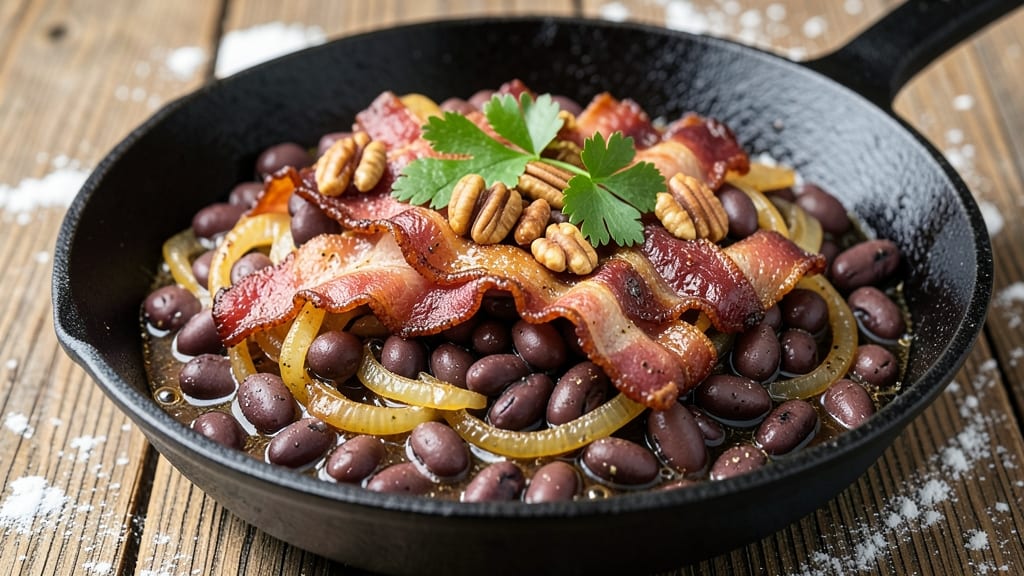
This St James baked beans recipe brings the rich, smoky comfort of British pubs to your kitchen—slow-cooked until tender with layers of bacon, tomato, and just the right amount of sweetness.
The secret lies in simmering navy beans with a deep, savory sauce until they practically melt in your mouth, while crispy bacon adds a salty crunch that cuts through the richness.
I first made these after a particularly chilly Boston winter when my family needed something hearty enough to warm us all the way through.
What sets this recipe apart is the balance of flavors—sweet tomato paste, smoky bacon, and a touch of molasses create a sauce that’s both complex and comforting. Unlike store-bought versions, this method lets the beans soak up the flavors slowly, resulting in a dish that’s restaurant-quality without the fuss.
The slow cook ensures tender beans every time, while the bacon adds a depth that elevates it from side dish to star.
By the time it’s done, you’ll have deeply flavorful baked beans with a glossy, caramelized sauce and crispy bacon bits on top—perfect for serving alongside grilled sausages, corned beef, or even as a filling for sliders.
The aroma alone will have everyone gathered at the table, and the taste? Worth every minute of the slow cook. Here’s how to make it.
This recipe works equally well for a classic British Sunday roast or a casual weeknight dinner, and the leftovers reheat beautifully. The key is patience—letting the beans simmer until they’re tender but still hold their shape, while the sauce thickens into a rich, velvety finish.
Trust me, once you try this version, store-bought baked beans won’t stand a chance.
Ingredients for st james baked beans
Sixteen ingredients for a dish that tastes like a British pub’s secret weapon.
| Ingredient | Amount | Notes |
|---|---|---|
| Navy Beans (Dried) 🌱 | 1 ½ lbs | Soaked overnight or quick-soaked |
| Thick-Cut Bacon 🥓 | 12 oz | Smoked or regular, chopped |
| Tomato Paste 🍅 | ½ cup | High-quality, no additives |
| Molasses 🍯 | ¼ cup | Unsulphured preferred |
| Brown Sugar 🍚 | ½ cup | Light or dark, packed |
| Yellow Onion 🧅 | 1 whole | Medium, chopped fine |
| Garlic Cloves 🧄 | 4 cloves | Peeled, minced |
| Beef Broth 💧 | 2 cups | Low-sodium preferred |
| Apple Cider Vinegar 🍎 | 2 tbsp | For tangy balance |
| Dried Thyme 🌿 | 1 tsp | Or 1 tbsp fresh |
| Ground Black Pepper 🌶️ | ½ tsp | Freshly cracked |
| Kosher Salt 🧂 | 1 ½ tsp | Adjust to taste |
| Mustard Powder 🌶️ | 1 tsp | Dry, for depth |
| Bay Leaf 🌿 | 2 whole | Removed before serving |
| Honey 🍯 | 1 tbsp | Light, for extra sweetness |
The bacon is non-negotiable here—thick-cut smoked bacon from Costco or Trader Joe's gives the best flavor, but any good-quality bacon works. Chop it into small pieces so it cooks evenly and adds texture. For the beans, navy beans are traditional, but you can swap in pinto or kidney beans if needed. Just make sure they're dried, not canned—soaking them overnight is key for tender results. If you're short on time, quick-soak them in boiling water for 2 hours. The tomato paste? Rao's or Muir Glen are my go-tos—they're smooth and flavorful without being overly sweet.
No molasses? Maple syrup works in a pinch, though it has a different flavor profile. Running low on beef broth? Chicken broth plus a splash of Worcestershire sauce gets you close. The mustard powder is what gives these beans that classic tang—dijon mustard at half the amount can replace it if you're out. For the onion, yellow or red work best, but sweet onions add a nice caramelization. The honey is optional but worth it for that extra depth of sweetness that balances the smokiness. If you're serving this with sausages, add a pinch of smoked paprika to the beans for an even deeper flavor connection.
These beans taste even better the next day—3-4 days in the fridge is perfect, and they freeze beautifully for up to 3 months. I like to make a double batch and freeze half for lazy days. The sauce thickens as it cools, so if it seems too thin while reheating, just simmer uncovered for a few minutes. Store the bacon bits separately if you want to keep them extra crispy—sprinkle them on top just before serving. The bay leaves should be removed before serving, but don't skip them—they infuse the beans with subtle herbal notes that make all the difference.
Why You'll Love This Recipe
- One-Pot Magic: The dried navy beans soak overnight while you sleep—no last-minute fuss. Toss everything into one pot, let it simmer, and walk away. Honestly, the only effort is stirring occasionally, and that’s basically a bonus.
- Smoky-Sweet Perfection: That thick-cut bacon? Crispy edges, salty bite—it’s the star. The molasses and brown sugar caramelize into a glossy, tangy-sweet sauce that clings to every bean like a hug. I’ll be real: the first bite makes me close my eyes.
- Tailgate or Dinner Party: Serve it in a cast-iron skillet straight from the oven for a crowd, or pack it in jars for a picnic. My college friends still joke about the time I brought these to a tailgate and had to hide the last jar from them. (Yes, even on a Tuesday night.)
- Budget-Friendly Leftovers: Dried beans stretch your dollar, and this recipe makes enough to feed four for dinner and lunch the next day. The flavor actually gets better after a day in the fridge—deepens, mellows, becomes better. My wallet and my taste buds thank me every time.
Step-by-step instructions for St James baked beans
Here's how to create restaurant-quality baked beans with deep smoky flavors and perfect sweetness.
Prepare the Navy Beans
First, sort through the 1.5 lbs of dried navy beans and pick out any stones or discolored beans. Rinse them under cold water in a colander. For best texture, I recommend soaking them overnight in plenty of water—this reduces cooking time and improves digestibility. If you're short on time, do a quick soak: cover the beans with water in a pot, bring to a boil for 2 minutes, then let them sit off heat for at least 1 hour.
After soaking, drain and rinse the beans again. This step is crucial—it removes any surface starch that could make your beans gummy. The beans should now be plump and ready for cooking. Keep them in their soaking water if doing the quick method, or add fresh water now if you soaked overnight.
Cook the Bacon and Build the Base
In a large Dutch oven, cook the 12 oz of chopped thick-cut bacon over medium heat until it's crispy and the fat has rendered out—about 8-10 minutes. I like to break the bacon into small pieces as it cooks so it distributes evenly throughout the beans. Once crisp, use a slotted spoon to remove the bacon and set it aside, leaving all that delicious fat in the pot.
To the bacon fat, add the chopped yellow onion and cook for 5 minutes until softened. Stir in the minced garlic cloves and cook for another 30 seconds until fragrant—this prevents the garlic from burning. Add the 0.5 cup of tomato paste and stir well to coat the onions and garlic completely. This creates the flavor foundation for your beans.
Combine All Ingredients for Slow Cooking
Return the cooked bacon to the Dutch oven along with the drained navy beans. Add the 2 cups of beef broth, 2 tbsp of apple cider vinegar, 1.5 tsp of kosher salt, 0.5 tsp of ground black pepper, 1 tsp of mustard powder, 1 tsp of dried thyme, 2 whole bay leaves, 0.25 cup of molasses, 0.5 cup of brown sugar, and 1 tbsp of honey. Stir everything together until the beans are well-coated with the sauce.
The molasses and brown sugar will start to dissolve immediately, creating a rich, sticky base. This is where the deep flavors develop—don't be tempted to stir constantly. Instead, give it one good mix and let it cook undisturbed. The beans should be mostly submerged in the liquid, but that's okay—they'll absorb the sauce as they cook.
Slow Cook Until Tender and Flavorful
Cover the Dutch oven and transfer it to a preheated 325°F oven. Cook for 3 to 3.5 hours until the beans are fork-tender. You'll know they're ready when they easily mash between your fingers with just a little resistance. The sauce should have thickened and darkened to a deep brown color, with the aroma of caramelized sugar filling your kitchen.
About halfway through cooking, give the beans a stir and add a splash of water if they look dry. This prevents them from sticking to the bottom. The slow cooking process is what develops that signature St James flavor—patience here is key. If you peek too early, the beans might not be tender enough, but don't worry if they're not quite done at the 3-hour mark.
Finish and Serve with Crispy Topping
Once the beans are tender, remove the bay leaves and give them one final taste. Adjust the seasoning if needed—you might want to add a bit more salt or a splash of apple cider vinegar for brightness. For the perfect finishing touch, sprinkle the beans with additional chopped bacon and serve immediately.
For an extra special presentation, broil the beans for 2-3 minutes at the end to create a caramelized crust on top. Keep a close eye on them—they can burn quickly. These beans are best served warm with cornbread or crusty bread to soak up all that delicious sauce. The flavors will only improve as they sit, so don't be afraid to make extra!
Pro Tips For Making St James Baked Beans
- CRACK THE BEANS FIRST: Dried navy beans need a good soak—at least 8 hours, but overnight is better. I learned this the hard way when my beans turned to mush; the longer they soak, the faster and more evenly they cook later.
- COOK THE BACON LOW: Thick-cut bacon takes forever to crisp properly. Start it in a cold pan and turn the heat to medium-low—yes, it’s slow, but it renders fat without burning and gives you crispy edges that won’t turn greasy when you add the beans.
- STIR THE TOMATO PASTE: Don’t just dump it in. After adding the tomato paste, stir it into the bacon fat for a full minute—this breaks it down into the sauce and prevents clumpy, bitter pockets. I used to skip this, and the texture always suffered.
- SKIP THE MOLASSES MEASURE: Molasses varies wildly in sweetness. Start with 2 tablespoons, taste the sauce after simmering, then adjust—you can always add more, but you can’t take it out. (Yes, even if you’re impatient like me.)
Serving suggestions for leftovers
Classic Pairings
These baked beans shine alongside traditional British pub favorites. Serve them with thick-cut pork sausages—I love Cumberland sausages—or corned beef for a hearty meal. The smoky bacon in the beans complements the richness of the meat perfectly.
For a complete Sunday roast, add roasted potatoes and buttered carrots. The beans soak up the flavors of whatever you pair them with, making them the ultimate side dish. 🍖
Bread and Cornbread
Crusty sourdough bread or brioche rolls are ideal for mopping up the rich sauce. I keep a basket of warm bread on the table so everyone can grab a piece. For a Southern twist, serve with stone-ground cornbread—its slight sweetness balances the smoky, tangy beans.
If you want to get fancy, try cheddar jalapeño cornbread for a kick. The contrast of textures and flavors makes every bite better. 🥖
Cheese and Toppings
Add a sprinkle of sharp cheddar cheese or crumbled feta while serving for extra richness. I also love a dollop of sour cream or crème fraîche on top for creaminess. For a smoky finish, top with crumbled blue cheese or Gouda.
If you're feeling adventurous, try crispy fried onions or toasted pecans for crunch. These toppings elevate the dish from comfort food to something special. 🧀
Beyond the Plate
Turn these baked beans into a main dish by serving them in buns with sliced sausages for sliders. They also make a fantastic taco or nacho topping—just warm them up and add to your favorite tortillas.
For a breakfast twist, serve with scrambled eggs and hash browns for a hearty morning meal. The versatility of these beans means they can fit into almost any meal of the day. 🌯
Drink Pairings
A cold pale ale or IPA cuts through the richness of the beans beautifully. I love Samuel Smith’s Nut Brown Ale for its malty sweetness. For a non-alcoholic option, sparkling apple cider or ginger beer adds a refreshing contrast.
If you're serving with sausages, a red wine like Chianti works wonders. The acidity in these drinks balances the sweet and smoky flavors of the beans. 🍺
Make-Ahead Magic
These beans taste even better the next day, so make a double batch and store leftovers in an airtight container in the fridge for up to 4 days. Reheat gently on the stove with a splash of water to restore moisture.
For freezer-friendly prep, portion into ziplock bags and freeze for up to 3 months. Thaw overnight in the fridge before reheating. The flavors deepen over time, making them perfect for lazy weeknight dinners. ❄️
Nutrition facts
Frequently asked questions
Can I use canned beans instead of dried?
You can, but the texture and flavor won't be the same. Canned beans are pre-cooked and won't absorb the sauce as deeply, resulting in a less rich, more watery dish. If you must use them, drain and rinse well, then simmer with the sauce for at least 30 minutes to let flavors meld. For best results, stick with dried navy beans—they're worth the extra effort!
How do I make these beans vegetarian?
Swap the bacon for smoked paprika (1 tsp) and use vegetable broth instead of beef. Add mushrooms or tempeh for umami depth, and consider a splash of soy sauce for extra savoriness. The molasses and brown sugar will still give that classic sweetness, but the smoky element comes from the spices.
Why do my beans turn out mushy?
This usually happens from overcooking or not soaking the beans properly. Always soak dried beans overnight (or quick-soak for 2 hours) to soften them first. Cook at 325°F—higher heat can cause them to break down too fast. Check doneness by mashing a bean between your fingers; it should be tender but still hold shape. If they're mushy, next time reduce cooking time by 20-30 minutes.
Can I make this in a slow cooker?
Follow the same steps, but after combining all ingredients, transfer everything to a 6-quart slow cooker on low for 6-7 hours or high for 4-5 hours. The slow cooker's gentle heat will give you perfectly tender beans with minimal effort. Just stir occasionally and add water if needed to prevent sticking. The sauce will thicken beautifully during the long cook.
What's the best way to store leftovers?
Store in an airtight container in the fridge for up to 4 days. For longer storage, freeze in portions for 3 months. Reheat gently on the stove with a splash of water or broth to restore moisture. The flavors actually improve overnight, making them perfect for quick meals. Pro tip: Keep the bacon bits separate if you want to add them fresh when reheating.