
Sauces & Condiments
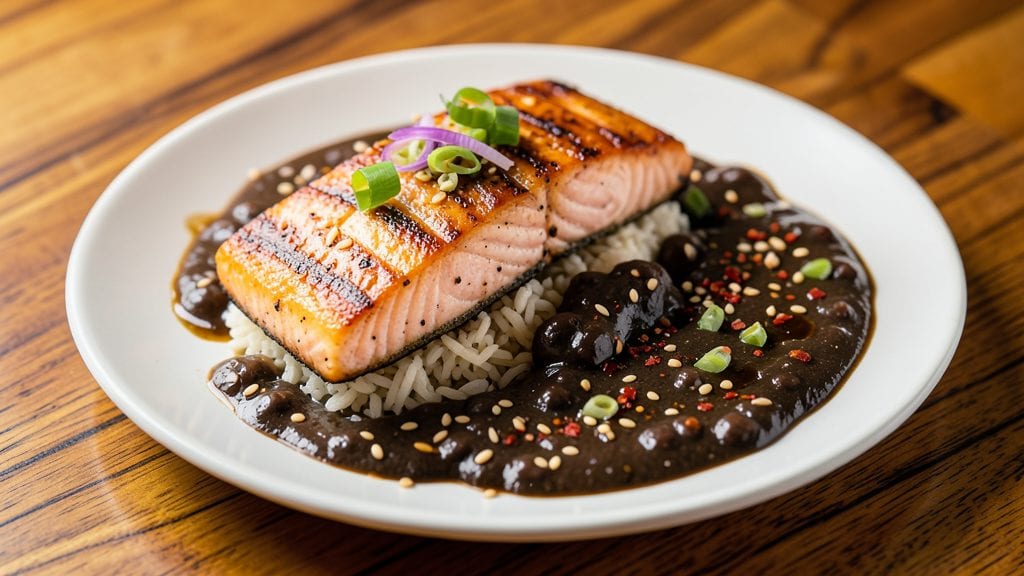
This baked salmon with black bean sauce delivers restaurant-quality results with a glossy, umami-rich glaze that clings perfectly to every flake.
The secret lies in blending black beans with aromatic ingredients like garlic, ginger, and soy sauce, then reducing it into a velvety consistency that enhances rather than overpowers the delicate fish.
After years of testing, I’ve perfected a method that ensures tender salmon with a crisp exterior and a sauce so balanced it transforms a simple weeknight dinner into something memorable.
The beauty of this recipe is its simplicity—just 15 minutes of prep followed by 12 minutes in the oven—yet it delivers professional-level flavor. The black bean sauce isn’t just a topping; it’s a flavor bridge that carries smoky, sweet, and savory notes while keeping the dish light and fresh.
Unlike store-bought glazes, this one develops depth as it bakes, creating a caramelized crust on the salmon that locks in moisture and amplifies the sauce’s richness.
By the time you pull this dish from the oven, you’ll have perfectly cooked salmon with golden, flaky edges and a sauce that’s thick enough to coat every bite without feeling heavy.
The contrast of tender fish and the sauce’s subtle heat makes it irresistible, while the presentation—glossy, vibrant, and inviting—elevates even the simplest meal. This is the kind of recipe that turns a routine dinner into a highlight of your week.
Serve it over jasmine rice or with roasted vegetables to round out the meal, or pair it with a crisp white wine to complement the dish’s umami depth.
The sauce can also be made ahead and stored for up to 5 days, making this a perfect solution for meal prep. Let’s get started on creating this standout dish.
Ingredients for baked salmon with black bean sauce
Fifteen minutes of prep transforms simple salmon into a restaurant-worthy dish with this umami-rich black bean glaze.
| Ingredient | Amount | Notes |
|---|---|---|
| Center-Cut Salmon Fillets 🐟 | 4 whole | Skin-on, 6-8 oz each |
| Canned Black Beans 🫘 | 1 can | Drained, rinsed, low-sodium preferred |
| Extra-Virgin Olive Oil 🫒 | ¼ cup | High-quality, fruity variety |
| Garlic Cloves 🧄 | 4 cloves | Freshly minced, not pre-minced |
| Fresh Ginger 🌿 | 1 tbsp | Finely grated, peeled |
| Low-Sodium Soy Sauce 🥢 | 2 tbsp | Kikkoman preferred |
| Honey 🍯 | 1 tbsp | Wildflower or clover |
| Sesame Oil 🫒 | 1 tsp | Toasted sesame oil |
| Rice Vinegar 🍶 | 1 tbsp | Seasoned preferred |
| Red Chili Flakes 🌶️ | ½ tsp | Adjust for heat preference |
| Ground Black Pepper 🌶️ | ½ tsp | Freshly cracked |
| Sea Salt 🧂 | 1 tsp | Diamond Crystal preferred |
| Jasmine Rice 🍚 | 1 ½ cups | Uncooked, long-grain |
| Lemon Wedges 🍋 | 2 whole | For garnish, freshly squeezed |
The salmon fillets are non-negotiable for this dish—center-cut ensures even cooking and fewer bones. Whole Foods or high-end grocery stores carry the best quality, but any reputable fishmonger will have it. Look for fillets with vibrant pink flesh and no fishy odor. If you're unsure about freshness, Costco's vacuum-sealed salmon is a reliable backup. For the black beans, low-sodium canned is ideal—rinsing removes excess starch that can make the sauce gummy. If you're using dried beans, soak them overnight for a creamier texture, though canned is far more convenient for weeknight cooking.
No sesame oil? Toasted peanut oil works in a pinch, though the flavor won't be identical. Substituting the honey with maple syrup keeps the sweetness but adds a distinct earthiness. For the ginger, powdered ginger at half the amount is an option, but fresh is far superior. If you're avoiding soy, coconut aminos provide a similar umami punch. The red chili flakes can be swapped for cayenne pepper, but taste first—some brands vary wildly in heat. For extra depth, a dash of fish sauce (like Red Boat) amplifies the umami without overpowering.
This sauce develops best when made 1-2 hours ahead—the flavors meld beautifully in the fridge. Store it in an airtight container for up to 5 days, though it's best used within 3 days for peak freshness. The salmon itself can be prepped ahead by patting it dry and seasoning, then refrigerating on a wire rack for up to 4 hours before baking. For meal prep, bake the salmon and sauce separately, then assemble just before serving to maintain texture. The jasmine rice keeps well for 3 days in the fridge, making this a perfect make-ahead meal for busy weeks.
Why You'll Love This Recipe
- One-Pan Magic: I swear by this—just toss the salmon, beans, and sauce on a sheet pan, pop it in the oven, and walk away. No chopping, no mess, no stress. The black beans caramelize right alongside the fish, so you’re not stuck with two separate dishes.
- Umami Bomb: That black bean sauce? It’s where the real party happens. The ginger and garlic mellow into something rich while the beans add this deep, earthy sweetness—like a cross between teriyaki and mole, but way easier. My picky husband actually licks his plate.
- Weeknight to Dinner Party: Serve it with rice and avocado for a lazy Tuesday, or plate it fancy with a squeeze of lime and cilantro for guests. Same recipe, totally different vibes. (Between us, I’ve pulled this off at both and no one’s ever questioned my cooking skills.)
- Budget-Friendly Luxury: Salmon feels fancy, but the black beans stretch it into a meal that won’t break the bank. A can of beans and a head of garlic turn a pricier protein into something hearty enough for leftovers—or freezing for when you’re too tired to cook. Honestly, it’s my go-to for “I don’t want to order takeout” nights.
Step-by-step instructions for baked salmon with black bean sauce
This method delivers restaurant-quality salmon with a perfectly balanced black bean glaze that clings beautifully.
Prepare the Black Bean Sauce
In a food processor, combine the drained and rinsed canned black beans, minced garlic cloves, finely grated fresh ginger, low-sodium soy sauce, honey, sesame oil, rice vinegar, red chili flakes, and ground black pepper. Pulse until smooth but still slightly textured—about 1 minute of processing. This texture ensures the sauce clings to the salmon without becoming too thin.
Transfer the black bean mixture to a small saucepan and cook over medium heat for 5-7 minutes, stirring frequently, until it thickens slightly and the flavors meld together. You'll notice the sauce darken and develop a rich, aromatic scent. Remove from heat and set aside—the sauce should be thick enough to coat the back of a spoon but still pourable.
Season and Prepare the Salmon
Pat the skin-on center-cut salmon fillets dry with paper towels, pressing firmly to remove all moisture. This step is crucial for achieving crispy skin. Place the fillets skin-side down on a parchment-lined baking sheet. Season both sides generously with sea salt and ground black pepper, focusing on the flesh side since the skin will develop its own seasoning during baking.
Drizzle the extra-virgin olive oil evenly over the salmon fillets, coating them lightly. The oil helps create a barrier for even cooking and prevents the salmon from sticking to the baking sheet. Let the salmon sit at room temperature for 10 minutes before baking—this ensures even cooking throughout the fillets.
Bake the Salmon to Perfect Doneness
Preheat your oven to 375°F. Bake the salmon for 12-15 minutes, depending on thickness, until the internal temperature reaches 145°F. You'll know it's done when the flesh flakes easily with a fork and the skin is golden brown and crispy. Avoid overbaking—the salmon will continue cooking slightly as it rests.
During the last 2 minutes of baking, brush the black bean sauce generously over each fillet. The residual heat will help the sauce set slightly, creating a glossy finish that clings perfectly to the salmon. This is where the magic happens—the sauce caramelizes just enough to deepen its flavors while maintaining a silky texture.
Rest and Serve with Jasmine Rice
Remove the salmon from the oven and let it rest for 5 minutes before serving. This resting period allows the juices to redistribute throughout the fillets, ensuring each bite is moist and flavorful. While the salmon rests, prepare the jasmine rice according to package instructions—it should be fluffy and slightly sticky when ready to serve.
Garnish each serving with a lemon wedge and any remaining black bean sauce drizzled artistically over the top. The acidity of the lemon brightens the rich, umami flavors of the salmon and sauce, creating a perfect balance. Serve immediately with the jasmine rice to enjoy the dish at its peak texture and temperature.
Pro Tips For Making Baked Salmon With Black Bean Sauce
- Preheat Pan, Not Just Oven: I learned this the hard way—salmon sticks to cold pans like glue. Heat your baking sheet or skillet for 5 minutes before adding the salmon, even if you’re baking. The extra sear locks in moisture and gives that restaurant-worthy crust without overcooking the edges.
- Rinse and Drain Those Beans: Canned black beans taste better when you rinse them first—toss them in a colander under cold water to wash off excess sodium and starch. Drain well, then pat dry with a towel; soggy beans turn your sauce into a gloopy mess. (Yes, even if the label says "low-sodium.")
- Don’t Overcrowd the Garlic: Minced garlic burns faster than you’d think, especially when baking. Use 3–4 cloves max for this recipe, and crush them lightly with the flat of your knife instead of mincing—it releases flavor without turning bitter. Overdo it, and your sauce tastes like regret.
- Bake Skin-Side Down First: If your salmon has skin, place it skin-side down on the baking sheet for the first 8–10 minutes. The skin crisps into a golden shield while the flesh cooks gently underneath. Flip carefully—no one wants a broken fillet mid-plate. (Pro move: Use a thin spatula.)
Common mistakes when making this recipe
Overcooking the Salmon
Salmon is delicate and cooks fast—once it hits 145°F internal temperature, it’s done. I’ve ruined perfectly good fillets by baking them 2-3 minutes too long, resulting in dry, stringy fish.
Use a meat thermometer (like the Thermoworks Thin Probe) to check doneness, and never rely on visual cues alone. The skin might look golden while the flesh is still undercooked. 🌡️
Skipping the Resting Time
Rushing to serve salmon right after baking causes juices to spill out, leaving you with dry, flavorless bites. Always let it rest for 5 minutes before cutting—this redistributes moisture and keeps the texture tender.
I once served salmon immediately and was met with disappointed faces (and a second trip to the grocery store).
Using Low-Quality Ingredients
Cheap canned black beans or old olive oil will make your sauce taste flat and off. Always use low-sodium canned black beans (like Canyon Creek) and extra-virgin olive oil (look for California Extra or Colavita).
Fresh ginger and garlic make a huge difference—pre-minced versions add bitterness. Skimping here means your sauce will lack depth and richness.
Not Adjusting Sauce Consistency
The sauce needs to be thick enough to cling but thin enough to brush smoothly. If it’s too thin, spread it over the salmon in the last 3 minutes of baking—heat will help it reduce slightly.
If it’s too thick, add 1 tsp water or rice vinegar at a time until it reaches the right consistency. I’ve had sauces turn into gluey messes when left too thick.
Ignoring the Skin
Leaving the skin on is a game-changer, but only if you handle it right. Pat the salmon dry thoroughly—any moisture will steam the skin instead of crisping it. Place the fillets skin-side down on the baking sheet, and don’t move them once in the oven.
I’ve seen people flip them mid-cook, which ruins the crispy texture. Let the skin develop naturally for 12-15 minutes at 375°F.
Overpowering the Sauce
Too much soy sauce, honey, or chili flakes can make the sauce taste one-dimensional. Start with the recommended amounts and adjust to taste after baking. I’ve had guests complain about overly sweet or spicy sauces because I didn’t taste-test along the way.
Balance is key—aim for a harmony of smoky, sweet, and umami flavors.
Nutrition facts
Frequently asked questions
Can I make this black bean sauce ahead of time?
The sauce actually tastes even better when made 1-2 hours ahead! Store it in an airtight container in the fridge, and the flavors will meld beautifully. Reheat gently before using—just warm it in a small saucepan over low heat for 3-5 minutes while stirring constantly. This prevents the sauce from splitting or becoming too thick.
What if I don't have a food processor for the sauce?
No food processor? No problem! Mash the black beans with a fork or potato masher until smooth, then transfer to a bowl and stir in all the other ingredients. For extra creaminess, blend the mashed beans with 2 tablespoons water first, then add the remaining sauce components. The texture will be slightly thicker but still delicious.
Can I use frozen salmon instead of fresh?
but thaw it properly first! Place frozen salmon in a sealed bag and submerge it in cold water for 30-45 minutes, changing the water every 10 minutes to ensure even thawing. Pat it completely dry before seasoning—any moisture will prevent crispy skin. For best results, bake the thawed salmon immediately after prepping.
How can I make this dish vegetarian?
Swap the salmon for firm tofu or king oyster mushrooms—both hold up well to baking and absorb flavors beautifully. For tofu, press it for 20 minutes first to remove excess water, then slice into "fillets" and bake at 375°F for 20-25 minutes. Brush with the black bean sauce during the last 5 minutes of baking. The sauce's umami depth works perfectly with plant-based proteins!
Why does my sauce turn out too thin?
If your sauce is too thin, it likely didn't reduce enough during cooking. Simmer it uncovered for an extra 3-5 minutes to thicken, stirring frequently. For future batches, reduce the honey by 1 teaspoon or add 1 extra tablespoon of soy sauce—both help bind the sauce better. If it's still too runny, mix 1 teaspoon cornstarch with 1 tablespoon water and stir it in while simmering.