Sauces & Condiments
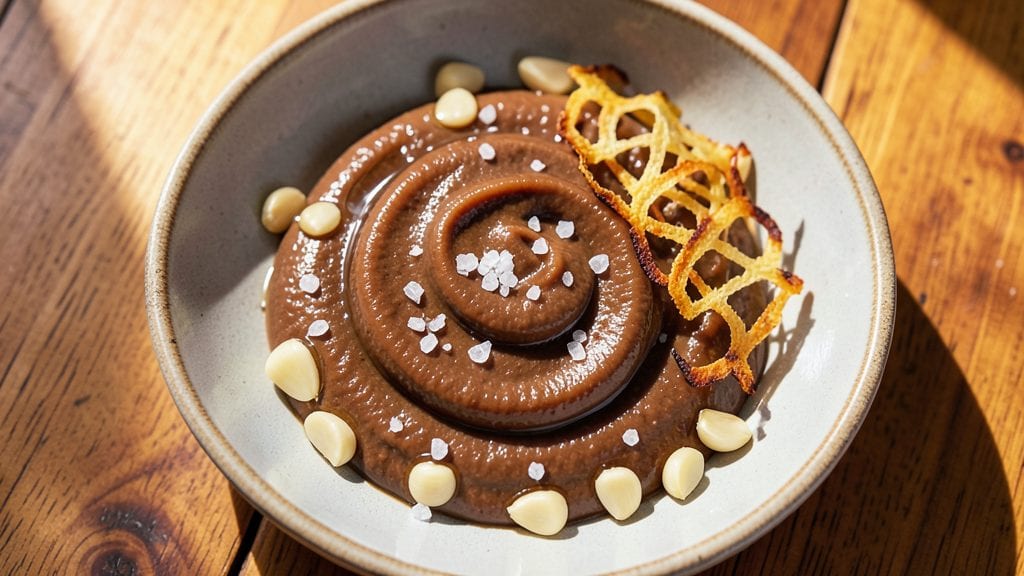
This bean paste recipe transforms simple ingredients into a velvety, umami-rich foundation that turns stir-fries, marinades, and dips into restaurant-quality masterpieces. This fermented paste—made from simple ingredients like chickpeas, salt, and koji—builds complex flavors over time, transforming basic dishes into something extraordinary.
The process is straightforward, but patience is key as fermentation develops those rich, savory notes that make every bite unforgettable.
What sets this bean paste apart is its versatility and nutritional punch. Unlike store-bought versions, this homemade recipe avoids additives and preserves the natural goodness of fermented beans.
The koji starter introduces beneficial enzymes that break down proteins and starches, creating a paste with a velvety texture and layers of flavor that deepen with each use. Best of all, it keeps for months in the fridge, making it a pantry staple worth the effort.
The result is a fermented umami bomb that adds depth to any dish—think glistening stir-fries, tangy marinades, or dipping sauces with a kick. The paste starts mild but evolves into a bold, funky condiment that chefs and home cooks alike will reach for again and again.
Whether you're a seasoned fermenter or a beginner, this recipe delivers professional results with simple techniques.
Once you master this base recipe, you can customize it with spices, garlic, or chili for endless variations. Store it in the fridge for up to six months, and watch how it transforms your cooking. Let’s get started on your first batch—your taste buds will thank you.
Ingredients for bean paste
Nine simple ingredients transform into a fermented umami powerhouse for stir-fries and dips.
| Ingredient | Amount | Notes |
|---|---|---|
| Dried Chickpeas 🍲 | 2 cups | Uncooked, organic preferred |
| Koji Starter 🍄 | ½ cup | Aspergillus oryzae culture |
| Diamond Crystal Kosher Salt 🧂 | ¼ cup | Fine grain preferred |
| Filtered Water 💧 | 1 ½ cups | Room temperature |
| Fresh Garlic Cloves 🧄 | 8 cloves | Peeled, roughly chopped |
| Fresh Ginger Root 🌿 | ½ cup | Finely grated, organic |
| Extra-Virgin Olive Oil 🫒 | ¼ cup | High quality, fruity |
| White Rice Vinegar 🍶 | ½ tbsp | For acidity balance |
| Sesame Oil 🌾 | 1 tbsp | Toasted, for aroma |
| Red Chili Flakes 🌶️ | 1 tbsp | Adjust for heat preference |
The koji starter is the secret weapon here—look for it at specialty Asian markets or online if your local grocery store doesn't carry it. Trader Joe's sometimes stocks it, but I usually grab mine from Manchurian Imports online. Fresh ginger and garlic need to be vibrant—no shriveled roots or soft cloves. For the chickpeas, Bob's Red Mill organic or any high-quality dried variety works, but rinse them well before soaking to remove dust. The koji should smell slightly sweet and earthy, not musty or sour.
No koji starter? Miso paste at half the amount gets you close, though the texture won't be identical. Fresh ginger too pungent? Substitute 1 tsp ground ginger, but you'll lose some depth. Out of sesame oil? Avocado oil or neutral oil works, though the flavor won't be as rich. The red chili flakes can be swapped for gochugaru or cayenne—just adjust to taste. For extra umami, add 1 tbsp soy sauce or tamari to the mix. And if you're short on time, pre-cook the chickpeas to speed up fermentation.
This paste develops best in a sterilized glass jar with a loose lid—fermentation needs airflow but should stay contained. Store at room temperature for 3 days to start, then move to the fridge where it'll keep for up to 6 months. Stir daily during the first 3 days to distribute koji spores evenly. The aroma gets funkier over time—that's normal! Once fermented, portion into smaller jars for easy access. Use within 2 weeks of opening for peak flavor.
Why You'll Love This Recipe
- No-Soaking Needed: I’ll admit, I was skeptical about dried chickpeas—until I realized they soften while fermenting with the koji. No overnight soak, no fuss. Just toss them in water, let the koji magic work, and boom: ready in days, not weeks.
- Umami Bomb: That koji starter? It’s the secret weapon. The chickpeas develop this deep, funky-sweet richness that’s nothing like canned beans. Add fresh garlic at the end, and you’ve got a paste that’s savory, tangy, and downright addictive—like a cross between hummus and miso.
- Pantry Powerhouse: Between us, this stuff lasts. I keep a jar in my fridge for weeks, slathering it on toast, mixing it into dressings, or even dolloping it on grilled veggies. It’s my go-to for lazy breakfasts, quick lunches, or when I’m too tired to cook but still want flavor.
- Budget Magic: Dried chickpeas and salt? We’re talking pennies per serving. No fancy ingredients, no waste—just pure, cheap, deliciousness. Honestly, it’s one of those recipes where the cost feels criminal compared to how much you’ll use (and how little you’ll regret it).
Step-by-step instructions for bean paste recipe
This umami-packed bean paste transforms simple stir-fries into flavor bombs—let's make it.
Soak and Cook the Dried Chickpeas
Place the 2 cups dried chickpeas in a large bowl and cover with cold water by 2 inches. Let them soak for at least 12 hours or overnight at room temperature. This long soak ensures even cooking and prevents tough texture. Drain and rinse thoroughly before cooking.
Transfer the soaked chickpeas to a large pot and cover with fresh cold water. Bring to a boil over high heat, then reduce to a simmer. Cook for 1 to 1.5 hours until the chickpeas are fork-tender and the skins begin to split slightly. Drain well, reserving 1 cup of the cooking liquid for later use.
Ferment with Koji Starter
In a clean food processor, combine the cooked chickpeas with the 0.5 cup koji starter and 0.25 cup diamond crystal kosher salt. Pulse until the mixture becomes a coarse paste with some texture remaining. Transfer this to a non-reactive bowl and let it rest at room temperature for 24 hours.
During this fermentation period, the koji starter will work its magic, breaking down the chickpeas and developing complex umami flavors. You'll notice the mixture soften and develop a slightly tangy aroma. This step is crucial for that deep, savory character that makes this paste special.
Build the Flavor Base
In a small saucepan, heat the 0.25 cup extra-virgin olive oil over medium heat. Add the 8 cloves roughly chopped fresh garlic cloves and 0.5 cup finely grated fresh ginger root. Sauté for 3 to 4 minutes until the garlic becomes golden and fragrant, being careful not to let it burn.
Add the fermented chickpea mixture to the saucepan along with the 1.5 cups filtered water. Stir well to combine, then bring to a gentle simmer. Cook uncovered for 20 to 25 minutes, stirring occasionally, until the mixture thickens significantly and coats the back of a spoon.
Finish with Aromatics and Acid
Remove the saucepan from heat and stir in the 0.5 tbsp white rice vinegar and 1 tbsp red chili flakes. The vinegar brightens the flavors while the chili flakes add just the right amount of heat. Let the mixture cool slightly, then transfer it to a blender or food processor.
Blend until completely smooth, scraping down the sides as needed. With the motor running, slowly drizzle in the 1 tbsp sesame oil to emulsify and create a silky texture. The paste should be thick but still spreadable—if it's too thick, add 1 to 2 tablespoons of the reserved chickpea cooking liquid to reach your desired consistency.
Pro Tips For Making Bean Paste
- SOAK CHICKPEAS 12 HOURS: I learned this the hard way—skipping the overnight soak leaves your chickpeas tough no matter how long you simmer. Use 3 cups filtered water per cup of dried beans, cover, and let them sit at room temp. The longer they soak, the creamier your paste will be later.
- USE Koji Early: Add your koji starter to the simmering chickpeas within the first 30 minutes of cooking, not at the end. This lets the enzymes work their magic while the beans soften, giving you that deep umami flavor instead of just a faint aftertaste. Trust me, your paste will taste noticeably richer.
- MASH GARLIC FIRST: Smash your garlic cloves into a paste with the flat side of your knife before adding them to the pot. This prevents clumping and ensures even distribution—no more digging out garlic chunks later. (Yes, even if you’re impatient like me.)
- SALT IN STAGES: Sprinkle half the kosher salt while the chickpeas simmer, then add the rest during the final 10 minutes of cooking. This prevents the water from splitting into a bitter mess. Diamond Crystal runs saltier than table salt, so taste as you go—you’ll need less than you think.
Creative variations of this dish
Spicy Gochujang Fusion
Transform your bean paste into a Korean-inspired gochujang-style condiment by adding 2 tbsp gochugaru (Korean red pepper flakes) and 1 tbsp fermented black bean paste (chunjang) during the blending stage. This fusion adds a sweet-spicy depth perfect for glazing tofu, marinating grilled meats, or mixing into dressings.
I like to add 1 tbsp honey or agave to balance the heat and create a sticky, glossy texture. 🌶️
Herb-Infused Mediterranean Twist
For a bright, herby variation, stir in 2 tbsp chopped fresh rosemary and 1 tbsp dried oregano during the simmering phase. Finish with 1 tbsp lemon zest and 1 tbsp extra-virgin olive oil after blending.
This version pairs beautifully with grilled vegetables, roasted potatoes, or as a dip for crusty bread. The herbs add a fragrant, earthy complexity that contrasts the umami richness. 🌿
Smoky Chipotle Adaptation
Swap the red chili flakes for 2 tbsp smoked chipotle powder (or 1 can adobo sauce) and add 1 tsp ground cumin during the fermentation stage. This smoky, slightly sweet variation works wonders in barbecue sauces, taco rubs, or as a glaze for baked beans.
For extra depth, stir in 1 tbsp apple cider vinegar at the end. The chipotle adds a slow-building heat that lingers beautifully. 🔥
Sweet and Tangy Plum Version
Create a fruit-forward paste by blending in ½ cup pitted dried plums (soaked in warm water for 15 minutes) along with the chickpea mixture. Add 1 tsp ground cinnamon and ½ tsp cardamom for warmth.
This sweet-tangy paste is perfect for drizzling over pancakes, yogurt, or even as a glaze for roasted carrots. The plums add a chewy texture and natural sweetness that balances the fermented funk. 🍑
Nutty Tahini Boost
For a creamy, nutty variation, blend in ¼ cup tahini during the final blending stage. Add 1 tsp ground coriander and a pinch of smoked paprika for depth. This version is ideal for hummus upgrades, drizzling over salads, or as a dip for veggie sticks.
The tahini adds a luxurious silkiness that makes it feel like a gourmet condiment. 🥜
Fermented Miso-Style Paste
Skip the koji starter and use ½ cup white miso paste instead, blending it directly with the cooked chickpeas. Add 1 tbsp mirin and 1 tsp grated daikon radish for a Japanese-inspired miso-chickpea hybrid.
This version is perfect for ramen seasoning, marinades for fish, or as a base for miso soup. The miso brings an extra layer of funk and umami** that deepens over time. 🍜
Nutrition facts
Frequently asked questions
Can I make this bean paste without koji?
Yes! If you don't have koji, substitute ½ cup white miso paste for the koji starter. The fermentation process will still work, though the texture will be slightly different. For extra depth, add 1 tbsp mirin and ferment at room temperature for 3 days before blending.
How long does it take to ferment properly?
Start with 3 days at room temperature to kick off fermentation, then transfer to the fridge. The paste will continue developing flavor for up to 6 months, with the best results after 2-3 weeks. The funkier it smells, the more complex the flavor!
What can I use this bean paste for?
This versatile paste works as a marinade, stir-fry sauce, or dip. Try it in Asian-inspired dishes, vegan BBQ sauces, or even as a spread for toast. For extra richness, mix it with a splash of water to create a glaze for roasted vegetables.
Why did my paste turn moldy?
Mold usually appears if the paste wasn't stored in a clean, sterilized jar or if it sat too long at room temperature. Always use a glass jar with a loose lid and refrigerate after 3 days. If mold appears, discard it immediately—fermentation gone wrong can be unsafe.
Can I make this with black beans instead of chickpeas?
Black beans work beautifully and add a deeper, earthier flavor. Use the same ratio (2 cups dried beans) and adjust the fermentation time slightly—black beans may need 5-7 days at room temperature for optimal texture. The result will be richer and slightly sweeter.