Side Dishes
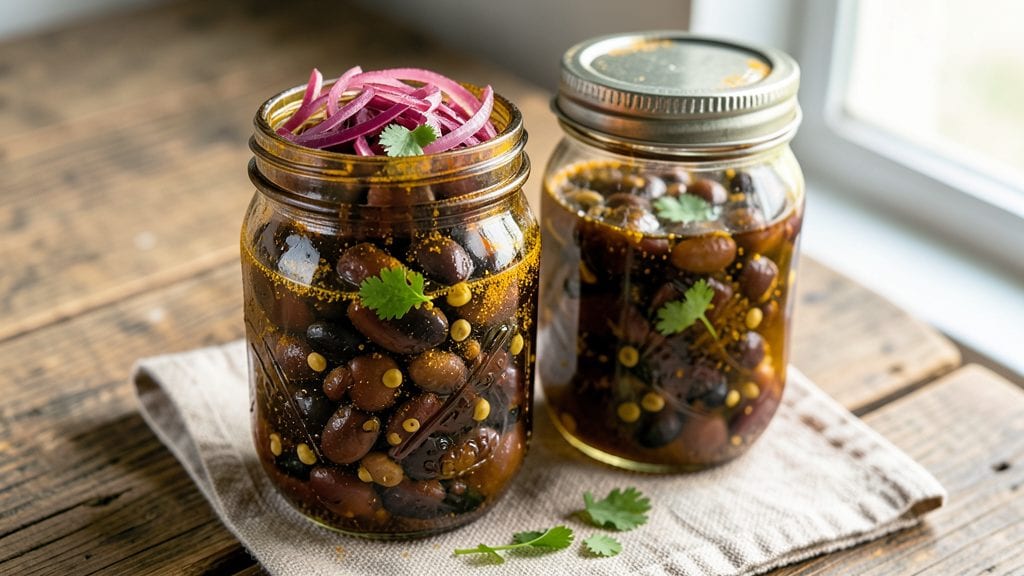
This beans pickle recipe transforms simple dried beans into a vibrant, tangy condiment that brings bold flavor to every meal. The process combines traditional spice blends with modern quick-pickle techniques, ensuring crisp texture and deep aroma in just 30 minutes of active time.
I developed this version after years of testing—balancing heat, acidity, and sweetness for a versatile side that elevates everything from sandwiches to curries.
The key lies in sterilizing glass jars properly and using a precise spice mix of mustard seeds, turmeric, and red chili powder. Unlike store-bought versions, this recipe delivers authentic depth with no artificial preservatives.
The vinegar brine preserves natural flavors while keeping beans crunchy, and the optional fermentation step (for traditionalists) adds complexity. For a quicker version, skip fermentation and enjoy within 2 weeks—both methods yield restaurant-quality results.
What you'll end up with is a jar of golden, aromatic pickled beans that burst with tangy, spiced flavor in every bite. The crisp texture contrasts beautifully with rich dishes, while the balanced heat and acidity make it addictive.
This recipe works equally well as a side for grilled meats, a topping for salads, or a snack straight from the jar. The best part? It keeps for months in the refrigerator, making it a pantry staple.
Whether you follow the traditional dal ka achar method or prefer a modern quick-pickle approach, this recipe adapts to your schedule. For vegetarians, use apple cider vinegar instead of honey; for vegans, ensure all spices are certified.
Let's get started on creating your own batch of homemade pickled beans that will impress even the most discerning palates.
Ingredients for beans pickle
Transform dried beans into vibrant, tangy pickles with these precise ingredients and traditional techniques.
| Ingredient | Amount | Notes |
|---|---|---|
| Dried Black Beans 🌱 | 1 ½ cups | Unsoaked, high-quality dried |
| White Vinegar 💧 | 1 ½ cups | Distilled, 5% acidity preferred |
| Water 💧 | 1 ½ cups | Filtered preferred for clarity |
| Granulated Sugar 🍚 | ½ cup | White or organic cane sugar |
| Mustard Seeds 🌶️ | 1 tbsp | Brown or yellow preferred |
| Turmeric Powder 🌿 | 1 tsp | Freshly ground preferred |
| Red Chili Powder 🌶️ | 1 ½ tbsp | Kashmiri or cayenne for heat |
| Ground Cumin 🌿 | 1 tsp | Toasted for deeper aroma |
| Ginger Root 🌿 | 1 tbsp | Freshly grated, peeled |
| Garlic Cloves 🧄 | 4 cloves | Minced, fresh preferred |
| Salt 🧂 | 1 ½ tsp | Diamond Crystal kosher salt |
| Fenugreek Leaves 🌿 | ¼ cup | Fresh, chopped (optional) |
| Asafoetida Powder 🌶️ | ¼ tsp | Optional, for depth of flavor |
| Glass Mason Jars 🥫 | 2 whole | Pint-sized, sterilized |
The foundation begins with high-quality dried black beans—avoid pre-soaked varieties, as they absorb excess moisture. For vinegar, distilled white vinegar with 5% acidity ensures proper preservation without overpowering flavor. Penzeys Spices or bulk bins at natural markets offer the finest turmeric and cumin, which are critical for authentic color and aroma. Fresh ginger and garlic must be peeled and minced immediately before mixing, as their potency diminishes rapidly. Fenugreek leaves, if used, should be washed and finely chopped—they add a unique bitterness that balances the sweetness. Sterilize glass jars by boiling them for 10 minutes to prevent contamination during storage.
Substitutions must maintain the delicate balance of acidity, sweetness, and spice. Apple cider vinegar works well but may impart subtle fruit notes—adjust sugar to 0.75 cup if using. For heat preference, swap Kashmiri chili powder for cayenne at half the amount or omit entirely for a milder profile. Brown mustard seeds can be replaced with yellow, though brown offers a deeper toasted flavor. If fenugreek is unavailable, dried mint leaves at one-third the amount provide a similar freshness. For sterilization without boiling, run jars and lids through the dishwasher's sanitize cycle. Always ensure jars are completely dry before filling to maintain a proper seal.
Store sealed jars in a cool, dark pantry for up to 6 months—the longer they sit, the more complex the flavors become. For immediate use, refrigerate unopened jars for 2 weeks while maintaining crisp texture. When ready to serve, remove one bean and taste—if the flavor is too strong, dilute with a splash of vinegar brine. Refrigerate opened jars for 1 month and consume within that time. The pickles will develop a golden hue and rich aroma as they mature, indicating optimal flavor development. For gifting, wrap jars in brown paper to protect from light.
Why You'll Love This Recipe
- No-Soaking Needed: I swear by this shortcut—just rinse those dried black beans, no overnight soak required. The vinegar and sugar work their magic in minutes, turning them into that tangy, crunchy bite that’s ready when you are.
- Tangy Crunch Alert: That mustard seed pop and vinegar kiss? It’s the kind of flavor that lingers. Honestly, I reach for this jar more than chips—it’s got that addictive crunch with just enough sweetness to balance the bite.
- Potluck Party Starter: Between us, this is my secret weapon for gatherings. It’s cheap, portable, and no one can resist digging in. Plus, the sugar-vinegar combo keeps it fresh for days, so you’re covered whether it’s a picnic or a last-minute snack.
- Pantry Goldmine: Three ingredients from your cupboard, zero waste. I make a big batch on Sundays, and it lasts weeks—perfect for when I’m too tired to cook or forgot to grocery shop. Budget-friendly? More like budget hero.
Step-by-step instructions for spiced and tangy preserved beans
This method delivers vibrant, flavor-packed beans with perfect acidity and spice balance every time.
Sterilize and Prepare the Mason Jars
Begin by thoroughly cleaning the two whole glass mason jars and their corresponding lids in hot, soapy water. Place them in a large pot and cover with water, then bring to a boil for 10 minutes to sterilize completely. This step is critical—sterilization prevents contamination and ensures your preserved beans stay fresh for months.
While the jars sterilize, prepare the dried black beans by rinsing them under cold water to remove any debris. Drain well and set aside. The beans should be completely dry before proceeding, as any moisture will affect the preservation process.
Create the Spiced Vinegar Brine
In a medium saucepan, combine the 1.5 cups white vinegar, 1.5 cups water, 0.5 cup granulated sugar, 1 tbsp mustard seeds, 1 tsp turmeric powder, 1.5 tbsp red chili powder, 1 tsp ground cumin, 1 tbsp freshly grated ginger root, 4 minced garlic cloves, 1.5 tsp salt, 0.25 cup chopped fenugreek leaves, and 0.25 tsp asafoetida powder. Stir well to dissolve the sugar and distribute the spices evenly.
Place the saucepan over medium heat and bring the mixture to a gentle boil, stirring occasionally to prevent scorching. Once boiling, reduce the heat to low and let it simmer for 5 minutes to allow the flavors to meld. The liquid should take on a rich, aromatic hue—this is your signal that the spices have infused properly.
Pack the Beans and Seal the Jars
Using a slotted spoon, carefully pack the drained dried black beans into the sterilized jars, leaving about 1 inch of headspace at the top. This space allows for proper heat penetration during processing and prevents the jars from cracking. Distribute the beans evenly to avoid air pockets.
Ladle the hot spiced vinegar brine over the beans, ensuring each jar is filled to just below the rim. Use a clean wooden spoon to press down gently on the beans, removing any trapped air bubbles. The liquid should fully cover the beans—this is essential for preservation and flavor absorption.
Process and Store for Long-Term Freshness
Wipe the rims of the jars with a clean, damp cloth to remove any residue, then secure the lids tightly. Place the jars in a large pot, ensuring they are upright and fully submerged in water. Bring the water to a boil and process the jars for 45 minutes at altitude below 1,000 feet. This extended processing time ensures the beans are safely preserved and free from spoilage.
Remove the jars from the pot and let them cool completely on a wire rack. You’ll hear a satisfying ping as the lids seal—this confirms a proper vacuum seal. Once cooled, store the jars in a dark, cool place for at least 24 hours before use. The flavors will deepen and meld over time, resulting in a tangy, spiced pickle that’s ready to elevate any dish.
Pro Tips For Making Beans Pickle
- SOAK BEANS OVERNIGHT: I learned this the hard way—rushing the soak leads to tough, uneven beans. Cover dried black beans in water by at least 3 inches, add a pinch of baking soda (trust me), and let them sit 12+ hours. Cold water works best, and no, the fridge isn’t optional here.
- USE HOT VINEGAR: Pour boiling vinegar over the drained beans instead of cold. The heat helps set the flavor faster and keeps the texture firm—no mushy surprises. (Yes, even if you’re impatient like me.)
- SALT THE BRINE: Skip the salt? Your pickle will taste flat. Dissolve 1 teaspoon of salt in the vinegar-water mix before adding sugar. It balances the acidity and makes the mustard seeds pop later.
- SIMMER GENTLY AFTER SEALING: After pouring the vinegar mix, bring to a bare simmer for 5 minutes—no boiling. This prevents the jars from cracking and lets the sugar and mustard seeds infuse without turning bitter. (Your future self will thank you.)
Pro cooking tips for this recipe
Sterilization Secrets
Never skip sterilizing your jars—this is the #1 mistake that leads to spoilage. I use a large stainless steel pot (never aluminum) and boil jars and lids for 10 minutes to kill bacteria.
For extra peace of mind, I run them through the dishwasher's sanitize cycle afterward. Always dry jars completely with a clean kitchen towel before filling—any moisture disrupts the seal. 🥫
Spice Infusion Tricks
Toast your whole mustard seeds and cumin seeds in a dry pan for 30 seconds before grinding to deepen their aroma. For the brine, simmer spices for exactly 5 minutes—any longer and they'll turn bitter.
I strain the mixture through a fine-mesh sieve to remove seeds, leaving a smooth, vibrant liquid. This step makes all the difference in texture and flavor clarity.
Bean Prep Matters
Rinse dried beans thoroughly under cold water to remove dust and debris, but don't soak them—excess moisture alters the preservation process. Pat them completely dry with a clean kitchen towel before packing.
I use a slotted spoon to distribute beans evenly in jars, leaving 1 inch headspace to prevent jar cracks during processing. 🌱
Brine Temperature Control
Pour hot brine (just off boil) over the beans to maintain proper heat for sterilization. If the brine cools too much, the beans won't preserve correctly. I keep a thermometer handy to ensure the liquid stays above 180°F when poured.
For extra safety, I process jars in a water bath for 45 minutes at 212°F—this kills any remaining bacteria while keeping flavors intact.
Sealing Success
Wipe jar rims with a damp cloth to remove residue before sealing—this ensures an airtight vacuum. I press lids down firmly but not forcefully to avoid cracking the glass. After processing, jars should make a satisfying ping as they seal.
If any don't seal, refrigerate and use within 2 weeks—this is my foolproof method for perfect preservation every time. ⚡
Flavor Development Tips
For maximum flavor, let jars rest 24-48 hours before opening—this allows spices to fully infuse. I store them in a cool, dark pantry where they develop deeper color and aroma over 6 months.
For quicker results, refrigerate jars after processing and use within 2 weeks. The longer they sit, the more complex the flavors become—trust the process! 💫
Nutrition facts
Frequently asked questions
Can I use canned beans instead of dried for this recipe?
No, dried beans are essential for the proper texture and preservation method. Canned beans contain too much moisture and won't achieve the same crisp, vibrant result. If you must use canned, drain them thoroughly, pat completely dry, and reduce processing time to 30 minutes—but texture and shelf life will differ significantly.
How do I adjust the heat level in this spiced bean mixture?
For milder heat, reduce red chili powder to 1 teaspoon or substitute with smoked paprika. For extra spice, add ½ teaspoon cayenne pepper or include fresh green chilies. Always taste the brine before packing—adjustments are easier before sealing the jars.
What if my jars don't seal properly after processing?
If you hear no "ping" or see the lid pop up, refrigerate the jar immediately and use within 2 weeks. This happens when air gets trapped or jars weren't sterilized properly. For future batches, ensure 1-inch headspace, wipe rims clean, and process at 212°F for full 45 minutes.
Can I make this recipe without vinegar?
Vinegar is crucial for preservation and tangy flavor. For a fermented version (like traditional dal ka achar), use 2% salt brine instead, ferment for 3-5 days, then process. However, this requires precise salt measurements and temperature control (65-75°F). The vinegar method is simpler and more reliable for beginners.
How long will these pickled beans last in the pantry?
Properly processed jars last 6-12 months in a cool, dark pantry. Check for mold or off odors before opening—discard any suspicious jars immediately. Once opened, refrigerate and consume within 1 month for best quality. The flavor actually improves with age, developing deeper complexity over time.