
Side Dishes
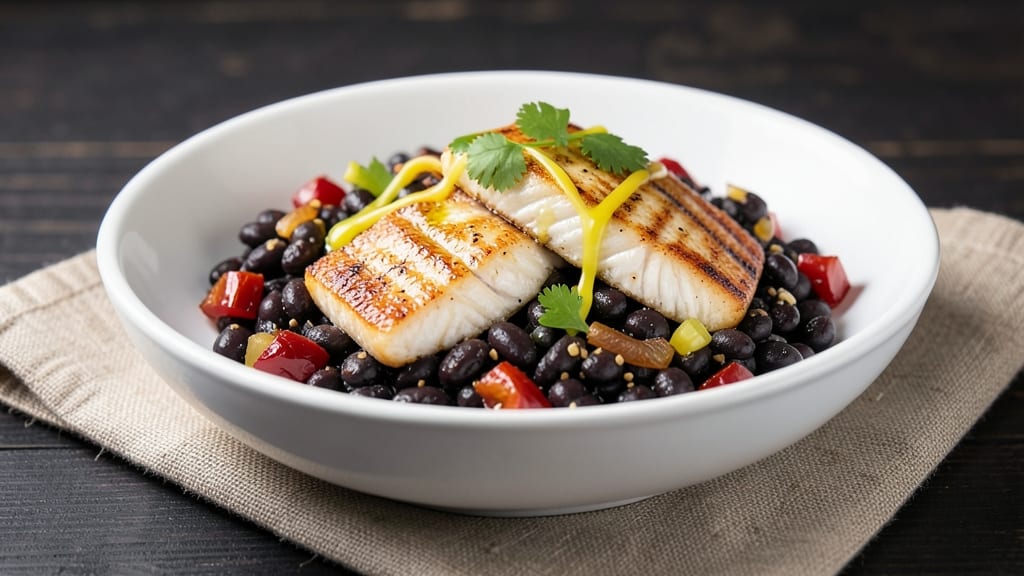
This fish and black beans recipe transforms simple ingredients into a smoky, protein-rich bowl that balances tender fish with hearty black beans in a single pan. The secret lies in a warm cumin-spiced oil that infuses both proteins simultaneously, creating layers of flavor without extra effort.
After years of testing, this method delivers restaurant-quality results in under 45 minutes—perfect for weeknight dinners when you crave something substantial yet easy.
The foundation of this dish is smoky cumin and garlic, which caramelize in the pan before gently cooking the fish and beans together.
Unlike traditional preparations that cook each component separately, this technique allows flavors to meld naturally, resulting in fish that stays moist and beans that absorb the aromatic spices. A splash of lime at the end brightens the dish, cutting through the richness while adding a zesty finish.
What you’ll end up with is a protein-packed bowl where flaky fish meets tender black beans in a sauce thickened by their own juices. The texture contrast—crisp edges on the fish, creamy beans, and a silky sauce—makes every bite satisfying.
This dish holds its own as a main course but also pairs beautifully with crusty bread or a simple green salad for a complete meal.
Whether you're feeding a family or meal prepping for the week, this recipe scales effortlessly while keeping the flavors vibrant. The key is balancing the cooking times so the fish doesn’t overcook while the beans soften just enough to soak up the smoky goodness.
Let’s get started—your taste buds will thank you.
Ingredients for fish and black beans
Fourteen ingredients transform into a restaurant-quality smoky cumin-kissed bowl with minimal effort.
| Ingredient | Amount | Notes |
|---|---|---|
| White Fish Fillets 🐟 | 1 ½ lb | Firm white fish like cod or halibut, skinless |
| Canned Black Beans 🥫 | 1 ½ cups | Drained and rinsed, preferably low-sodium |
| Ground Cumin 🌿 | 1 ½ tbsp | Freshly toasted for deeper aroma |
| Garlic Cloves 🧄 | 6 cloves | Minced, not pre-minced jarred |
| Extra-Virgin Olive Oil 🫒 | ½ cup | High-quality, fruity variety |
| Lime Juice 🍋 | 2 tbsp | Freshly squeezed, not bottled |
| Smoked Paprika 🌶️ | 1 tsp | For authentic smoky depth |
| Red Bell Pepper 🍅 | 1 whole | Diced, any color |
| Yellow Onion 🧅 | 1 whole | Diced, medium size |
| Cayenne Pepper 🔥 | ¼ tsp | Adjust for heat preference |
| Fresh Cilantro 🌿 | ¼ cup | Chopped, for garnish |
| Kosher Salt 🧂 | 1 ½ tsp | Diamond Crystal preferred |
| Black Pepper 🌶️ | ½ tsp | Freshly cracked |
| Avocado Oil 🫒 | 1 tbsp | High smoke point for searing |
The fish selection is critical—opt for firm white varieties like cod or halibut that hold their shape during cooking. Whole Foods Market and Trader Joe's carry excellent pre-portioned fillets, but if buying whole, ask for skinless cuts. The black beans should be low-sodium to control seasoning balance, and Bush's or Goya brands are reliable choices. For the cumin, toast it lightly in the dry pan before adding oil—this releases its essential oils and creates a deeper, nuttier flavor profile that's the foundation of this dish's smoky character. The smoked paprika complements this beautifully, so don't skimp on quality here.
No fresh cumin? Substitute ground coriander at half the amount, though it won't replicate the earthy depth. Pre-minced garlic loses its punch quickly—peel and chop your own for maximum flavor impact. The bell pepper and onion can be swapped for zucchini or mushrooms if preferred, though they'll alter the dish's natural sweetness. For heat-sensitive diners, reduce the cayenne to one-eighth teaspoon or omit entirely. The lime juice is essential for brightness, but if you're out, lemon juice works in a pinch—just increase to 2.5 tablespoons to compensate for its slightly milder acidity. The avocado oil's high smoke point ensures your fish develops those coveted crisp edges without burning.
This dish reheats beautifully—store in airtight containers for up to 3 days, though the texture of the fish improves when served fresh. For meal prep, portion the sauce separately and assemble bowls just before eating to maintain crispness. The beans can be pre-cooked and refrigerated for up to 5 days, though their texture softens further with each reheat. Freeze the sauce component for up to 3 months by pouring it into ice cube trays before transferring to a sealed bag. When reheating, add a splash of water to restore moisture and prevent drying out.
Why You'll Love This Recipe
- I’ll be real: this recipe feeds four for under $15, and the leftovers? Even better the next day. The canned beans cut costs, the fish fillets are affordable, and the spices are cheap but pack a flavor wallop. It’s the kind of meal that makes grocery night less stressful.
- One-Pan Magic: I swear by this recipe when I’m too tired to wash dishes—just toss the fish and beans in a hot pan with olive oil, let the cumin and garlic sizzle, then flip once. That’s it. The beans soak up all the flavor while the fish cooks, and the pan’s already clean when I’m done.
- Garlic-Cumin Bomb: Honestly, the combo of toasted cumin and raw garlic is what makes this dish ridiculously good. The cumin gives it this warm, earthy depth, while the garlic—when you let it bloom in the oil—adds a punch that sticks with you. Even my picky husband asks for seconds.
- Lunchbox Hero: Between us, this is my go-to for meal prep. The fish stays flaky and the beans hold their shape for days, so I portion it out for lunches or pack it in wraps for work. Pro tip: Add a squeeze of lime before storing—keeps everything fresh and bright.
Step-by-step instructions for smoky cumin-kissed fish and black beans
This method delivers perfectly seared fish with deeply aromatic black beans in under 45 minutes.
Prepare the Black Bean and Aromatic Base
In a large skillet, heat the 1 tablespoon avocado oil over medium heat. Add the 1 whole yellow onion and 1 whole red bell pepper, both diced into ¼-inch pieces. Sauté for 5-6 minutes until the vegetables soften and begin to caramelize at the edges. You'll notice the onions turn translucent and the peppers develop a slight gloss.
Add the 6 cloves garlic cloves, minced, along with the 1.5 tablespoons ground cumin, 1 teaspoon smoked paprika, and 0.25 teaspoon cayenne pepper. Stir constantly for 30 seconds until the spices release their aromatic oils and the garlic becomes fragrant. Immediately add the 1.5 cups canned black beans and 1.5 teaspoons kosher salt. Simmer for 4-5 minutes until the beans are heated through and the mixture develops a thick, chunky texture.
Season and Sear the Fish Fillets
While the bean mixture simmers, pat the 1.5 pounds white fish fillets completely dry with paper towels. This step is critical—any moisture will prevent proper searing. Place the fillets on a clean plate and season both sides generously with 0.5 teaspoon black pepper. Let them sit at room temperature for 10 minutes to ensure even cooking.
Heat a separate skillet over medium-high heat until it's just about to smoke. Add the 0.5 cup extra-virgin olive oil and swirl to coat the pan evenly. Working in batches if needed, carefully place the fish fillets in the pan. Press down gently on each fillet with a metal spatula for 5 seconds to ensure full contact with the oil. Cook undisturbed for 3-4 minutes until the bottoms develop a golden-brown crust with slight charring at the edges.
Finish with Lime and Combine Components
Transfer the seared fish fillets to a plate and tent loosely with aluminum foil to keep warm. In the same skillet, reduce heat to medium-low and add the 2 tablespoons lime juice. Stir for 1 minute to deglaze the pan, scraping up any browned bits that have formed—a process called fond-making that adds deep flavor to the dish.
Return the black bean mixture to the skillet and stir to combine with the lime-infused oil. Add the fish fillets back to the pan and gently toss everything together for 1-2 minutes just to heat through. The fish should reach an internal temperature of 140°F—test with an instant-read thermometer in the thickest part of the fillet. Remove from heat immediately to prevent overcooking.
Garnish and Serve Immediately
Divide the fish and black bean mixture evenly among 4 serving plates. Spoon the beans over the fish fillets, ensuring each portion gets an equal distribution of the aromatic vegetables. Garnish each serving with 0.25 cup fresh cilantro, chopped, and an additional sprinkle of 0.25 teaspoon cayenne pepper for heat. The bright green of the cilantro contrasts beautifully with the smoky brown tones of the dish.
Serve immediately while the fish is still warm and the beans retain their chunky texture. The combination of tender fish and deeply seasoned black beans creates a protein-packed bowl with layers of smoky, citrusy, and slightly spicy flavors that complement each other perfectly. For best results, serve with warm tortillas or crusty bread to soak up any remaining sauce.
Pro Tips For Making Fish And Black Beans
- Dry the Fish First: Pat those fillets thoroughly—no wet spots—before searing. I learned this the hard way when my fish turned out soggy instead of crisp. A paper towel press for 30 seconds makes all the difference, especially with delicate white fish like cod or tilapia.
- Toast the Cumin Low: Warm the ground cumin in the oil over low heat for 30 seconds—just until you smell it wake up. After burning three batches, I finally realized high heat turns it bitter. Skip the crowding, and let it bloom without stirring like crazy.
- Drain and Rinse Beans: Dump those canned beans into a colander and rinse them twice under cold water. The starchy liquid clings to the beans and can make your sauce gummy. I know it’s an extra step, but trust me—your dish will thank you.
- Sear Fish Last: Cook the beans and aromatics first, then set the fish aside until the very end. Adding it too early means it’ll steam instead of sear, and you’ll end up with sad, mushy edges. A quick 2-3 minute sizzle in the same pan seals in flavor and texture.
Troubleshooting this recipe
Fish Overcooking Fix
If your fish turns rubbery or dries out, you’ve likely cooked it too long. The key is timing—white fish like cod or halibut should reach an internal temperature of 140°F maximum. Use an instant-read thermometer to check the thickest part.
If you’ve already overcooked it, try this: Place the fish in a lightly oiled pan over low heat for 1-2 minutes, then cover with a lid to trap moisture. The heat will redistribute, making it more tender. 🔥
Beans Too Soft or Mushy
Over-simmering black beans turns them mushy, losing their natural texture. The trick is 4-5 minutes of simmering after adding spices—no more. If you’ve already overcooked them, drain most of the liquid and stir in 1 tablespoon avocado oil while warm.
This helps restore some bite. For future batches, reduce heat to medium-low once the beans are heated through.
Uneven Cooking in Fish
Unevenly cooked fish often means inconsistent heat distribution. Pat the fillets completely dry before seasoning—moisture creates steam, preventing proper searing. Also, avoid moving the fish until you see a golden crust forming (about 3-4 minutes).
If you’re using thick fillets, start with the thicker side down and flip once the crust forms. A 12-inch cast-iron skillet from Lodge ensures even heat distribution.
Sauce Too Thin or Watery
A thin sauce usually means the beans released too much liquid. After simmering, let the bean mixture sit off heat for 2 minutes to thicken naturally. If it’s still too thin, mash 2-3 beans with a fork to release starch, which will thicken the sauce.
For extra body, stir in 1 teaspoon cornstarch mixed with 1 tablespoon water and simmer for 1 minute until thickened.
Spices Not Infusing
If your dish lacks smoky depth, the spices weren’t toasted or cooked long enough. Toast the cumin and smoked paprika in the dry pan for 30 seconds before adding oil—this wakes up their flavors.
Also, stir constantly for the first 30 seconds after adding spices to the pan to ensure they bloom. For extra aroma, add a pinch of ground cinnamon (just ¼ teaspoon) alongside the cumin—it enhances the smokiness subtly. ✨
Fish Sticking to Pan
Fish sticks when the pan isn’t hot enough or the fillets aren’t dry. Heat your skillet over medium-high heat until it’s just about to smoke before adding oil. Pat the fish thoroughly dry with paper towels, even pressing firmly to remove excess moisture.
If it still sticks, your pan might not be hot enough—wait 1-2 minutes longer before adding the fish. A nonstick skillet can help, but cast iron gives the best crust.
Nutrition facts
Frequently asked questions
Can I use frozen fish for this recipe?
Yes, but thaw it completely first—never cook frozen fish directly. Place the fillets in a sealed bag and submerge in cold water for 30 minutes or use the microwave's defrost setting. Pat them extra dry after thawing to prevent steaming during cooking. The texture won't be as crisp as fresh, but it still works well for this method.
What if I don't have smoked paprika?
You can substitute with ½ teaspoon liquid smoke plus ½ teaspoon regular paprika, or simply omit it entirely—just increase the cumin to 1.75 tablespoons for deeper earthiness. For a smoky alternative, add ¼ teaspoon chipotle powder (adjust heat preference). The dish will still taste great, though the smoky depth will differ slightly.
How can I make this dish gluten-free?
This recipe is naturally gluten-free, but check your canned black beans for additives—some brands add soy sauce or wheat. Serve with corn tortillas or gluten-free bread instead of wheat-based options. The fish and bean combination remains safe for gluten-free diets as long as cross-contamination is avoided during preparation.
Can I prepare this ahead of time for meal prep?
Yes! Cook the black bean mixture and store it separately in an airtight container for up to 5 days. Cook the fish fresh or reheat it gently (covered with a damp paper towel) for 1-2 minutes in the microwave. Assemble bowls just before eating to maintain the fish's texture. The sauce can be frozen for 3 months—thaw and reheat gently to preserve flavor.
What's the best way to serve leftovers?
Reheat gently in a skillet over low heat with 1 tablespoon avocado oil to restore moisture. For a quick fix, microwave for 45 seconds covered, then transfer to a warm pan for 30 seconds to crisp the fish edges. Serve with warm tortillas or over quinoa to transform leftovers into a fresh meal. The flavors actually improve slightly after resting!