Side Dishes
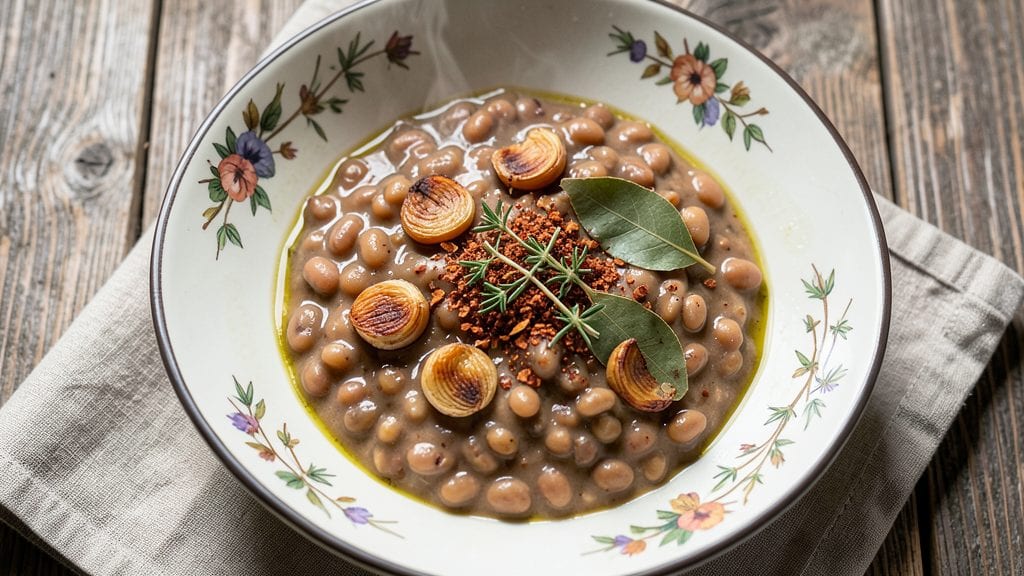
This great northern beans recipe transforms humble dried beans into a smoky, garlic-spiced side dish that elevates any meal—whether paired with roasted meats or served as a hearty vegetarian centerpiece.
Standing on a step stool in my grandmother’s Sicilian kitchen, I first learned how slow-simmered beans develop deep, complex flavors that turn simple ingredients into something extraordinary. The secret lies in layering aromatics and letting them meld over time, creating a dish that’s both comforting and sophisticated.
The beauty of this recipe is its versatility—it works as a standalone side, a stew base, or even a vegan protein source. With just five key ingredients and one-pot simplicity, you’ll achieve restaurant-quality results without the fuss.
The smoky garlic-spiced broth clings to each tender bean, while crispy edges add texture that keeps every bite interesting. It’s the kind of dish that improves with leftovers, making it perfect for meal prep or feeding a crowd.
What makes these beans truly special is the balance of flavors: rich, earthy beans meet aromatic garlic and smoky spices, all tied together with a touch of acidity. The result is a side dish that’s bold enough to stand alone but humble enough to complement any main.
Whether you’re serving it alongside Sunday roast or using it as the foundation for a hearty vegetarian bowl, this recipe delivers foolproof, satisfying results every time.
Ready in under two hours (with minimal hands-on time), this recipe proves that great northern beans don’t require complicated techniques—just patience and attention to detail. Here’s how to make them shine.
Ingredients for great" northern beans
Five core ingredients transform simple dried beans into a restaurant-worthy smoky side dish.
| Ingredient | Amount | Notes |
|---|---|---|
| Dried Great Northern Beans 🌾 | 1 ½ lb | Rinsed to remove debris |
| Garlic Cloves 🧄 | 6 cloves | Minced for aromatic depth |
| Smoked Paprika 🌶️ | 1 tbsp | For authentic smoky flavor |
| Dried Thyme 🌿 | 1 tsp | Or 1 tbsp fresh thyme leaves |
| Bay Leaves 🍃 | 2 whole | Standard dried leaves |
| Extra-Virgin Olive Oil 🫒 | ¼ cup | For gentle simmering |
| Vegetable Broth 💧 | 4 cups | Low-sodium preferred |
| Red Wine Vinegar 🍷 | 1 tbsp | Brightens final flavor |
| Diamond Crystal Kosher Salt 🧂 | 1 ½ tsp | Adjust to taste |
| Black Peppercorns 🌶️ | ½ tsp | Freshly cracked |
| Yellow Onion 🧅 | 1 whole | Diced for foundational flavor |
| Fresh Parsley 🌿 | ¼ cup | Chopped for garnish |
The quality of your dried beans matters. Bob's Red Mill or Whole Foods bulk section offer the best consistency—avoid pre-soaked varieties, which often contain additives. For the smoked paprika, Penzeys or Goya brands deliver authentic depth. Fresh garlic cloves should be firm with no green shoots, and yellow onions should have crisp, dry skins. The thyme? Italian oregano works in a pinch, but true thyme provides that earthy complexity. Store all dried goods in airtight containers away from light to preserve their potency for up to 12 months.
No smoked paprika? Substitute 1/2 tsp liquid smoke plus 1/2 tsp regular paprika—though it won't be identical. Fresh thyme unavailable? Dried oregano at 1/3 the amount suffices, though the flavor profile shifts slightly. For the vinegar, balsamic vinegar adds sweetness but reduces acidity. Vegetable broth can be homemade (simmer onion skins, celery, and carrots) or store-bought—just check for low sodium. The onion and garlic are non-negotiable for foundational flavor, but if you're short on time, 1 tbsp onion powder plus 2 minced garlic cloves works in a bind.
This dish rewards patience—simmering time develops maximum tenderness. Store cooked beans in their broth for up to 5 days in the fridge, where flavors deepen overnight. For longer storage, freeze in airtight containers for 3 months. Reheat gently with a splash of water to restore moisture. The parsley garnish should be added fresh at serving time to maintain vibrant color and aroma. For meal prep, double the batch and portion into containers with a layer of broth to preserve moisture during storage.
Why You'll Love This Recipe
- No-Soaking Needed: I’ll admit, I used to dread the soak. But these beans? Just a quick rinse and overnight soak in cold water—no fancy tricks. The next day, they’re tender, no gummy texture in sight, and ready to go.
- Smoky Depth in Minutes: That smoked paprika and thyme? It’s like a slow-cooked secret in a hurry. The garlic cloves caramelize just enough to give every bite a warm, earthy punch without needing hours on the stove.
- Leftovers That Beg for More: Serve them fresh or reheated—they’re both equally good. I’ve had these cold in salads, warmed up with cheese for a quick quesadilla, or even mashed into a dip. They’re that versatile.
- Budget-Friendly Pantry Power: Dried beans are my wallet’s best friend. A pound of these feeds my family for days, and the spices? You’re probably already using them. It’s the kind of meal that doesn’t break the bank but feels special.
Step-by-step instructions for smoky garlic-spiced great northern beans
Transform simple dried beans into rich, aromatic legumes with this foolproof simmering method.
Prepare the Beans for Even Cooking
Rinse the 1.5 lb dried great northern beans thoroughly under cold water to remove any debris, then transfer them to a large bowl. Cover with plenty of fresh cold water (about 8 cups) and let them soak for at least 8 hours or overnight. This hydration step ensures even cooking and prevents tough texture.
After soaking, drain the beans and give them a final rinse. I like to inspect them for any small stones or debris that might have slipped through during the initial rinse. Place them in a large pot with fresh cold water and bring to a gentle boil. Once boiling, reduce heat to medium-low and simmer for 2 minutes to soften their skins slightly before draining again. This blanching step helps prevent skin splitting during the long simmer ahead.
Build the Aromatic Base
In a large Dutch oven or heavy pot, heat the 0.25 cup extra-virgin olive oil over medium heat until shimmering. Add the 1 whole yellow onion, diced into ¼-inch pieces, and cook for 5-6 minutes until softened and beginning to caramelize at the edges. This foundational step develops deep flavor that carries through the entire dish.
Add the 6 cloves minced garlic cloves and cook for 30 seconds until fragrant. Immediately stir in the 1 tbsp smoked paprika, 1 tsp dried thyme, and 0.5 tsp freshly cracked black peppercorns, toasting them for 1 minute until the spices release their aromatic oils. This quick toasting prevents the paprika from turning bitter and deepens the smoky character of the final dish.
Simmer the Beans with Flavorful Broth
Return the drained beans to the pot and add the 4 cups vegetable broth, 1.5 tsp diamond crystal kosher salt, and 2 whole bay leaves. Bring everything to a gentle boil, then immediately reduce heat to low and maintain a barely simmering state. Cover the pot and cook for 1.5 hours, stirring occasionally to prevent the beans from sticking to the bottom.
Here's the key: the beans are done when they're tender but still hold their shape—they should be fork-tender with just a slight resistance. If the liquid level gets too low before they're fully cooked, add ½ cup hot water to maintain the proper consistency. The beans should be swimming in just enough liquid to keep them moist but not drowning in it.
Finish with Bright Acid and Fresh Herbs
Once the beans reach perfect tenderness, stir in the 1 tbsp red wine vinegar and simmer uncovered for 3-4 minutes to allow the acid to brighten the flavors and reduce any excess liquid. Taste and adjust seasoning with additional diamond crystal kosher salt if needed—this is where you'll notice if the beans need more depth of flavor.
Remove the 2 whole bay leaves and stir in the 0.25 cup chopped fresh parsley, reserving a small handful for garnish. The parsley adds freshness that cuts through the richness of the smoky beans. Let the beans sit off heat for 5 minutes to allow the flavors to meld completely before serving. This resting period ensures you get the most flavorful, cohesive bite.
Pro Tips For Making Great" Northern Beans
- SOAK THEM RIGHT: Dried Great Northerns need a good 8-hour soak—or at least 2 hours with boiling water poured over them twice. I learned this the hard way: skipping the soak means tough, mealy beans no matter how long you simmer. (Yes, even if you’re impatient like me.)
- CRUSH GARLIC COARSELY: Minced garlic burns fast in this dish. Roughly chop the cloves instead—big chunks that’ll soften but not disappear. Smoked paprika and thyme need room to shine, and you don’t want the garlic turning bitter before the beans are done.
- DON’T SKIP THE SKIM: The first 15 minutes of simmering? Skim off the foam that rises. I know, it’s tedious, but it keeps the beans from tasting bitter. (Your future self will thank you—trust me, I’ve eaten the unskimmed version.)
- SAVE THE WATER: Strain the cooked beans but reserve half a cup of that starchy cooking liquid. Thin it with a splash of broth if needed, then use it to deglaze the pot later. That’s where the real flavor lives—don’t dump it.
Pro cooking tips for this dish
Soak Like a Pro
Never skip the soaking step—this is where flavor and texture magic happens. I soak my 1.5 lb dried great northern beans overnight in 8 cups cold water with a pinch of salt (about ¼ tsp) to help prevent gas later.
The salt draws out impurities while the beans absorb moisture. For quicker prep, use the quick-soak method: boil beans for 2 minutes, then let them sit off heat covered for 1 hour before draining. This works in a pinch, but overnight soaking gives the best texture. 💫
Low and Slow Wins
The key to perfect beans is patience—simmer them at a gentle boil (just small bubbles breaking the surface) for 1.5 hours. I use a Dutch oven because it maintains even heat distribution.
If your pot gets too dry before beans are tender, add ½ cup hot water instead of cold to avoid shocking the beans. The goal is tender yet firm beans that hold their shape but yield easily to a fork. 🌡️
Spice Toasting Secrets
Toast your spices for 1 minute in the olive oil until fragrant—this releases their essential oils and prevents the smoked paprika from tasting bitter. I like to use a cast-iron skillet for this step because it conducts heat evenly.
For extra depth, add ½ tsp ground coriander with the thyme—it complements the smokiness beautifully. Just don’t walk away; constant stirring prevents burning. ⚡
Acid Balance Matters
The 1 tbsp red wine vinegar at the end isn’t just for flavor—it brightens the dish and helps cut through the richness. I add it during the final 3-4 minutes of simmering so the acidity has time to mellow slightly.
If your beans taste flat, this is your chance to adjust with a pinch more salt or a splash of vinegar. Taste as you go—this is where home cooks often miss the mark. 💡
Rest Before Serving
Let the beans rest off heat for 5 minutes before serving. This allows the juices to redistribute and the flavors to meld completely. I cover the pot loosely with a lid during this time to trap some steam.
Skipping this step means you’ll miss out on the most flavorful bite. Trust me, it makes all the difference—especially when serving alongside roasted meats or crusty bread. 🍞
Equipment Upgrades
While any pot works, a heavy-bottomed Dutch oven (like Le Creuset or All-Clad) prevents hot spots that can scorch your beans. For even better results, use a digital meat thermometer to monitor internal bean temperature—aim for 185°F at their center.
A fine-mesh strainer makes draining soaking water effortless, and a microplane gives you perfectly minced garlic without the mess. 🔥
Nutrition facts
Frequently asked questions
Why do I need to soak the beans overnight?
Soaking removes impurities and reduces cooking time by 50%. Overnight soaking (8+ hours) ensures even hydration, preventing tough texture. For quick prep, use the quick-soak method: boil beans for 2 minutes, then cover for 1 hour.
Can I use canned beans instead of dried?
Yes, but flavor and texture differ significantly. Canned beans are pre-cooked and lack the rich, developed taste of dried. If using, simmer them in the broth for 30 minutes with the spices to absorb flavors. Dried beans create a deeper, more complex dish—worth the extra time!
How do I know when the beans are perfectly cooked?
Beans are done when they're fork-tender with slight resistance—they should collapse easily but not be mushy. The internal temperature should reach 185°F.
What if my beans turn out too dry?
Add ½ cup hot water and simmer uncovered for 5 minutes. The beans will reabsorb moisture. For next time, maintain a barely simmering liquid level throughout cooking. Never use cold water—it shocks the beans.
Can I make this recipe vegetarian or vegan?
This recipe is naturally vegan—just ensure your broth is vegetable-based. For extra protein, add 1 cup cooked quinoa or ½ cup crumbled tempeh** at the end. The smoky garlic flavors complement plant-based diets beautifully.