
Side Dishes
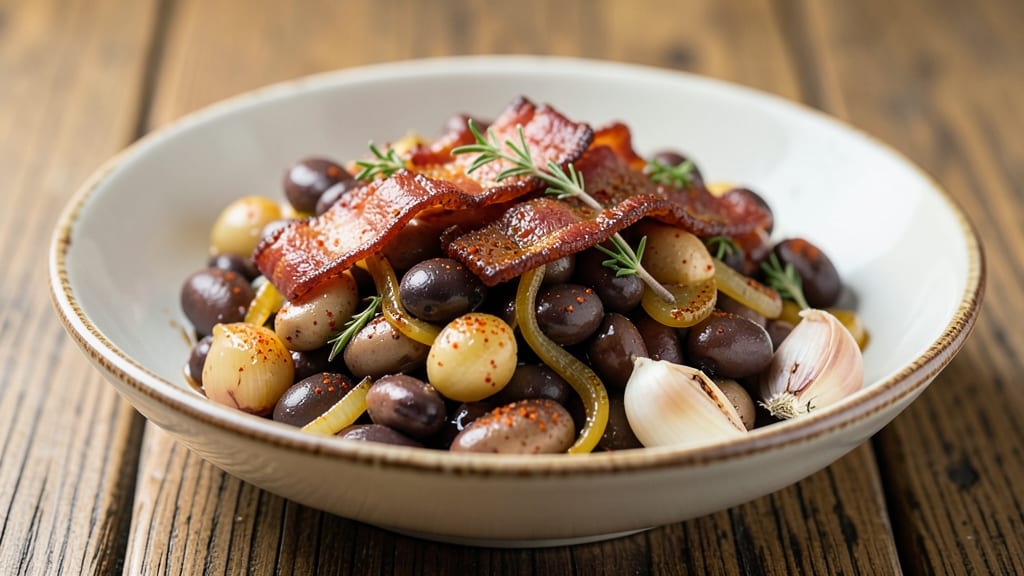
This October beans recipe—smoky bacon-wrapped and crisped to perfection—turns simple ingredients into a fall side dish that tastes like a warm, savory embrace. about pumpkin and apples; sometimes, it's about the smoky-sweet harmony of bacon and beans simmered just right.
That memory of Mrs. Henderson's kitchen still lingers when I make this dish today.
The secret lies in the balance: crispy bacon wrapped around tender beans, slow-cooked until the edges caramelize and the flavors meld into something deeply comforting. We're talking 30 minutes of hands-off cooking—perfect for weeknights when you want restaurant-quality sides without the fuss.
The bacon adds a salty crunch that contrasts beautifully with the creamy, slightly sweet beans underneath, creating a texture that's impossible to resist.
What you'll end up with is a dish that smells like fall in every bite—golden-brown bacon wrapping tender beans that've absorbed all that smoky goodness. It's the kind of side that disappears faster than you can say "harvest season," leaving everyone asking for seconds.
The best part? It pairs effortlessly with roasted meats, grilled chicken, or even as a standalone appetizer when sliced into bite-sized pieces.
This recipe works equally well for holiday gatherings or simple family dinners. The flavors develop beautifully over time, so making it ahead lets the smokiness deepen even more. Let's get cooking—your table is about to get a whole lot more inviting.
Ingredients for october beans
Simple pantry staples and smoky bacon transform into autumn's coziest side dish.
| Ingredient | Amount | Notes |
|---|---|---|
| Dry Navy Beans 🌱 | 1 ½ cups | Uncooked, soaked overnight |
| Thick-Cut Bacon 🥓 | 8 oz | Applewood smoked preferred |
| Yellow Onion 🧅 | 1 whole | Medium, diced |
| Garlic Cloves 🧄 | 4 cloves | Fresh, minced |
| Dried Thyme 🌿 | 1 tsp | Or 1 tbsp fresh |
| Smoked Paprika 🌶️ | 1 tsp | For deep smoky flavor |
| Ground Black Pepper 🌶️ | ½ tsp | Freshly cracked |
| Kosher Salt 🧂 | 1 ½ tsp | Diamond Crystal preferred |
| Chicken Broth 💧 | 2 cups | Low-sodium preferred |
| Extra-Virgin Olive Oil 🫒 | 1 tbsp | For crisping bacon |
| Fresh Parsley 🌿 | ¼ cup | Chopped, for garnish |
| Brown Sugar 🍯 | 1 tbsp | Light, for subtle sweetness |
| Apple Cider Vinegar 🍎 | 1 tbsp | For tangy depth |
The bacon is non-negotiable here—thick-cut applewood smoked gives that perfect balance of crispy edges and creamy centers. Costco or Trader Joe's usually have the best prices for bulk packs. If you can't find applewood, regular thick-cut will work, but the flavor won't be quite as layered. The beans? Navy beans hold their shape beautifully, but great northerns work too. Soak them overnight—8 hours minimum—or use the quick-soak method if you're in a rush. For the onions, yellow onions add sweetness as they cook, but red onions give a subtle tang if you prefer.
No smoked paprika? Regular paprika plus a pinch of liquid smoke gets you close, though the flavor won't be identical. Running short on thyme? Dried oregano at half the amount works in a pinch, but thyme's earthy notes are key here. The chicken broth should be low-sodium—you're adding salt separately, and you don't want to overdo it. For the vinegar, apple cider vinegar adds that autumnal touch, but white wine vinegar will do if that's what you have. The brown sugar might seem odd, but it caramelizes beautifully with the bacon fat, adding just the right amount of sweetness to balance the smokiness.
These beans reheat like a dream—better the next day as the flavors meld. Store leftovers in an airtight container with a sprinkle of broth on top to keep them moist. They'll keep in the fridge for 5 days, or you can freeze them for up to 3 months. For serving, I like to arrange them on a platter with the crispy bacon pieces fanned out on top—looks gorgeous and tastes even better. Make a double batch if you're feeding a crowd—they disappear fast!
Why You'll Love This Recipe
- Ditch the Soak: I’ll be real—soaking beans is a hassle. These navy beans? Just toss them in cold water overnight (or even same-day with a quick boil), and they’re ready. No fancy tricks, no stress.
- Bacon Magic: That thick-cut bacon isn’t just for flavor—it’s the star. Crispy edges, salty-sweet bite? Yes, please. And the thyme? It turns this dish from "good" to "I’ll make this again."
- Weeknight to Potluck: Serve it with crusty bread for dinner, pack it in a thermos for lunch, or bring it to a gathering—it’s that good. Honestly, the only limit is how many people you want to feed.
- Budget Win: Dry beans and bacon stretch for days. I made this twice last week, and the leftovers? Still delicious reheated. Plus, it’s cheaper than takeout, but way better.
Step-by-step instructions for smoky bacon-wrapped October beans
Here's how to transform simple navy beans into a rich, smoky centerpiece that feels like autumn in a bowl.
Prepare the Bacon and Beans for Maximum Flavor
First, cut the 8 oz thick-cut bacon into 1-inch pieces and place them in a cold skillet. Cook over medium-low heat for 8-10 minutes, stirring occasionally, until the bacon is deep golden brown and crispy. Remove the bacon with a slotted spoon and set aside, leaving the rendered fat in the pan.
While the bacon cooks, drain and rinse the 1.5 cups dry navy beans thoroughly under cold water. In a large pot, combine the beans with 2 cups chicken broth, 1 whole yellow onion (diced), 4 cloves garlic cloves (minced), 1 tbsp brown sugar, 1 tbsp apple cider vinegar, 1 tsp smoked paprika, 1 tsp dried thyme, and 1.5 tsp kosher salt. Bring to a boil, then reduce heat to low and simmer for 20 minutes. The beans should be tender but still hold their shape—this is key for that creamy texture later.
Build the Smoky Base with Bacon Fat and Aromatics
Return the crispy bacon to the skillet with its fat and add 1 tbsp extra-virgin olive oil. Increase heat to medium and let it warm for 1 minute until the fat shimmers. Add the cooked beans (with all their broth) to the skillet and stir to coat everything in that glorious bacon fat. The mixture should sizzle gently—this is where all the magic happens.
Let the beans simmer uncovered for 10-12 minutes until the liquid reduces slightly and the flavors meld. You'll notice the beans absorbing the smoky depth from the bacon and developing a rich, caramelized edge. Taste and adjust seasoning with additional kosher salt or black pepper if needed. The beans should be tender but still have a slight bite—this prevents mushiness.
Finish with Fresh Herbs and Crispy Garnish
Once the beans are perfectly seasoned, transfer them to a serving bowl. Stir in the 0.25 cup fresh parsley (chopped) and 0.5 tsp ground black pepper just before serving. The parsley adds a bright contrast to the smoky, sweet-savory beans, cutting through the richness beautifully.
For that final touch of comfort, scatter the reserved crispy bacon pieces on top of the beans. The contrast between the tender, creamy beans and the crunchy bacon is what makes this dish so irresistible. Serve immediately while the bacon is still crisp and the beans are steaming hot—this is when they taste their absolute best.
Pro Tips For Making October Beans
- SOAK BEANS OVERNIGHT: Navy beans cook faster and stay creamier when soaked, but I learned the hard way—rushing with a quick soak leaves them tough. Use cold water in a bowl, cover, and let them sit 8+ hours (or at least 4 hours in hot water). Drain and rinse before cooking to cut down on foam and cooking time.
- CRISP THE BACON LOW: Thick-cut bacon needs patience—don’t rush it. Cook at 275°F (135°C) until the edges curl and the fat renders slowly, about 15-20 minutes. Skimp on heat, and you’ll end up with greasy, limp strips. Save the rendered fat for the beans later—it’s liquid gold.
- SWEEP THE POT: After browning the onions and garlic, scrape up those stuck-on bits with a wooden spoon. They’re packed with flavor, and ignoring them means wasting half the taste. A quick 30-second scrape makes all the difference—your beans won’t just be bland, they’ll be good.
- USE THYME SPRIGS: Dried thyme loses potency fast, so skip the measuring spoon—toss in 2-3 whole sprigs instead. They’ll infuse the beans without overpowering, and you can fish them out later. Fresh thyme works too, but dried is easier and just as effective if handled right.
Perfect pairings for these flavors
Bacon's Perfect Pair
These smoky October beans play beautifully with crispy bacon—the star of the dish. I like to serve them alongside applewood-smoked pulled pork for a full fall feast, where the pork's tenderness complements the beans' slight bite.
For a lighter option, pair with grilled chicken thighs—the juicy meat soaks up the beans' smoky sauce perfectly. 🥓
Autumnal Bread Basket
A crusty sourdough loaf or cornbread is essential for soaking up the rich bean sauce. I grab my favorite Portland sourdough from New Seasons Market—its tangy crust cuts through the beans' sweetness beautifully. For a Southern twist, try buttermilk biscuits with a honey glaze, adding another layer of fall flavors.
Cheesy Comfort Boost
Add a sharp cheddar or Gruyère topping for extra richness. I sprinkle ½ cup shredded cheddar on top during the final 5 minutes of simmering—it melts into a creamy blanket that pairs perfectly with the crispy bacon.
For a vegetarian option, swap in nutritional yeast for a cheesy, umami kick without dairy. 🧀
Crispy Sides
Balance the creamy beans with crunchy elements like roasted Brussels sprouts (tossed with balsamic glaze) or crispy kale chips. My go-to is smashed potatoes roasted with garlic and rosemary—the buttery texture contrasts wonderfully with the beans' smokiness.
For a quick prep, store-bought potato chips work in a pinch!
Sweet Contrast
Add a caramelized apple compote or maple-glazed pecans to cut through the richness. I make a quick compote with 1 sliced apple, 1 tbsp butter, and 1 tsp cinnamon, simmered until soft. The natural sweetness balances the smoky, salty beans perfectly—like a fall flavor hug. 🍎
Drink Pairings
A dry Riesling or amber ale complements the dish beautifully. The Riesling's acidity cleanses your palate between bites, while the ale's malty sweetness mirrors the beans' smoky depth. For a non-alcoholic option, sparkling apple cider adds a festive touch—especially during harvest season. 🍷
Nutrition facts
Frequently asked questions
Can I make these October beans with canned beans instead of dry?
Use 2 (15 oz) cans of navy beans, drained and rinsed. Skip the overnight soaking step and reduce the chicken broth to 1 cup since canned beans already have moisture. The cooking time drops to just 10 minutes of simmering—perfect for busy weeknights. The texture will be slightly softer, but the smoky bacon flavor still shines.
How do I store leftovers without drying them out?
Transfer the beans to an airtight container and press a layer of plastic wrap directly on the surface to prevent drying. Store in the fridge for 5 days or freeze for 3 months. For reheating, add 1-2 tbsp broth or water and cover tightly—steam for 3-4 minutes in the microwave or warm on the stove over low heat. The bacon will crisp up again when reheated!
What if I don't have apple cider vinegar?
Use white wine vinegar or balsamic vinegar in equal amounts. Balsamic adds a deeper, slightly sweet note that works beautifully with the smoky flavors. For a non-vinegar option, try 1 tsp lemon juice—it brightens the dish but won't have the same autumnal depth. The key is the acidity to balance the richness.
Can I make this recipe vegetarian?
Yes! Swap the bacon for smoked tempeh or extra-firm tofu, cut into strips and pan-fried until crispy. Use 1 tbsp liquid smoke instead of bacon fat for that smoky depth, and add 1 tsp soy sauce to the beans for umami. Garnish with extra smoked paprika for color. The texture contrast will still be delicious—just without the meaty crunch.
Why do my beans turn mushy?
Overcooking is the most common culprit! Navy beans should be tender but still hold their shape—simmer for exactly 20 minutes (or 10 minutes for canned). If using dry beans, check for doneness at 15 minutes and adjust heat to prevent mushiness. Also, avoid adding extra liquid—let the beans absorb the broth naturally. The bacon fat helps create a creamy texture without overcooking.