Side Dishes
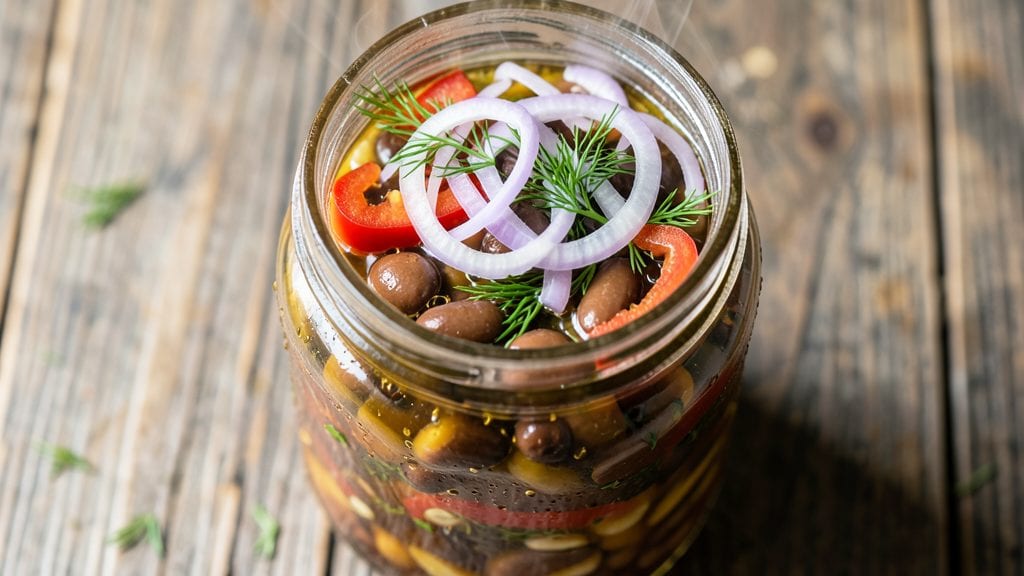
This old-fashioned pickled beans recipe brings tangy, crunchy perfection to your table with just 10 minutes of active time and a preservation method that keeps flavors vibrant for weeks. The secret lies in the vinegar brine—simple yet transformative—where beans develop that signature sharpness and satisfying texture.
I first tried this technique after discovering my grandmother’s handwritten recipe card tucked in a kitchen drawer, and it’s become a staple in my pantry.
The process is straightforward: soak, boil, and pack the beans into sterilized jars with a carefully balanced vinegar brine. This method ensures the beans stay crisp and flavorful without the need for canning equipment—just a pot, jars, and patience.
The result is a side dish that pairs beautifully with fried chicken, sandwiches, or even as a snack straight from the jar. It’s vegetarian-friendly and packed with probiotic benefits from the fermentation process.
What makes these pickled beans special is their versatility—they’re ready in minutes but last for months, making them perfect for meal prep or gifting.
The tangy, slightly spicy flavor comes from the vinegar and optional additions like garlic, mustard seeds, or red pepper flakes, which you can adjust to your taste. Once you try this recipe, you’ll never buy store-bought pickled beans again.
Let’s walk through the step-by-step process, from soaking the beans to sealing them in jars, so you can enjoy this old-fashioned crunch anytime. The key to success is precision in the brine ratio and proper sterilization—details that make all the difference in texture and shelf life.
Ingredients for old fashioned pickled beans
Simple pantry staples transform into tangy, crunchy pickled beans that last for months.
| Ingredient | Amount | Notes |
|---|---|---|
| Dried Navy Beans 🌱 | 2 cups | Uncooked, rinsed well |
| White Vinegar 💧 | 2 cups | Distilled or apple cider |
| Water 💧 | 2 cups | Filtered preferred |
| Granulated Sugar 🍚 | 1 cup | Light brown sugar works too |
| Salt 🧂 | 2 tbsp | Kosher or sea salt |
| Garlic Cloves 🧄 | 4 cloves | Smashed lightly for flavor |
| Mustard Seeds 🌶️ | 1 tsp | Yellow or brown |
| Red Pepper Flakes 🌶️ | 1 tsp | Adjust for heat preference |
| Fresh Dill 🌿 | ¼ cup | Chopped, or 1 tbsp dried |
| Bay Leaves 🍃 | 2 whole | Fresh or dried |
| Clean Pint Mason Jars 🥫 | 4 whole | With lids, sterilized |
The beans are the star here—navy beans hold their shape perfectly, but great northern or cannellini work too. Soak them overnight (or quick-soak 2 hours in hot water) to soften. Trader Joe's and bulk bins at natural grocery stores have the best prices for dried beans. Look for bags with a recent date—older beans can taste bland. The vinegar is non-negotiable for that signature tang; apple cider vinegar adds subtle sweetness if you prefer it. Sterilize your jars by boiling them for 10 minutes—no shortcuts here to prevent spoilage.
No mustard seeds? Dijon mustard at half the amount adds depth. Short on dill? Fresh parsley or tarragon works in a pinch. The garlic can be roasted for a sweeter flavor—just wrap whole cloves in foil and roast at 400°F for 20 minutes. For extra heat, add 1/4 tsp cayenne pepper. The sugar balances the acidity, but honey or maple syrup can substitute if you prefer. If you’re worried about the beans staying crisp, add 1 tbsp lemon juice to the brine. The red pepper flakes can be omitted entirely for a milder version.
These pickled beans keep for up to 6 months in a cool, dark pantry. Once opened, store in the fridge and use within 2 weeks. The flavor actually improves with time—like a fine wine. I always make a double batch: one for the fridge and one to give away. The brine makes a great all-purpose tangy dressing too—just shake and drizzle. For a quick snack, grab a jar straight from the pantry and enjoy the satisfying crunch.
Why You'll Love This Recipe
- No-Fuss Pantry Magic: I swear by this recipe when I’m staring into my cupboard wondering what to make. Just dried navy beans, vinegar, and sugar—no fancy prep, no last-minute grocery runs. Honestly, I’ve made it three times this month and never once measured wrong.
- Tangy Sweet Crunch: That vinegar-sugar balance? It’s ridiculously good—bright, slightly sweet, with a satisfying crunch that disappears into creamy beans. The salt ties it all together, so you’re not left with just vinegar burn (yes, I’ve tried skipping it).
- Lunchbox Legend: Between us, these are my go-to for packed lunches or quick snacks. Cold or at room temp, they’re just as good—no reheating required. My kids grab them straight from the jar, and I still sneak bites when they’re not looking.
- Pantry Staple Power: A jar of these lasts weeks, and I make them in bulk because they’re so cheap to feed a crowd. Plus, the beans soften perfectly without mushiness—no soaking, no babying. It’s my secret weapon for potlucks or when I forget to meal prep.
Step-by-step instructions for old-fashioned pickled beans
This simple method delivers crisp, tangy pickled beans that stay crunchy for weeks.
Prepare the Beans and Sterilize Jars
Start by rinsing the 2 cups of dried navy beans thoroughly under cold water to remove any debris. Place them in a large bowl and cover with fresh water by 2 inches. Let them soak for at least 8 hours or overnight at room temperature. This step is crucial—soaking ensures the beans cook evenly and develop that satisfying crunch.
While the beans soak, sterilize the 4 clean pint mason jars and their lids. Place jars in a large pot, cover with water, and bring to a boil for 10 minutes. Keep them hot until you're ready to fill them. This sterilization prevents contamination and keeps your pickled beans fresh for months. Don't skip this step, even if the jars look clean!
Create the Vinegar Brine Mixture
In a large saucepan, combine the 2 cups of white vinegar, 1 cup of granulated sugar, and 2 tablespoons of salt. Stir over medium heat until the sugar and salt dissolve completely—this should take about 3-4 minutes. The mixture should be clear with no visible sugar crystals.
Add the 2 cups of water to the pan and bring the mixture to a gentle boil. Reduce heat to low and let it simmer for 5 minutes. This creates a flavorful, balanced brine that will perfectly preserve the beans. While it simmers, lightly smash the 4 cloves of garlic and add them to the jars along with the 1 teaspoon of mustard seeds, 1 teaspoon of red pepper flakes, and 2 whole bay leaves.
Pack and Process the Beans
Drain the soaked navy beans and pack them tightly into the sterilized pint mason jars. You should have enough beans to fill all 4 jars to about 1 inch from the top. Add the chopped 0.25 cup of fresh dill to each jar, distributing it evenly among the beans. The dill adds that classic pickled flavor and beautiful presentation.
Pour the hot vinegar brine over the beans in each jar, filling to within ½ inch of the rim. This headspace prevents the jars from exploding during processing. Wipe the rims of the jars with a clean, damp cloth to remove any residue, then seal with the sterilized lids.
Pressure Can or Refrigerate for Short-Term Use
For long-term storage, process the sealed jars in a pressure canner according to manufacturer instructions. This typically means processing pint jars at 10 pounds of pressure for 75 minutes. The pressure canner ensures the beans stay safe and delicious for up to a year.
If you prefer short-term storage, simply refrigerate the sealed jars. They'll stay fresh and crunchy for up to 3 months. The beans will develop more flavor over time, especially if refrigerated. When ready to serve, open a jar and enjoy the beans straight from the fridge—they're perfect for sandwiches, salads, or as a tangy snack on their own.
Pro Tips For Making Old Fashioned Pickled Beans
- SOAK BEANS OVERNIGHT: I learned this the hard way—skipping the soak leaves you with beans that stay stubbornly undercooked no matter how long you simmer. Use cold water and a splash of vinegar (yes, even before cooking) to soften them faster and cut down on digestive drama later.
- BOIL THE VINEGAR: Don’t just toss vinegar into cold water—heat it first. Bring the vinegar, sugar, and salt to a full boil for 2 minutes to dissolve everything properly. This ensures your brine is smooth and flavorful, not grainy or unevenly seasoned.
- USE ENOUGH LIQUID: After cooking, the beans need room to breathe. Pack them loosely into jars, leaving at least 1 inch of headspace—crowding them leads to mushy beans and a watery pickle. Trust me, your future self will thank you when you don’t have to fish out soggy beans later.
- STORE COLD AND DARK: Once jarred, refrigerate the beans within 24 hours and keep them in the darkest part of your fridge. Sunlight turns vinegar into a sad, cloudy mess, and warmth speeds up spoilage. If you’re not using them within a week, freeze the jars—they’ll last months without losing texture.
Wine and beer pairings for old fashioned pickled beans
Crisp White Wine
Start with a dry Riesling—its bright acidity and subtle honeyed notes cut through the tangy vinegar while complementing the beans' earthy crunch. I reach for a German Riesling like Dr. Loosen Blue Slate or a Washington State version for a more affordable option.
The slight sweetness in some Rieslings enhances the pickled beans' sharpness, creating a perfect balance. Serve slightly chilled (45-50°F) to highlight its crispness. 🍷
Crisp Lager
A light American lager like Miller Lite or Bud Light is my go-to beer pairing—its clean, refreshing profile lets the pickled beans shine without overpowering them. The carbonation also helps cleanse your palate between bites.
For a more artisanal choice, try a Belgian witbier like Hoegaarden, which adds a citrusy contrast that mirrors the vinegar's tang. Keep it cold (40-45°F) for the best experience.
Dry Rosé
If you prefer wine, a dry rosé with its crisp acidity and red fruit notes works beautifully. I love a Provençal rosé like Whispering Angel or a Spanish rosado for a budget-friendly option.
The light red hue and strawberry undertones pair wonderfully with the pickled beans' earthy depth. Serve it slightly chilled (48-52°F) to enhance its refreshing qualities. 🍾
Sparkling Wine
For a celebratory touch, a dry sparkling wine like Veuve Clicquot Brut or La Marca Prosecco adds effervescence that contrasts the beans' crunch. The bubbles cleanse your palate, making each bite of pickled beans feel fresh and vibrant.
Opt for a non-vintage Champagne if you want to splurge, or a Spanish cava for a more affordable option. Serve at 45-50°F to preserve its lively fizz.
Spiced Beer
If you're feeling adventurous, try a spiced beer** like Allagash White or Fat Tire Amber Ale. The coriander and orange peel notes in these beers echo the mustard seeds and dill in the pickled beans, creating a harmonious flavor profile.
The slight sweetness in amber ales also balances the vinegar’s sharpness. Serve at 42-48°F to keep the flavors crisp and vibrant.
Nutrition facts
Frequently asked questions
Why do I need to sterilize the jars for pickled beans?
Sterilizing jars prevents bacterial growth that could spoil your pickled beans. Boiling jars and lids for 10 minutes creates a clean seal that keeps the vinegar brine effective for months. This step is especially critical if you're pressure canning—it ensures food safety and preserves that perfect crunch.
Can I use canned beans instead of dried for this recipe?
No, dried beans are essential for the traditional texture. Canned beans are pre-cooked and too soft for that satisfying crunch. The soaking and boiling process with dried beans creates the perfect firmness. If you're short on time, try quick-soaking dried beans in hot water for 2 hours instead of overnight.
How do I know when the vinegar brine is ready?
The brine is ready when it's clear, hot, and all sugar/salt has dissolved completely. Stir continuously for 3-4 minutes until smooth, then simmer for 5 minutes. The mixture should be slightly syrupy but not grainy. Pour it hot over the beans to maintain sterilization.
What can I do if my pickled beans turn mushy?
Mushy beans usually mean overcooking or improper sterilization. For future batches, reduce cooking time slightly and ensure jars are properly sealed. If it happens, try making a quick pickled bean salad by combining with fresh vinegar, olive oil, and herbs. The tangy dressing can salvage the texture.
How long do these pickled beans last without refrigeration?
When properly pressure-canned, these beans stay safe and delicious for up to 1 year in a cool, dark pantry. The vinegar brine acts as a natural preservative, but always check for leaks or cloudiness before opening. For short-term storage, refrigerated jars last 3 months with improved flavor development.