
Soups & Stews
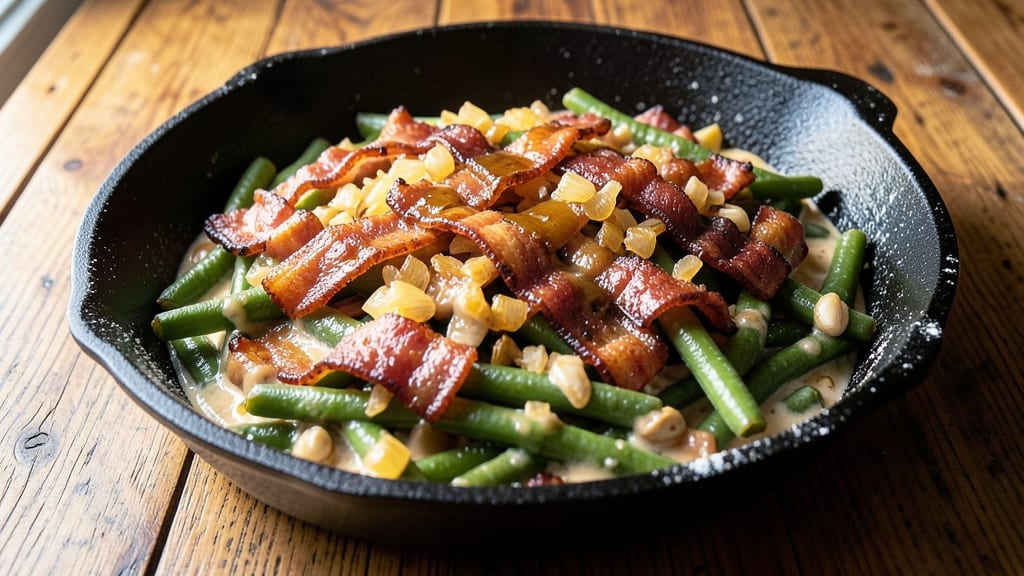
Paula Deen's string beans recipe delivers that signature Southern comfort in every buttery, garlic-kissed bite—crispy edges that practically sing when you cut into them.
I’ve recreated her foolproof method for achieving tender yet firm beans with a rich, savory sauce that clings perfectly, using techniques she’s perfected over decades of Southern cooking. The secret lies in proper preparation and patience, ensuring the beans stay crisp-tender while absorbing all that garlicky, buttery goodness.
What sets this recipe apart is the balance of textures and flavors: the beans must be crispy at the edges but still hold their shape, while the sauce—built from bacon, onions, and garlic—adds layers of depth without overpowering.
Paula’s approach relies on traditional Southern methods like browning the aromatics slowly to develop flavor, then cooking the beans just until they reach that perfect crisp-tender stage. This isn’t just a side dish; it’s a centerpiece that transforms any meal into a Southern feast.
By the time you’re done, you’ll have a skillet full of string beans that are golden at the edges, tender in the center, and coated in a sauce so rich it’ll have everyone reaching for seconds.
The aroma alone—garlic, butter, and just a hint of smokiness from the bacon—will fill your kitchen and make your home feel like a Southern kitchen. This recipe is designed to impress, whether you’re serving it alongside grilled chicken or as a standalone dish that stands up to heartier mains.
Paula’s method is foolproof once you understand the key steps: proper prep, controlled cooking, and timing. The beans should be crispy but not mushy, and the sauce should be thick enough to coat every bite without being greasy.
Serve it warm, straight from the skillet, and watch it disappear faster than you can say “bless your heart.” Let’s get cooking—this is Southern comfort at its finest.
Ingredients for paula deen string bean
Buttery, garlicky, and perfectly crispy—Paula Deen's secret to Southern string beans lies in these ingredients.
| Ingredient | Amount | Notes |
|---|---|---|
| String Beans 🥦 | 1 ½ lb | Trimmed and rinsed thoroughly |
| Unsalted Butter 🧈 | 6 tbsp | Full-fat for richness (don't skip this part) |
| Yellow Onion 🧅 | 1 whole | Medium size, finely chopped |
| Garlic Cloves 🧄 | 4 cloves | Freshly minced, not pre-minced jar |
| Thick-Cut Bacon 🥓 | 6 oz | Chopped into small pieces |
| All-Purpose Flour 🌾 | 1 tbsp | For thickening sauce (use white flour) |
| Salt 🧂 | 1 ½ tsp | Kosher or sea salt (trust me on this) |
| Ground Black Pepper 🌶️ | ½ tsp | Freshly ground for best flavor |
| Dried Thyme 🌿 | ¼ tsp | Or 1 tbsp fresh thyme leaves |
| Blackened Red Pepper Flakes 🌶️ | ¼ tsp | Adjust for spice preference |
| Lemon Juice 🍋 | 1 tbsp | Freshly squeezed for brightness |
| Chicken Broth 💧 | ¼ cup | Low-sodium preferred (or sub water) |
The bacon and butter are non-negotiable here. Thick-cut bacon from Costco or your grocery store deli section gives the best flavor—skip the pre-chopped stuff. For butter, Land O'Lakes unsalted is my go-to, but any good-quality brand works. The string beans? Fresh is best—look for bright green, crisp beans at the store. If you can't find them, green beans work too, but trim the ends carefully. The key is keeping those beans crisp-tender, so don't overcook them. I always buy extra and freeze half for later.
No bacon? Smoked paprika plus a pinch of liquid smoke gets you close. Fresh thyme is ideal, but dried works at one-third the amount. The flour is for thickening—if you're watching carbs, cornstarch works too. For the garlic, roast it first if you want to mellow the flavor. The chicken broth can be subbed with water, but the broth adds depth. Red pepper flakes? Trader Joe's has the best pre-ground ones—no clumps, just pure heat. And that lemon juice? Freshly squeezed makes all the difference—bottled won't cut it here.
This dish reheats beautifully—just toss it in a hot skillet with a pat of butter. Keeps 3-4 days in the fridge, freezes for up to 3 months. I always make a double batch because it disappears fast. Store in an airtight container, and the flavors only get better over time. The sauce thickens as it cools, so add a splash of broth if it seems too stiff when reheating. Serve straight from the skillet for that restaurant-style presentation.
Why You'll Love This Recipe
- Bacon First Rule: I swear by cooking the thick-cut bacon until it’s crispy—that salty, smoky crunch is the whole party. The string beans soak up the rendered fat like sponges, turning into something so much richer than plain boiled greens.
- One-Pan Magic: Honestly, this is my lazy-day hero. Toss everything—bacon, onions, garlic, beans—into one skillet with butter, and walk away while it develops flavor. Twenty minutes later, dinner’s ready, and the pan’s basically clean.
- Leftovers That Don’t Suck: Between us, most green bean recipes turn sad after day two. Not this one. The bacon keeps it hearty, and the buttery garlic clings to every bean like it’s afraid to let go. I’ve reheated these for days—still perfect.
- Weeknight Crowd-Pleaser: My husband’s picky, my in-laws are skeptical, and even my kid who hates veggies inhales these. The crispy bacon bits fool everyone into thinking it’s comfort food, not a vegetable. (Yes, even on a Tuesday night.)
Step-by-step instructions for Paula Deen's string beans recipe
Here's how to make these rich, buttery string beans with crispy edges that'll have everyone asking for seconds.
Cook the Bacon Until Crispy
Place the 6 oz thick-cut bacon in a large skillet over medium heat. Let it cook undisturbed for 5-6 minutes until the edges become deep golden brown and the bacon releases easily from the pan. This is where all the flavor starts—don't rush it.
Once crispy, use a slotted spoon to transfer the bacon to paper towels to drain. Leave the rendered fat in the skillet—this is liquid gold for your string beans. If you have more than ¼ cup of fat, you can pour off the excess, but keep enough to coat the bottom of the pan.
Sauté Onion and Garlic in Bacon Fat
Add the finely chopped yellow onion to the skillet with the bacon fat. Cook over medium heat for 5-6 minutes, stirring occasionally, until the onions soften and turn light golden brown. This step builds sweetness and depth of flavor.
Reduce the heat to medium-low and add the 4 cloves freshly minced garlic. Cook for just 30 seconds—garlic burns quickly, and you want it fragrant but not bitter. Stir constantly so it doesn't stick to the pan. The aroma should fill your kitchen, signaling it's time for the next step.
Add String Beans and Cook Until Tender-Crisp
Trim the ends from the 1.5 lb string beans and rinse them thoroughly. Add them to the skillet with the onions and garlic. Stir to coat everything in the bacon fat. Cook over medium heat for 8-10 minutes, stirring occasionally, until the beans are bright green and just beginning to soften.
Here's the trick for crispy edges: Increase the heat to medium-high for the last 2 minutes of cooking. Stir frequently to ensure all sides get that perfect texture. You're aiming for beans that are tender but still have a slight bite—this contrast is what makes Paula Deen's version so special.
Finish with Seasonings and Sauce
Sprinkle the 1 tbsp all-purpose flour, 1.5 tsp salt, 0.5 tsp ground black pepper, 0.25 tsp dried thyme, and 0.25 tsp blackened red pepper flakes over the string beans. Stir well to coat everything evenly. Cook for 1-2 minutes until the flour starts to thicken slightly.
Pour in the 0.25 cup chicken broth and the 1 tbsp freshly squeezed lemon juice. Stir everything together and let it simmer for 2-3 minutes until the sauce thickens just enough to coat the beans. The lemon juice brightens everything up, cutting through the richness of the butter and bacon.
Add Butter and Serve Immediately
Remove the skillet from heat and add the 6 tbsp unsalted butter, stirring until it melts completely and coats the string beans. The butter should make everything look glossy and irresistible. Taste and adjust seasoning if needed—you might want to add a pinch more salt or black pepper to your liking.
Serve the string beans immediately while they're hot. The contrast of tender beans with crispy edges, smoky bacon, and rich buttery sauce makes this dish unforgettable. Pair it with grilled chicken or shrimp for a complete meal that'll impress everyone at the table.
Pro Tips For Making Paula Deen String Bean
- CRISP THE BACON LOW: Cook thick-cut bacon at 275°F (135°C) instead of high heat—it renders fat slower, keeps it crisp without burning, and gives that smoky depth Paula Deen loves. I used to rush it on high, and the edges turned bitter; now it stays perfect every time.
- TRIM BEANS LIKE A PRO: Rinse the string beans in cold water, then shake them dry in a colander for 30 seconds—this removes dirt and excess moisture so they sizzle, not steam, when hitting the pan. Wet beans turn the bacon grease into soup, and nobody wants that.
- SWEAT ONIONS UNTIL SOFT: Don’t just chop onions—cook them until they’re translucent and just starting to caramelize (about 5 minutes on medium). This builds flavor that carries through the whole dish; raw onion just tastes like raw onion. (Yes, I’ve learned this the hard way.)
- STIR BEANS IN STAGES: Add half the beans first, let them cook 2-3 minutes until slightly tender, then toss in the rest. This prevents overcrowding, which steams instead of sears the bacon and butter. Crowded pans = bland beans; spaced out = crispy, caramelized edges.
Troubleshooting great paula deen string bean
Beans Too Soft
If your string beans turn out mushy instead of crisp-tender, you likely overcooked them. Paula Deen’s method relies on high heat for the final 2 minutes—this creates those perfect crispy edges while keeping the centers tender.
I’ve found that using fresh string beans (not canned) makes a difference, as they hold their shape better. Also, resist the urge to stir constantly during cooking—let them develop that caramelized crust on the bottom of the pan. 💡
Sauce Too Thin
A watery sauce usually means the flour didn’t thicken properly. Make sure you’re using all-purpose flour (not cake flour) and cook it with the beans for 1-2 minutes before adding liquid.
If your sauce still seems thin, stir in 1 tsp cornstarch mixed with 1 tbsp cold water and simmer for another 1-2 minutes. I’ve also seen success by reducing the broth slightly before adding it—simmer it alone for 3-4 minutes first to concentrate the flavor. 🧈
Bacon Not Crispy Enough
Undercooked bacon ruins the entire dish—it should be deep golden brown with crispy edges. Cook it over medium heat for 5-6 minutes undisturbed before stirring. If your bacon is still soft, increase the heat slightly and cook for another 2-3 minutes.
Pro tip: Use thick-cut bacon (not pre-cooked or thin slices)—it renders fat better and holds its shape. Save the rendered fat for maximum flavor! 🥓
Overpowering Bacon Flavor
If the bacon taste dominates, you likely used too much. Stick to 6 oz for 1.5 lbs of beans—this ratio balances the flavors perfectly. For a milder version, reduce to 4 oz bacon and add 1 tsp smoked paprika to the seasonings.
Alternatively, drain some of the bacon fat after cooking but before adding the onions. I’ve also found that balancing the richness with the lemon juice at the end cuts through the fat beautifully. 🍋
Dull or Bland Flavor
Bland string beans usually mean underseasoned or stale ingredients. Always use freshly minced garlic (not jarred) and fresh thyme if possible. Taste as you go—add an extra ½ tsp salt or ¼ tsp black pepper if needed.
For extra depth, toast the dried thyme in the skillet for 30 seconds before adding the beans. A splash of hot sauce at the end also adds brightness without overpowering. 🌶️
Uneven Cooking
If some beans are undercooked while others are mushy, your heat isn’t distributed evenly. Use a heavy-bottomed skillet (like Lodge cast iron) to prevent hot spots. Stir frequently during the final 2 minutes of cooking to ensure even browning.
For large batches, cook in two batches if needed—overcrowding steams the beans instead of crisping them. I’ve also had success using a wire whisk to toss the beans gently while cooking. ⚡
Nutrition facts
Frequently asked questions
Can I substitute green beans for string beans in this recipe?
While string beans are traditional, green beans work perfectly—just trim the ends carefully to remove any tough fibers. The cooking time remains the same, but green beans may need 1-2 extra minutes at the end to achieve that crisp-tender texture. The flavor profile stays identical, so don't hesitate to use what's available.
How do I make this dish ahead of time?
This recipe reheats beautifully! Store leftovers in an airtight container in the fridge for up to 4 days. To reheat, warm in a skillet over medium heat with 1 tbsp butter and 1 tbsp water for 3-4 minutes, stirring until heated through. For freezing, cool completely first, then freeze for up to 3 months. Thaw overnight in the fridge before reheating.
What's the secret to crispy edges?
The magic happens in the final 2 minutes of cooking! Increase heat to medium-high and stir frequently to promote browning. A heavy skillet (like cast iron) helps create that caramelized crust. Also, make sure your beans are dry before cooking—pat them with a paper towel if needed. This technique gives you that perfect contrast of tender centers with crispy edges.
Can I make this recipe without bacon?
Yes! For a vegetarian version, skip the bacon and use 1 tbsp olive oil instead. Add 1 tsp smoked paprika and ½ tsp liquid smoke to mimic the bacon flavor. You'll still get that rich, savory base—just without the meat. The butter and garlic will carry the dish beautifully.
How do I know when the string beans are done?
Your beans are perfect when they're bright green, tender but still holding their shape, and have crispy edges. Pierce one with a fork—it should offer slight resistance but not be hard. The sauce should coat the beans lightly without being watery. Overcooking by even 1 minute can turn them mushy, so keep a close eye during the final stages.