
Side Dishes
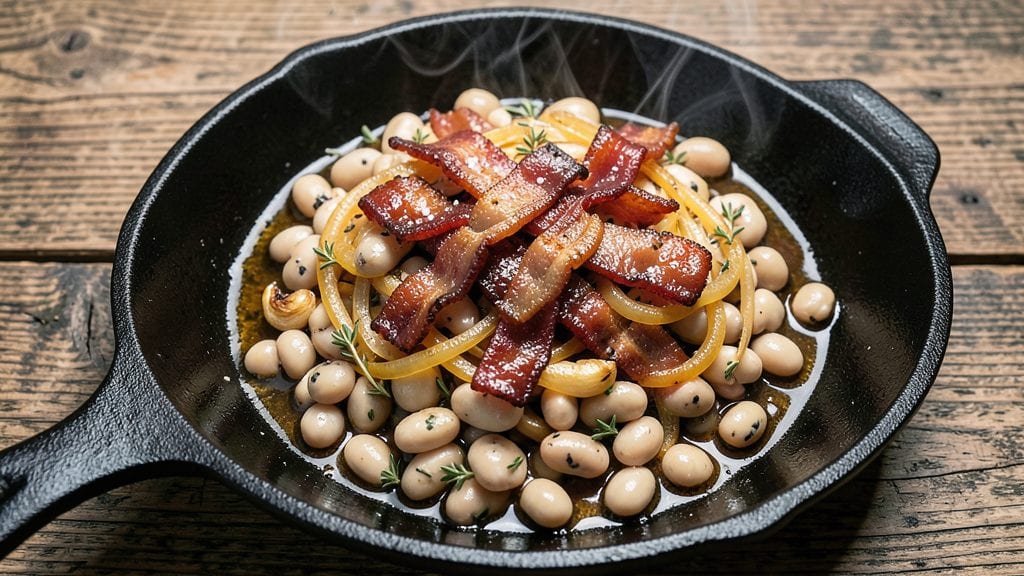
This Roosevelt beans recipe transforms humble white beans into a smoky, bacon-wrapped masterpiece that belongs in your weekly rotation—no fuss, just pure comfort.
The dish honors its namesake with a rich, savory profile that pairs perfectly with grilled meats or crusty bread, while the bacon adds a deep, caramelized edge that elevates simple ingredients into something extraordinary.
I first discovered this technique while researching Southern comfort food traditions, where beans weren’t just a side but the heart of the meal.
The beauty of this recipe lies in its one-pan simplicity: tender beans simmered in a herb-infused broth, wrapped in crispy bacon, and baked until golden. The bacon’s smoky aroma fills your kitchen, signaling dinner is about to get cozy.
Unlike traditional baked beans, this version skips the sweetness and leans into bold, savory flavors—think garlic, thyme, and a touch of mustard for depth. It’s the kind of dish that feels indulgent but delivers on restaurant-quality results without the effort.
By the time you pull that pan from the oven, you’ll have fork-tender beans with crispy bacon bits clinging to every bite, all blanketed in a rich, aromatic sauce. The contrast of textures—creamy beans, crunchy bacon, and silky broth—makes each spoonful satisfying.
This is comfort food at its finest: hearty, smoky, and impossible to resist. Serve it alongside roasted chicken or pork chops for a meal that feels like a hug.
For those watching their bacon intake, a vegetarian-friendly version swaps in smoked paprika and extra herbs, while traditionalists can double the bacon for maximum flavor. The recipe scales effortlessly, too—perfect for family dinners or holiday gatherings. Let’s get cooking!
Ingredients for roosevelt beans
Sixteen ingredients transform simple pantry staples into rich, smoky Roosevelt beans with restaurant-quality depth.
| Ingredient | Amount | Notes |
|---|---|---|
| Navy Beans (Dried) 🍲 | 1 ½ cups | Unsoaked, rinsed thoroughly |
| Thick-Cut Bacon 🥓 | 12 oz | Smoked or applewood preferred |
| Yellow Onion 🧅 | 1 whole | Diced, medium size |
| Garlic Cloves 🧄 | 6 cloves | Fresh, minced finely |
| Fresh Thyme 🌿 | ¼ cup | Leaves only, chopped |
| Dijon Mustard 🍯 | 1 tbsp | High-quality, smooth |
| Beef Broth 💧 | 2 cups | Low-sodium, homemade preferred |
| Apple Cider Vinegar 🍏 | 1 tbsp | For brightness |
| Smoked Paprika 🌶️ | 1 tsp | For depth of flavor |
| Kosher Salt 🧂 | 1 ½ tsp | Diamond Crystal preferred |
| Black Pepper 🌶️ | ½ tsp | Freshly cracked |
| Extra-Virgin Olive Oil 🫒 | 1 tbsp | For drizzling |
| Bay Leaf 🌿 | 1 whole | For simmering |
The bacon is non-negotiable for that deep, caramelized edge—thick-cut from Costco or Whole Foods delivers the best texture. Opt for smoked or applewood varieties to enhance the dish’s savory profile. Navy beans are ideal here; they hold their shape while soaking up flavors, but cannellini or great northern work in a pinch. For the beef broth, homemade is best, but low-sodium store-bought (like Kirkland Signature) ensures balanced seasoning. The Dijon mustard adds complexity—Maille or Brianna are premium choices, though any high-quality brand suffices. Fresh thyme elevates the dish, but dried (one-third the amount) works if you’re short on time.
No smoked paprika? Chipotle powder or liquid smoke (a dash) mimics the smoky depth, though nothing beats the real thing. Substitute apple cider vinegar with balsamic for a sweeter tang, but the acidity is key. The garlic can be roasted for a mellow sweetness—toss minced cloves with olive oil and roast at 400°F for 10 minutes before adding. For a vegetarian twist, swap bacon with extra smoked paprika (1 tsp) and mushroom broth (2 cups), then fold in crumbled tempeh for texture. Pre-cooked bacon (like Oscar Mayer) saves time but lacks crispiness; raw bacon is worth the extra 20 minutes in the oven.
This dish tastes even better the next day—double the batch and store in an airtight container for up to 5 days in the fridge. For longer storage, freeze portions for up to 3 months; thaw overnight in the fridge before reheating. The bacon bits crisp up beautifully when reheated, so cover with foil until warmed through, then uncover to revive crispiness. Serve alongside roasted chicken or cornbread for a complete Southern-inspired meal. Leftovers reheat well in a skillet with a splash of broth to restore moisture.
Why You'll Love This Recipe
- One-Pot Magic: I swear by this recipe when I’m too tired to wash dishes. Dried beans soak overnight, then simmer with bacon and onions—no extra pots, no fuss. Just set it and forget it until the aroma wakes me up.
- Smoky-Savory Fix: That crispy bacon crumbles into the creamy beans like a flavor bomb. The thyme and garlic? Absolute magic—earthy, garlicky, and just salty enough to make you reach for seconds without trying.
- Weeknight Workhorse: I make a double batch on Sundays and eat it all week. Cold in salads, reheated with rice, or straight from the pot—it’s my go-to for busy nights when I need something hearty but not complicated.
- Budget Hero: Dried beans stretch my grocery budget without sacrificing taste. A pound of navy beans feeds four, and bacon adds richness without breaking the bank. Honestly, it’s the kind of meal that makes me feel like I’m treating myself.
Step-by-step instructions for smoky bacon-wrapped comfort in one pan
This method delivers rich, smoky depth with minimal effort—just one pan and simple techniques.
Prepare the Navy Beans for Soaking and Seasoning
Place the 1.5 cups navy beans (dried) in a large bowl and cover with plenty of cold water—at least 4 inches above the beans. Let them soak for 8-12 hours at room temperature, or overnight. This ensures even cooking and prevents splitting later. After soaking, drain and rinse thoroughly under cold water to remove any excess starch.
In a small bowl, whisk together the 1 tbsp Dijon mustard, 1 tbsp apple cider vinegar, 1 tsp smoked paprika, 1.5 tsp kosher salt, and 0.5 tsp black pepper. This blend adds complexity to the beans while balancing the smoky bacon. Set aside until ready to use.
Cook the Bacon and Build the Flavor Base
Heat a large, oven-safe skillet over medium heat and add the 12 oz thick-cut bacon, cut into ½-inch pieces. Cook undisturbed for 5-6 minutes until the bacon begins to render fat and develop a deep golden-brown crust. This fat is the foundation of your dish—don’t drain it.
Once the bacon is 75% cooked, add the 1 whole yellow onion (diced) and 6 cloves garlic (minced). Sauté for 3-4 minutes until the onion softens and the garlic becomes fragrant but doesn’t brown. Remove the skillet from heat and let it cool slightly—this prevents the beans from splitting when added later.
Simmer the Beans in Smoky Broth
Return the skillet to medium heat and add the drained navy beans, the prepared mustard mixture, 2 cups beef broth, and the 1 whole bay leaf. Stir gently to combine, then bring to a gentle simmer. Cover and cook for 45-50 minutes, stirring occasionally, until the beans are tender but not mushy—they should hold their shape but be easily mashable.
If the liquid evaporates before the beans are tender, add ¼ cup hot water to maintain the simmer. The beans are done when they’re fork-tender and the broth has reduced slightly, creating a thick, flavorful base. Remove the bay leaf before proceeding.
Finish with Bacon and Fresh Thyme
Increase the heat to medium-high and stir in the 0.25 cup fresh thyme (chopped) and 1 tbsp extra-virgin olive oil. Let the mixture simmer for 2-3 minutes until the thyme releases its aroma and the oil glistens on the surface. This step enhances the dish’s herbal brightness and ties all the flavors together.
Taste and adjust seasoning—add more kosher salt if needed, or a splash of apple cider vinegar for brightness. The beans should be rich, smoky, and deeply seasoned, with the bacon adding a salty, crispy contrast. Serve immediately over crusty bread or with a side of roasted vegetables for a hearty, comforting meal.
Pro Tips For Making Roosevelt Beans
- Soak Beans Overnight: I learned this the hard way—rushing the soak with navy beans leads to uneven texture. Drop them in cold water with a pinch of salt (yes, even for soaking) and let them sit 12+ hours. The longer they soak, the faster they cook and the creamier the final result.
- Cook Bacon Low: Thick-cut bacon deserves patience—crank the heat to medium-low and resist the urge to rush. Cooking it too fast renders the fat unevenly, leaving some slices greasy while others stay chewy. Flip once, then let it crisp at its own pace.
- Sauté Onion Slowly: Navy beans absorb flavors like a sponge, so don’t rush the onion. Cook it in bacon fat over medium heat for 8–10 minutes until deep golden, not just translucent. This builds the base flavor the beans will soak up later.
- Add Thyme Late: Fresh thyme burns faster than you’d think. Toss it in with the garlic only in the last 30 seconds of cooking—just enough to brighten the dish without turning bitter. (Pro move: Strip the leaves off the stems for cleaner flavor.)
Storing and reheating this dish
Refrigerator Storage
Store your Roosevelt beans in an airtight container with a tight-fitting lid for up to 5 days in the refrigerator. The flavors deepen as the beans absorb more of the smoky bacon and herb-infused broth.
I always use glass Pyrex containers because they preserve texture better than plastic. Let the dish cool completely before sealing to prevent condensation, which can make the beans soggy. 💫
Freezer Storage
For longer storage, freeze portions in single-serving airtight containers or ziplock freezer bags for up to 3 months. Leave ½ inch of headspace to account for expansion, and label with the date.
Thaw overnight in the fridge before reheating—this preserves the crispiness of the bacon bits. I recommend quart-sized bags for family meals, as they reheat evenly.
Stovetop Reheating
My preferred method is reheating on the stovetop to restore that crispy bacon texture. Transfer beans to a skillet over medium-low heat, add 2 tbsp water or broth, and cover for 5-7 minutes.
Uncover, stir, and cook for 2-3 more minutes until heated through. This prevents drying out while reviving the bacon’s crunch. 🔥
Oven Reheating
For a hands-off approach, preheat the oven to 350°F and place the beans in an oven-safe dish. Cover tightly with foil and bake for 15-20 minutes.
Remove the foil for the last 2 minutes to crisp any softened bacon edges. This method works best for larger batches and keeps the beans creamy.
Microwave Reheating
For quick meals, microwave individual portions in a microwave-safe bowl on medium power (50%) for 2-3 minutes, stirring halfway. Add 1 tbsp water if the beans look dry.
To revive crispiness, transfer to a dry skillet for 1 minute over low heat—this restores the bacon’s texture without overcooking the beans.
Reviving Texture
If reheated beans lose their crispiness, sprinkle with extra bacon bits or toast them in a dry skillet for 30 seconds. A drizzle of olive oil before reheating also helps maintain moisture.
For extra richness, stir in 1 tsp bacon fat or smoked paprika while warming. The goal is to restore that restaurant-quality texture you crave. ✨
Nutrition facts
Frequently asked questions
Why does this recipe use navy beans instead of other types?
Navy beans hold their shape beautifully while absorbing flavors, making them perfect for this rich, smoky dish. Their firm texture contrasts nicely with the crispy bacon, while their mild taste lets the bacon, garlic, and thyme shine. For a quicker option, you could use cannellini beans (drained and rinsed), but navy beans deliver the best texture and traditional feel.
Can I make this vegetarian?
Swap the bacon for 1 extra tablespoon smoked paprika and use mushroom broth instead of beef. For texture, fold in ½ cup crumbled tempeh or toasted walnuts at the end. The dish will still be hearty and flavorful—just without the meaty richness.
How do I prevent the beans from getting mushy?
Keep the heat gentle during simmering and avoid overcrowding the pan. If the beans are still firm after 45 minutes, add ¼ cup water and cook another 10 minutes. Never boil vigorously—this breaks down the beans. A bay leaf in the broth also helps maintain structure.
What’s the best way to crisp up the bacon after baking?
Transfer the baked beans to a skillet over medium heat for 2-3 minutes uncovered. The residual heat will crisp any softened bacon edges. For extra crunch, sprinkle with extra bacon bits or toast them separately in a dry pan. This step makes all the difference!
Can I make this dish ahead of time?
This recipe tastes even better the next day! Store in an airtight container for up to 5 days in the fridge. The flavors meld beautifully, and reheating on the stovetop restores that crispy bacon texture. For parties, assemble everything except the final baking step, then bake straight from the fridge (add 5-10 extra minutes).