
Side Dishes
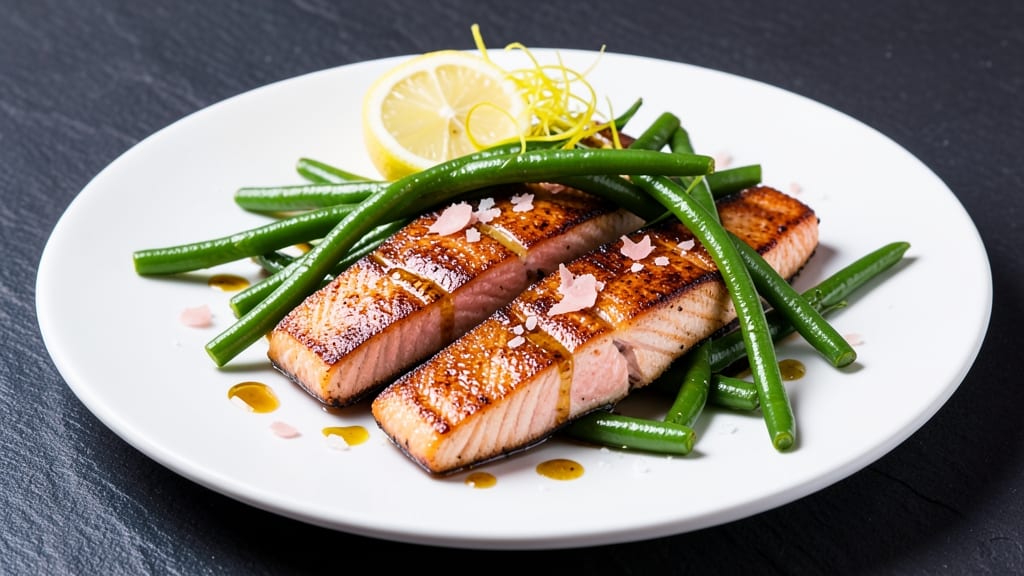
Pan-seared salmon with crisp-tender green beans creates a restaurant-quality dinner that comes together in just 25 minutes. The secret lies in high-heat searing for perfectly tender salmon fillets while achieving that ideal al dente texture in the green beans—neither overcooked nor underwhelming.
I developed this recipe after years of testing different methods to balance rich, flaky salmon with bright, vibrant greens that hold their shape.
What sets this dish apart is the precision timing between the two components. While the salmon develops its signature golden crust, the green beans transform from raw to perfectly tender through a quick sauté with garlic and lemon.
The acidity from the lemon not only brightens the beans but also cuts through the richness of the salmon, creating a harmonious balance in every bite. This method ensures you'll never have dry fish or mushy vegetables again.
By the time you plate this dish, you'll have a presentation that's as impressive as it is delicious—juicy salmon fillets resting alongside bright green beans that maintain their natural color and crisp texture.
The combination of textures and flavors makes this an ideal weeknight meal that feels special enough for company. The recipe scales easily, so whether you're cooking for two or feeding a family of four, the proportions remain perfect.
Serve with a drizzle of lemon butter or a sprinkle of toasted almonds for added texture, and you've got a complete, balanced meal that requires minimal cleanup.
The salmon remains moist and flavorful, while the green beans stay vibrant and crisp-tender, proving that healthy eating can be both satisfying and elegant. Let's get started on this timeless combination.
Ingredients for salmon green beans
Four ingredients make this elegant salmon and green beans dinner shine.
| Ingredient | Amount | Notes |
|---|---|---|
| Salmon Fillets 🐟 | 4 whole | Skin-on, center-cut, 6-8 oz each |
| Green Beans 🥦 | 1 ½ lb | Trimmed, French-cut preferred |
| Extra-Virgin Olive Oil 🫒 | 2 tbsp | High quality, fruity flavor |
| Garlic Cloves 🧄 | 4 cloves | Minced, fresh preferred |
| Lemon Juice 🍋 | 2 tbsp | Freshly squeezed, 1 lemon |
| Zest of 1 Lemon 🍋 | 1 whole | For bright, aromatic finish |
| Kosher Salt 🧂 | 1 ½ tsp | Fine grain, for seasoning |
| Ground Black Pepper 🌶️ | ½ tsp | Freshly cracked |
| Unsalted Butter 🧈 | 2 tbsp | Cold, for salmon searing |
| Fresh Parsley 🌿 | ¼ cup | Chopped, for garnish |
| Toasted Almond Slices 🥜 | ¼ cup | Optional, for crunch |
The salmon is everything here—center-cut fillets with skin stay together better during searing. Grab wild-caught from the seafood counter if possible, but farmed works too. Look for fillets with vibrant pink color and minimal bruising. I always buy 6-8 oz each so they cook evenly in 4-5 minutes. Green beans? French-cut from the frozen section saves time, but fresh trimmed beans work if you're feeling fancy. The key is keeping them crisp-tender—overcooking turns them mushy. Store fresh beans in a damp paper towel-lined bag in the fridge for up to a week.
No fresh parsley? Dried parsley at half the amount works, but it lacks that fresh brightness. Short on almonds? Toasted walnuts or pecans give a similar crunch. The lemon juice is non-negotiable—bottled lemon juice is fine, but fresh tastes like summer. For the olive oil, avoid the cheap stuff—look for extra-virgin with a fruity aroma. The butter should be cold and cut into small cubes for even searing. If you're out of kosher salt, sea salt at a 1:1 ratio works just as well. The garlic? Fresh is best, but if you're using dried, reduce to 1 teaspoon.
Salmon cooks fast—keep it covered with foil while prepping the beans to maintain heat. The green beans stay crisp-tender if you cook them for just 4-5 minutes over medium-high heat. Store leftovers in airtight containers for up to 2 days—reheat gently in a skillet with a splash of water. The lemon butter sauce can be made ahead and reheated for 3 days. For meal prep, portion the salmon and beans separately to keep them from getting soggy. This dish reheats beautifully—just add a pat of butter to the pan and warm through for that restaurant-quality finish.
Why You'll Love This Recipe
- I’ll be real: most salmon leftovers turn into sad, dry rubble. Not this. The green beans hold their crunch, the salmon stays moist, and the lemon keeps everything tasting fresh even the next day. Pack it for lunch or reheat it gently—it’s the kind of meal that actually improves with a little time. (Yes, even on a Wednesday.)
- One-Pan Magic: I swear by this for nights when I don’t want to scrub a million dishes—just toss everything on a sheet pan, roast, and walk away. The salmon crisps while the green beans blister, and that olive oil pools into the most fragrant little lake of flavor. Chef’s kiss with zero extra effort.
- Bright & Simple: Honestly, the flavor profile is what keeps me coming back. The garlic sizzles in that olive oil until it’s just shy of burning (trust me, you’ll smell it), then the lemon cuts through the richness like a cool breeze. It’s fresh, it’s bright, and it never feels heavy—just pure, satisfying goodness in every bite.
- Weeknight Hero: Between us, this is my go-to when I need something that’s impressive enough for company but still feels like a Tuesday night. Serve it over rice for a full meal, or plate it with crusty bread and a glass of white wine—it works for both lazy dinners and last-minute guests. No stress, all reward.
Step-by-step instructions for pan-seared salmon with crisp-tender greens
This method delivers perfectly tender salmon with perfectly crisp green beans—no guesswork, just foolproof technique.
Season and Sear the Salmon Fillets
Pat the 4 whole salmon fillets dry with paper towels—this ensures maximum crispiness. Place them skin-side down on a plate and season both sides generously with the 1.5 teaspoons kosher salt and 0.5 teaspoon ground black pepper. Let them sit at room temperature for 10 minutes while you prepare the pan.
Heat a large skillet over medium-high heat until it's hot but not smoking. Add the 2 tablespoons unsalted butter and let it melt completely, then add the 2 tablespoons extra-virgin olive oil. Place the salmon fillets skin-side down in the pan and press gently with a spatula for 30 seconds to prevent curling. Cook for 4-5 minutes until the skin is golden brown and crispy, then carefully flip and cook for another 3-4 minutes until the salmon reaches an internal temperature of 145°F.
Blanch and Sauté the Green Beans
While the salmon cooks, trim the ends off the 1.5 pounds green beans and cut them into 2-inch pieces. In a separate large skillet, heat 1 tablespoon extra-virgin olive oil over medium-high heat. Add the green beans in a single layer and cook for 2-3 minutes until they begin to blister and turn bright green.
Add the 4 minced garlic cloves and cook for 30 seconds until fragrant. Pour in the 2 tablespoons lemon juice and sprinkle with 0.5 teaspoon kosher salt. Toss everything together for 1 minute to coat the beans evenly. Remove from heat and stir in the 1 whole zest of 1 lemon and the 0.25 cup toasted almond slices, reserving a few for garnish.
Finish with Fresh Herbs and Lemon
Transfer the cooked salmon fillets to a serving platter and spoon any remaining butter from the pan over the top. Sprinkle with the 0.25 cup chopped fresh parsley and the reserved toasted almond slices for texture. The salmon should be golden on the outside with a tender, flaky interior.
Serve the crisp-tender green beans alongside the salmon, drizzling any remaining pan juices over both. The bright lemon zest and toasted almonds add a perfect finishing touch. This dish comes together in under 20 minutes but feels like a restaurant-quality meal.
Plate and Serve Immediately
Divide the green beans evenly among 4 plates, then place a salmon fillet on top of each serving. Garnish with an additional sprinkle of fresh parsley and a few more toasted almond slices. The contrast of crispy skin on the salmon with the tender green beans makes every bite satisfying.
Serve immediately while the salmon is still warm and the green beans retain their perfect texture. The lemon zest brightens the dish, while the almonds add a satisfying crunch that balances the rich salmon and tender greens.
Pro Tips For Making Salmon Green Beans
- Trim Those Green Beans: Cut them at an angle—about 1/3 from the bottom—so they sizzle flat in the pan instead of curling up like limp noodles. I used to skip this, and half the beans would steam instead of sear. Takes 30 seconds but makes a real difference.
- Salt the Salmon First: Season the fillets 20 minutes before cooking—salt draws out moisture, and the salmon will crisp better when you sear it. I learned this the hard way after dry-rubbing right before heat and ending up with uneven texture.
- Use Two Pans: Cook the green beans in a separate pan first—they’ll release water, and you won’t end up with soggy salmon. Start them in a cold skillet, add a splash of water, then crank the heat. Salmon deserves dry, crispy skin.
- Finish with Zest: Grate the lemon zest over the whole dish right at the end—it brightens the salmon’s richness without overpowering. I was skeptical until I tried it; now I can’t imagine skipping it. (Yes, even if you’re impatient like me.)
Common mistakes when making great salmon green beans
Overcooking Salmon
Salmon turns rubbery and dry when cooked past 145°F internal temperature. I’ve ruined many fillets by flipping too soon—wait until the skin is golden and crispy before checking the internal temp with a meat thermometer.
If you don’t have one, use the 10-second rule: gently press the thickest part with a fork; it should flake easily but still feel slightly firm to the touch. 🌡️
Underseasoning
Salmon absorbs flavors beautifully, but many home cooks skimp on seasoning. I recommend 1.5 teaspoons kosher salt and 0.5 teaspoon black pepper per fillet—don’t be shy! The salt enhances the natural sweetness of the fish, while pepper adds depth.
Taste the salmon before serving—if it’s bland, add a squeeze of lemon or a pinch of salt at the table.
Skipping the Rest
Transferring salmon to a plate immediately after cooking causes juices to escape, leaving you with dry fish. Let it rest for 3-5 minutes before serving. This allows the juices to redistribute, ensuring every bite is moist and flavorful.
I swear by this step—it’s the difference between good and restaurant-quality salmon. ⏳
Overcrowding the Pan
Cooking multiple fillets at once lowers the pan’s temperature, leading to greasy, undercooked salmon. Use a 10-inch nonstick skillet for 4 fillets—this gives them room to sear properly.
If your pan is too small, cook in batches, but keep the salmon warm in a 200°F oven while finishing the second batch.
Ignoring the Skin
The skin is the secret to crispy, flavorful salmon! Leaving it on protects the delicate flesh from breaking apart. If your fillets curl while cooking, gently press them down with a spatula for 30 seconds at the start.
For skinless fillets, pat them dry thoroughly and sear skin-side down for 2 minutes before flipping.
Mushy Green Beans
Green beans lose their crisp-tender texture when overcooked. I’ve learned the hard way—cook them for only 4-5 minutes over medium-high heat. Start checking at the 3-minute mark; they’re done when bright green and slightly blistered.
Adding them to boiling water (blanching) for 2 minutes before sautéing ensures even cooking and vibrant color. 🥦
Nutrition facts
Frequently asked questions
Can I use frozen green beans instead of fresh?
Frozen green beans work perfectly for this recipe—just thaw them first by soaking in cold water for 5 minutes. Drain well before cooking to avoid excess moisture. Frozen beans are pre-trimmed and often more consistent in texture, making them a great shortcut without sacrificing flavor.
How do I prevent the salmon from sticking to the pan?
Pat the fillets very dry with paper towels before seasoning—moisture is the enemy of crispy skin. Use a 10-inch nonstick skillet heated to medium-high (not smoking) and add 2 tbsp butter + 2 tbsp olive oil. Let the butter melt completely before adding fish. If your pan isn't nonstick, use a well-seasoned cast iron.
What's the best way to reheat leftovers?
Reheat salmon and green beans separately to maintain texture. For salmon, warm in a skillet over low heat for 2-3 minutes with a pat of butter. For green beans, sauté in 1 tbsp olive oil for 3-4 minutes—they'll soften slightly but stay crisp. Never microwave salmon—it turns rubbery! Store leftovers in airtight containers for up to 2 days.
Can I make this recipe ahead of time?
Yes! Prep components separately: Cook salmon and green beans, then store in airtight containers—salmon for 1 day, beans for 2. Reheat as directed above. For the lemon-garlic sauce, make it ahead and store in the fridge for 3 days. The key is keeping proteins and veggies separate to preserve texture.
What wine pairs well with this dish?
A crisp Sauvignon Blanc or Pinot Grigio complements the lemon and salmon beautifully. For red wine lovers, try a light Pinot Noir—its acidity cuts through the richness. Avoid heavy reds like Cabernet. Serve chilled whites at 45-50°F and reds at 60-65°F for optimal pairing.