
Side Dishes
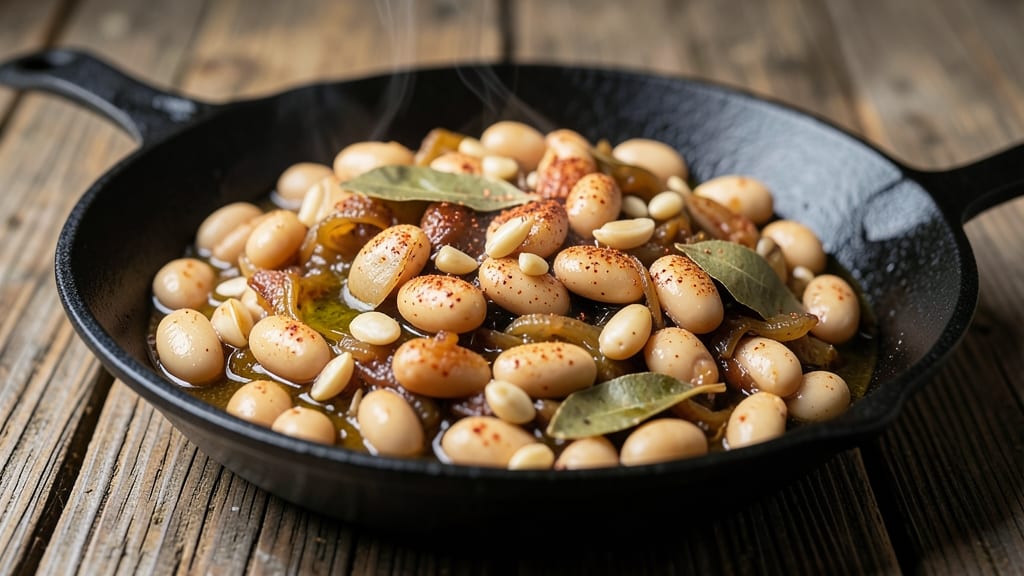
Creating smoked beans with deep, smoky flavor in just one pot transforms a simple side dish into a restaurant-worthy centerpiece. The secret lies in slow-cooking beans with aromatic spices and wood chips, resulting in tender, flavorful beans that pair perfectly with grilled meats or hearty bread.
This method eliminates the need for a smoker while delivering authentic, rich taste in under two hours.
What sets this recipe apart is the combination of smoked paprika and liquid smoke, which infuse the beans with a smoky depth without overpowering their natural sweetness. The beans cook low and slow, allowing them to absorb the smoky flavors while maintaining their texture.
This approach works for both white and navy beans, making it versatile for any meal.
The result is a pot of tender, smoky beans with a rich, caramelized edge that elevates any dish. The aroma alone will draw everyone to the table, and the flavor profile is complex enough to stand alone or complement grilled chicken, steak, or even a simple sandwich.
The simplicity of the method ensures foolproof results every time.
Once mastered, this technique opens the door to endless variations—add bacon for extra richness, swap spices for different regional flavors, or serve with cornbread for a complete meal.
The possibilities are as limitless as your imagination, making this recipe a staple for any home cook looking to add depth to their dishes.
Ingredients for smoke beans
Fourteen ingredients transform simple beans into restaurant-quality smoked beans with rich, complex flavor.
| Ingredient | Amount | Notes |
|---|---|---|
| Dry White Beans 🌱 | 1 ½ cups | Unsoaked, rinsed thoroughly |
| Yellow Onion 🧅 | 1 whole | Diced, medium size preferred |
| Garlic Cloves 🧄 | 4 cloves | Minced, fresh preferred |
| Smoked Paprika 🌶️ | 2 tbsp | High-quality, not smoked paprika blend |
| Liquid Smoke 💨 | 1 tbsp | Pure, no additives |
| Bay Leaves 🌿 | 2 whole | Fresh or dried |
| Vegetable Broth 💧 | 4 cups | Low-sodium preferred |
| Extra-Virgin Olive Oil 🫒 | 2 tbsp | For even heat distribution |
| Salt 🧂 | 1 ½ tsp | Diamond Crystal kosher |
| Black Peppercorns 🌶️ | ½ tsp | Freshly cracked |
| Cumin Seeds 🌿 | 1 tsp | Toasted for depth |
| Thyme Sprigs 🌿 | 2 whole | Fresh, stems removed |
| Apple Cider Vinegar 🍎 | 1 tbsp | Balances smoky flavor |
| Wood Chips (Hickory or Apple) 🌳 | 1 cup | Soaked in water |
The beans are the foundation, so choose dry white or navy beans—they hold texture better than pinto or black beans. Costco or bulk bins offer the best value for larger quantities, while Whole Foods provides organic options. For smoked paprika, Penzeys or La Boîte brands deliver the deepest, most authentic smoke flavor—avoid generic blends. The liquid smoke should be pure, like Barbecue Smoke House brand, to prevent artificial aftertaste. Wood chips are critical: hickory for bold smoke or apple for subtle sweetness—soak them for 30 minutes before using to prevent burning.
No smoked paprika? Substitute 1 tbsp chipotle powder plus 1 tsp cayenne for heat, though the flavor won't be identical. Liquid smoke unavailable? Double the smoked paprika and add 1/2 tsp smoked salt. Fresh thyme unavailable? Dried thyme at 1/3 the amount works, but fresh provides brighter aroma. For wood chips, mesquite or cherry are excellent alternatives—just adjust soaking time. The apple cider vinegar can be swapped for red wine vinegar, though it adds a slightly different acidity profile. Always toast cumin seeds in a dry pan for 30 seconds before adding to deepen their earthy notes.
Store cooked beans in an airtight container with 1 tbsp reserved cooking liquid to maintain moisture. They keep 5-6 days in the refrigerator or 3 months frozen. For reheating, use low heat to prevent splitting. The wood chips can be reused once dried and crushed—ideal for smaller batches. Portion into single servings for meal prep, and freeze with a splash of vinegar to preserve freshness. The flavor actually improves after 24 hours as the smoky notes meld.
Why You'll Love This Recipe
- No-Soaking Needed: I’ll be real—soaking beans is a hassle. These white beans soften beautifully overnight or in a quick pressure cooker (10 minutes, tops). That liquid smoke? Just a splash, and suddenly you’ve got smoky depth without hours of prep.
- Smoky Magic in Minutes: The combo of smoked paprika and liquid smoke gives these beans a campfire vibe—deep, earthy, with just a hint of char. Honestly, it’s the kind of flavor that makes you pause mid-bite, like someone snuck a secret into the pot.
- Meal Prep MVP: Double the batch and store in the fridge for up to five days. Toss with rice for lunch, shred into tacos, or serve over toast with hot sauce. My freezer’s always stocked because this stuff begs to be repurposed.
- Pantry Staple Power: Dry beans are dirt cheap, and the other ingredients? Onion, garlic, spices—things you already own. This recipe turns grocery day into a victory lap, and the leftovers? Even better the next day, if you can believe it.
Step-by-step instructions for smoked beans with deep flavor infusion
Master this technique for beans that carry smoky depth while maintaining perfect texture.
Prepare the Wood Chips and Sauté Aromatics
Soak the 1 cup wood chips in water for at least 30 minutes to prevent burning. Meanwhile, heat the 2 tablespoons extra-virgin olive oil in a heavy Dutch oven over medium heat. Add the diced 1 whole yellow onion and cook for 5 minutes until softened but not browned. Stir in the minced 4 cloves garlic cloves and toasted 1 teaspoon cumin seeds, cooking for another 30 seconds until fragrant.
This foundational step develops the aromatic base. The wood chips must be thoroughly soaked—they'll release steam and smoke when exposed to heat, creating that authentic barbecue flavor without overpowering the beans. Keep the heat at medium to prevent burning the garlic, which would turn bitter and ruin the delicate balance of flavors.
Build the Smoky Base and Add Beans
Add the 2 tablespoons smoked paprika and 1 tablespoon liquid smoke to the pot, stirring vigorously for 30 seconds to distribute the flavors evenly. Pour in the 4 cups vegetable broth and bring to a gentle simmer. Add the rinsed 1.5 cups dry white beans, 2 whole bay leaves, and 2 whole thyme sprigs, ensuring all ingredients are submerged.
The smoked paprika and liquid smoke work together to create that signature smoky profile. The broth should just cover the beans by about ½ inch—this ensures even cooking without waterlogging. The bay leaves and thyme sprigs infuse subtle herbal notes that complement the smokiness. Let this mixture simmer uncovered for 10 minutes to allow the flavors to meld before adding the remaining seasonings.
Season and Simmer to Perfect Texture
Add the 1.5 teaspoons salt and 0.5 teaspoon freshly cracked black peppercorns, stirring gently to incorporate. Cover the pot and reduce heat to low. Simmer for 45 minutes, stirring occasionally to prevent sticking. After 45 minutes, add the 1 tablespoon apple cider vinegar, which brightens the flavors and balances the smokiness.
During this stage, the beans should soften but retain some bite—this indicates they're al dente. The vinegar addition is critical; it cuts through the richness of the smoked flavors and adds a subtle tang. If the beans begin to stick to the bottom of the pot, add a splash of water to maintain even cooking. The lid should remain slightly ajar to allow some steam to escape, preventing the beans from becoming mushy.
Incorporate Wood Chips and Finish Cooking
Drain the soaked wood chips and add them to the pot. Cover and simmer for an additional 30 minutes, stirring occasionally. The beans are done when they're tender but still hold their shape, and the liquid has reduced to a thick, flavorful consistency. Remove the bay leaves and thyme sprigs before serving.
This final step is where the magic happens—the wood chips release their aromatic compounds, infusing the beans with that authentic smoked flavor. The beans should be fork-tender with a slight resistance, indicating they're perfectly cooked. If the mixture is too thick, add a splash of water to reach your desired consistency. The result should be beans that are deeply flavorful, with a perfect balance of smokiness, saltiness, and herbal notes.
Pro Tips For Making Smoke Beans
- SOAK BEANS OVERNIGHT: DESCRIPTION: I learned this the hard way—rushing the soak with dry white beans leaves them tough no matter how long you simmer. Toss them in cold water with a splash of vinegar (even apple cider works) and let them sit 12+ hours. The vinegar breaks down the skins faster, and you’ll notice the texture stays creamy instead of mealy. (Yes, it’s lazy to forget, but your future self will notice the difference.)
- SWEAT ONIONS LOW AND SLOW: DESCRIPTION: Cranking the heat to caramelize onions fast burns them before they soften properly, and you’ll end up with bitter bits in your beans. Instead, cook them on medium-low with a pinch of salt, stirring every 5 minutes until translucent—not golden. This builds flavor without overpowering the smoky notes from the paprika and liquid smoke.
- ADD LIQUID SMOKE LAST: DESCRIPTION: Dumping liquid smoke too early turns your beans into a sad, charred mess. Wait until the onions and garlic are fully cooked and the beans are nearly tender, then stir in just ½ teaspoon—any more and you’ll taste burnt rubber. Let it simmer 5 more minutes to mellow the flavor. (I’ve ruined three batches by adding it too soon.)
- USE A BAY LEAF: DESCRIPTION: Sounds weird, but it works: Tuck a single bay leaf into the pot with the beans while they simmer. It rounds out the smoky, spicy flavors without overpowering them, like a quiet harmony in a jazz band. Remove it before serving—no one needs to see it, but the beans will taste richer. (I skip this when I’m lazy, but the dish is noticeably better when I don’t.)
Dietary considerations for this dish
Gluten-Free Adaptation
This recipe is naturally gluten-free, but always double-check your ingredients—especially the smoked paprika and liquid smoke brands. I use Penzeys smoked paprika, which is certified gluten-free, and Barbecue Smoke House liquid smoke, both safe for gluten-sensitive diets.
The vegetable broth should be labeled gluten-free, and the apple cider vinegar is typically safe unless it contains added malt. For extra caution, use a dedicated gluten-free vinegar like Bragg. 🌱
Low-FODMAP Options
If you're following a low-FODMAP diet, swap the regular white beans for low-FODMAP canned butter beans (up to ½ cup per serving) or drained and rinsed canned lentils. Reduce the apple cider vinegar to ½ tablespoon and use gluten-free tamari instead of soy sauce if adding it.
The onion can be replaced with ½ cup green bell pepper (peeled and diced) for a milder flavor. Always check individual ingredient labels for hidden high-FODMAP components.
Protein Boost
Add ½ cup cooked bacon (crumbled) or ½ cup diced smoked sausage in the final 15 minutes of cooking to boost protein and fat content. For a vegetarian option, stir in ½ cup cooked quinoa or ½ cup crumbled tempeh at the end.
I love adding ½ cup shredded rotisserie chicken for a hearty, protein-packed side that pairs perfectly with grilled meats. 💪
Soy-Free Substitutions
Skip any soy-based ingredients (like teriyaki or regular soy sauce) and use coconut aminos instead if adding umami. For extra depth, add 1 teaspoon miso paste (ensure it's soy-free if needed) during the final 10 minutes of cooking.
The smoked paprika and liquid smoke already provide enough umami, so additional soy substitutes are optional but enhance flavor complexity.
Nut-Free Considerations
This recipe is inherently nut-free, but always verify that smoked paprika and liquid smoke brands don't contain cross-contamination warnings. If serving to someone with severe nut allergies, prepare the beans in a clean pot using only certified nut-free ingredients.
The wood chips themselves are nut-free, but store-bought broths sometimes share facilities with nut products—opt for homemade broth or brands like Pacific Foods for nut-free guarantees.
Vegan Adaptations
This recipe is already vegan, but you can enhance it further by using vegan vegetable broth (like Imagine brand) and ensuring the smoked paprika is certified vegan. For extra richness, stir in 1 tablespoon nutritional yeast during the final 5 minutes of cooking.
The wood chips add a smoky depth without any animal products, making this a perfect vegan side dish that stands up to meat-based meals. ✨
Nutrition facts
Frequently asked questions
Can I use canned beans instead of dry beans for this recipe?
Yes, but adjust the cooking time and liquid. Use 2 (15-ounce) cans of drained white beans and reduce the vegetable broth to 2 cups instead of 4. Simmer uncovered for 20-25 minutes to let the flavors meld. The beans will be ready faster, but the smoky depth may be slightly less intense since they start pre-cooked.
What's the best wood chip flavor for smoked beans?
Hickory delivers the classic, bold smoky flavor that pairs perfectly with beans, while apple adds a subtle sweetness. For a milder profile, try cherry or mesquite. Avoid fruitwoods like peach or cherry if you prefer a more traditional barbecue taste—they can overpower the earthy bean flavors. Always soak wood chips for 30 minutes before using.
Why did my beans turn mushy instead of staying firm?
Overcooking or insufficient liquid are the most common causes. Beans need gentle heat and enough liquid to steam properly. If the pot was too dry, add ½ cup water and simmer 10 more minutes uncovered. For future batches, keep the lid slightly ajar to allow steam to escape while maintaining moisture. Also ensure you're using dry beans (not pre-cooked) and simmering at low heat.
Can I make this recipe in a slow cooker?
Combine all ingredients in your slow cooker and cook on low for 6-7 hours or high for 3-4 hours. Add the wood chips in the last 30 minutes of cooking. The slow cooker's gentle heat enhances the smoky flavors without risk of burning. For best results, use a 6-quart model to prevent overcrowding.
How do I store and reheat leftovers?
Store in an airtight container with 1 tablespoon of the cooking liquid in the fridge for up to 5 days or freeze for 3 months. To reheat, warm gently on the stove over low heat with a splash of water or broth to restore moisture. Microwaving can make beans rubbery—always reheat slowly. The flavors actually improve after 24 hours as the smokiness deepens.