
Side Dishes
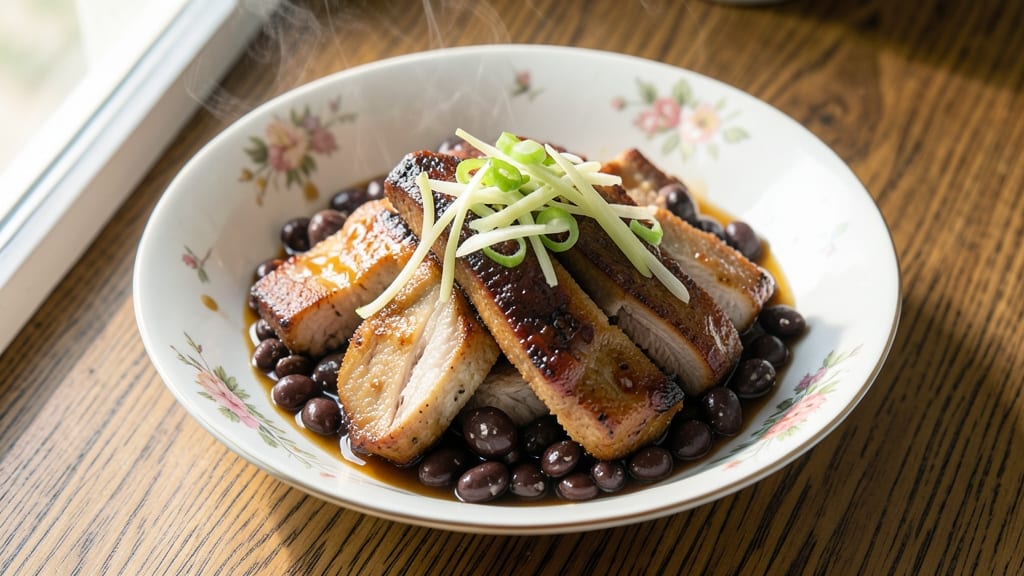
This steamed pork ribs recipe with fermented black beans delivers a deep, umami-rich flavor profile that transforms simple ingredients into a restaurant-worthy dish. The marriage of tender pork ribs and fermented black beans creates a savory bite that's impossible to resist, all while keeping the process straightforward in one pot.
I perfected this technique after years of experimenting with Chinese-style braised dishes, and the results speak for themselves.
The beauty of this recipe lies in its simplicity and depth of flavor. Fermented black beans add a complex, slightly funky umami that pairs perfectly with the natural sweetness of the pork.
Steaming the ribs ensures they stay tender and juicy, while the black beans release their rich flavors into the broth. This method requires just 45 minutes of active time, with most of the work happening during the steaming process.
What you'll end up with is a dish that's equally impressive as a main course or hearty side dish. The pork ribs will be fork-tender with just enough bite, while the fermented black beans contribute a depth of flavor that elevates everything.
The aroma alone will have everyone gathering around your table, and each bite delivers that perfect balance of savory, umami, and subtle sweetness.
Serve this dish with steamed jasmine rice or noodles to soak up every last bit of flavorful broth. The combination creates a complete meal that's both satisfying and elegant. Let's get started on this umami-packed creation that will become a regular in your recipe rotation.
Ingredients for steamed pork ribs with fermented black beans
Pantry staples meet authentic Asian flavors in this one-pot steamed pork ribs recipe.
| Ingredient | Amount | Notes |
|---|---|---|
| Pork Ribs 🥩 | 2 lb | Bone-in, cut into 2-inch pieces |
| Fermented Black Beans 🫘 | ½ cup | Packed, drained and rinsed |
| Fresh Ginger Root 🧅 | 2 tbsp | Grated, peeled |
| Green Onions 🧅 | 4 whole | Cut into 1-inch pieces |
| Light Soy Sauce 🍶 | ¼ cup | Kikkoman preferred |
| Shaoxing Wine 🍷 | ¼ cup | Or dry sherry substitute |
| Brown Sugar 🍯 | 2 tbsp | Light or dark |
| Garlic Cloves 🧄 | 6 cloves | Minced |
| Sesame Oil 🫒 | 1 tbsp | Toasted, for aroma |
| White Peppercorns 🌶️ | ½ tsp | Ground, not salt |
| Star Anise 🌟 | 2 whole | Lightly crushed |
| Jasmine Rice 🍚 | 2 cups | Uncooked, for serving |
| Water 💧 | 4 cups | For steaming |
The fermented black beans are the flavor backbone here. Asian markets carry the best quality—look for dark, plump beans with a slightly funky aroma. Trader Joe's often stocks them too. If you can't find them, black soybeans work in a pinch, but fermented delivers that unmatched umami. The ginger should be fresh and firm—no shriveled roots. For the pork ribs, bone-in cuts stay juicier during steaming. Most butchers will cut them for you if you ask, or grab pre-cut ribs from the meat counter. The Shaoxing wine adds depth—substitute dry sherry if unavailable, but don't skip the alcohol entirely.
No Shaoxing wine? Dry vermouth or even a splash of balsamic vinegar works in a bind. The sesame oil is non-negotiable for aroma—toast it lightly before adding to release the nutty flavors. Star anise is key for that subtle licorice note, but if you're avoiding it, a pinch of cinnamon adds warmth. For the soy sauce, Kikkoman or Pearl River Bridge brands are reliable. The brown sugar can be swapped for honey or coconut sugar, though light brown will give you more caramel notes. The green onions should be cut into 1-inch pieces—they'll soften during steaming but still add freshness at the end.
This dish reheats beautifully—just add a splash of water and steam for 10 minutes. The ribs keep 3-4 days in the fridge, though they're best the first day. For meal prep, portion the rice and ribs separately—reheat components separately to avoid soggy rice. The broth reduces significantly, so make extra if you plan to use it for other dishes. Freezes well for up to 3 months—just thaw in the fridge overnight before reheating.
Why You'll Love This Recipe
- Few Ingredients, Big Payoff: The pantry staples you already have—fermented black beans, ginger, soy sauce—do all the heavy lifting. No fancy marinades or last-minute shopping trips. Just slice, steam, and let the umami magic happen.
- Ginger-Soy Kick: That first bite? The ginger’s sharp bite cuts through the ribs’ natural richness while the soy sauce ties everything together in a way that’s ridiculously satisfying. Honestly, I’ve tried fancier sauces, but this combo never lets me down.
- Lunchbox Hero: Pack these for work or school—they reheat beautifully and taste just as good cold. My son actually asks for them now, and that’s saying something after years of "ew, pork ribs."
- Budget Meal Maker: Pork ribs are cheaper than you think, and fermented black beans stretch the flavor without breaking the bank. I’ve made this feed six people for under $15—no guilt, all flavor. (Yes, even on a Tuesday night.)
Step-by-step instructions for steamed pork ribs with fermented black beans
Here's how to create tender, aromatic ribs infused with fermented black beans and aromatic spices.
Prepare the Pork Ribs and Aromatics
Rinse the 2 lb pork ribs under cold water and pat them completely dry with paper towels. Cut them into 2-inch pieces, ensuring you keep the meat attached to the bones for maximum flavor. In a large bowl, combine the drained and rinsed 0.5 cup fermented black beans, the 2 tbsp grated fresh ginger root, 4 whole green onions cut into 1-inch pieces, the 6 cloves minced garlic, and the 2 whole lightly crushed star anise. Mix well to distribute the aromatics evenly.
This preparation creates a flavorful marinade that will penetrate the ribs during steaming. The fermented black beans add their signature umami depth while the ginger and garlic build aromatic complexity. Make sure all ingredients are evenly distributed—this ensures consistent flavor in every bite.
Assemble the Steaming Ingredients
In a heatproof steamer basket that fits inside your largest pot, arrange the pork rib pieces in a single layer. Pour the 0.25 cup light soy sauce and 0.25 cup shaoxing wine over the ribs, then sprinkle evenly with the 2 tbsp brown sugar and 0.5 tsp ground white peppercorns. Add the prepared bean mixture from Step 1, making sure it nestles between the ribs.
Place the steamer basket over a pot filled with 4 cups water. Bring the water to a gentle simmer—you should see small bubbles forming at the bottom but no vigorous boiling. The steam should rise steadily but not be so intense that it condenses immediately on the lid. This controlled heat is crucial for tenderizing the ribs without making them rubbery.
Steam Until Tender
Cover the pot with a tight-fitting lid and steam the ribs over medium heat for 1 hour and 15 minutes. After the initial 45 minutes, check the water level and add more boiling water if needed to maintain the steam. The ribs are done when they easily pull apart with two forks and the meat is fork-tender with no resistance.
During this time, the fermented black beans will release their deep umami flavors while the aromatics infuse the ribs. The liquid in the pot will reduce slightly, creating a concentrated sauce that clings to the meat. Don't be tempted to peek—the escaping steam will lower the internal temperature and prolong cooking time.
Prepare the Jasmine Rice
While the ribs steam, prepare the 2 cups jasmine rice according to package instructions using fresh water. I prefer rinsing the rice thoroughly before cooking to remove excess starch, which helps prevent a gummy texture. Cook the rice until just tender—it should have a slight bite to it when you press between your fingers.
For extra flavor, you can add the 1 tbsp toasted sesame oil to the cooked rice during the final stir. This step ensures your rice is perfectly complemented by the rich, savory ribs. The sesame oil adds a nutty aroma that pairs beautifully with the umami profile of the dish.
Finish and Serve
Once the ribs are perfectly tender, remove them from the steamer and arrange them on a platter. Drizzle with any reduced sauce from the steaming process and garnish with additional green onions if desired. Serve immediately alongside the freshly cooked jasmine rice for a complete meal.
The ribs should be moist, tender, and infused with the deep flavors of fermented black beans and aromatic spices. Each bite should offer a perfect balance of savory, slightly sweet, and umami-rich elements. This dish delivers restaurant-quality results with minimal effort, making it ideal for weeknight dinners or special occasions.
Pro Tips For Making Steamed Pork Ribs With Fermented Black Beans
- Parboil First: DESCRIPTION:
- Rinse the Beans: DESCRIPTION:
- Layer Ginger Slices: DESCRIPTION:
- Finish with Soy Sauce: DESCRIPTION:
Common mistakes when making perfect results
Over-Steaming the Ribs
One of the biggest mistakes I see is over-steaming the ribs, which turns them from tender to mushy. The ribs are done when they easily pull apart with two forks after 1 hour and 15 minutes—no longer!
Overcooking releases collagen and turns the meat into a sad, waterlogged mess. Set a timer and resist the urge to peek—every time you lift the lid, you release steam and extend cooking time. 🌡️
Skipping the Drainage Step
Never skip draining and rinsing the fermented black beans before using them. The excess brine can make your dish overly salty and dilute the umami flavors. After draining, rinse them under cold water to remove any residual saltiness.
I've made this mistake—trust me, your dish will thank you for the extra 30 seconds of prep time. The beans should be packed but not swimming in liquid when you measure them.
Using Non-Bone-In Ribs
Bone-in pork ribs are essential for maximum flavor and tenderness. The bones act as flavor anchors, infusing the meat with rich, gelatinous goodness during steaming.
If you must use boneless ribs, compensate by adding an extra 10-15 minutes to the steaming time and including an additional 1 cup bone broth in the steaming liquid. The broth helps replicate the flavor depth lost without bones.
Ignoring the Water Level
Many home cooks forget to maintain proper water levels during steaming. If the water boils dry, your ribs will steam unevenly and potentially burn. Check the water level after 45 minutes and add ½ cup boiling water if needed.
I keep a small pot of water nearby specifically for this purpose. The steam should be gentle but consistent—no violent boiling that would scald the ribs.
Substituting Fresh Black Beans
Fresh black beans simply won't deliver the same complex, funky umami flavor as fermented ones. The fermentation process creates deep, savory notes that are impossible to replicate with fresh beans. If you can't find fermented black beans, look for black soybeans at Asian markets—they're fermented and packed with flavor.
Avoid canned black beans, which lack the necessary depth and often contain preservatives that alter the taste.
Rushing the Resting Time
After removing the ribs from the steamer, resist the temptation to slice and serve immediately. Let them rest for 5-10 minutes to allow the juices to redistribute throughout the meat. I've learned this the hard way—serving ribs too soon leads to dry, stringy meat.
The resting time also lets the flavors meld together, creating that perfect umami harmony we're all after. 💫
Nutrition facts
Frequently asked questions
Can I substitute fermented black beans with something else?
Fermented black beans are essential for that signature umami depth, but you can use black soybeans (also fermented) from Asian markets. For a quick substitute, try ½ cup black beans soaked overnight—though they won't have the same funky complexity. Never use canned beans—they lack the fermentation flavor and often contain preservatives that alter the taste.
How do I know when the pork ribs are fully tender?
The ribs are done when they easily pull apart with two forks after 1 hour and 15 minutes of steaming. They should have no resistance and feel fork-tender. Overcooking beyond this time will make them mushy. Set a timer and avoid peeking—every time you lift the lid, you release steam and extend cooking time.
Can I make this dish ahead of time?
Yes! This dish reheats beautifully. Store the ribs and sauce in an airtight container in the fridge for 3-4 days. To reheat, steam for 10 minutes with a splash of water. For meal prep, portion the rice and ribs separately—reheat components separately to avoid soggy rice. It also freezes well for up to 3 months.
What's the best way to serve these steamed ribs?
Pair them with steamed jasmine rice to soak up the flavorful broth. For extra depth, drizzle with a splash of the reduced steaming liquid. Garnish with extra green onions and a sprinkle of toasted sesame seeds for texture. This dish works as both a hearty main or side—double the recipe for a crowd!
Why does my dish taste too salty?
Skipping the drainage step for fermented black beans is the most common cause. Always drain and rinse them thoroughly before using. If it's too late, balance the saltiness by adding 1 tbsp brown sugar or a splash of Shaoxing wine to mellow the flavors. The wine's acidity helps cut through excess salt.