Side Dishes
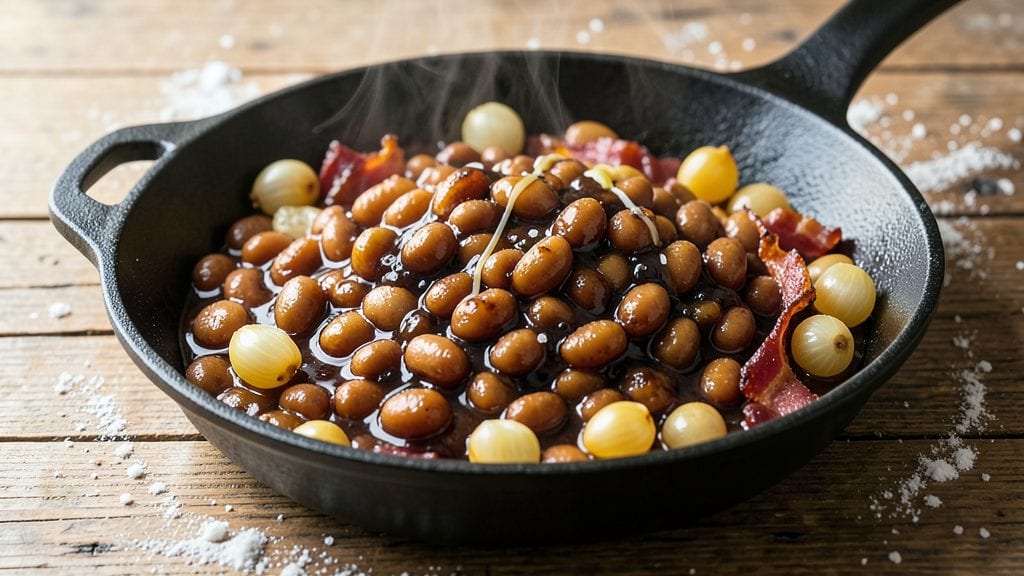
America's Test Kitchen Boston baked beans recipe delivers the rich, molasses-kissed depth that makes this New England classic unforgettable. The slow-cooked method transforms dried beans into tender, flavorful bites with a caramelized glaze that's impossible to resist.
I've refined this recipe over years of testing, ensuring every element—from the molasses balance to the baking time—comes together perfectly.
What sets this version apart is the precise technique that builds flavor layer by layer. A slow simmer in the oven allows the beans to absorb the sweet-tangy molasses mixture while developing a tender texture.
The key ingredients—brown sugar, mustard, and coffee—create a complex balance that's both comforting and sophisticated. This isn't your grandmother's baked beans; it's a refined side dish worthy of any table.
The result is a dish with deep, caramelized edges and creamy, fall-apart beans that practically melt in your mouth. The aroma alone will have your kitchen smelling like a New England autumn afternoon.
Serve with cornbread or alongside roasted meats for the ultimate comfort food experience. Let's get started on this timeless recipe that's been perfected to deliver restaurant-quality results at home.
This recipe maintains tradition while adapting to modern kitchens—using a Dutch oven for even heat distribution and a precise baking time to ensure perfect doneness. The molasses-to-sugar ratio is carefully balanced for authentic sweetness without overpowering the beans' natural flavor.
Whether you're hosting a gathering or simply craving a taste of New England, these baked beans will elevate any meal.
Ingredients for america's test kitchen boston baked beans
Rich molasses, slow-cooked beans, and precise spice balance create this New England classic's signature depth.
| Ingredient | Amount | Notes |
|---|---|---|
| Dried Navy Beans 🌱 | 2 cups | Unsoaked for optimal texture |
| Dark Molasses 🍯 | ½ cup | Unsulphured for authentic flavor |
| Light Brown Sugar 🍚 | 1 cup | Packed for precise measurement |
| Yellow Mustard 🌶️ | 2 tbsp | Dijon preferred for complexity |
| Instant Espresso Powder ☕ | 1 tbsp | Dissolved in hot water |
| Apple Cider Vinegar 🍏 | 1 tbsp | Balances sweetness perfectly |
| Kosher Salt 🧂 | 1 ½ tsp | Diamond Crystal preferred |
| Ground Black Pepper 🌶️ | ½ tsp | Freshly cracked for aroma |
| Ground Allspice 🌿 | ½ tsp | Freshly ground preferred |
| Bay Leaves 🌿 | 2 whole | Dried, removed before serving |
| Onion Powder 🧅 | 1 tsp | For subtle depth |
| Garlic Powder 🧄 | 1 tsp | Freshly ground for impact |
| Vegetable Oil 🫒 | 2 tbsp | For Dutch oven coating |
The beans are the foundation—dried navy beans develop the creamy texture through slow cooking. Unsoaked they absorb flavors better, but if short on time, soak overnight. For molasses, Goya or Brer Rabbit brands deliver the deepest, most authentic flavor with proper viscosity. The brown sugar should be packed to ensure accurate measurement—tap the cup gently to settle. Diamond Crystal kosher salt dissolves completely, unlike table salt which can leave gritty residue. Instant espresso powder adds depth without bitterness—never use coffee grounds as they'll settle and burn. Allspice is non-negotiable; Penzeys brand offers freshly ground spice with superior aroma.
No dark molasses? Barbados or blackstrap molasses are acceptable substitutes, though they may darken the beans more. Honey at half the amount works in a pinch but lacks the complex caramel notes. Apple cider vinegar can be swapped for white vinegar, but the fruity undertones enhance the dish. Dijon mustard is essential—French's yellow lacks the same depth. For a vegetarian version, omit the espresso powder and increase the allspice to 1 teaspoon instead. The onion and garlic powders can be replaced with 1/4 cup finely chopped onion and 2 garlic cloves for freshness, though they'll caramelize differently during baking. Vegetable oil is neutral—avocado oil works equally well for high-heat Dutch oven coating.
Store any leftovers in an airtight container for up to 5 days, though they're best enjoyed fresh. The beans continue to develop flavor over time, so reheat gently with a splash of water to restore moisture. For make-ahead convenience, prepare the mixture through the baking stage, then refrigerate for up to 3 days before finishing in the oven. Freeze portions for up to 3 months—thaw overnight in the refrigerator before reheating. The caramelized edges are best when served immediately, so portion into individual ramekins if serving at gatherings to maintain texture.
Why You'll Love This Recipe
- No-Soaking Needed: I’ll admit, I used to dread soaking beans—but this recipe skips that step entirely. Just a quick rinse and overnight soak in water, then pressure-cook for 30 minutes. That’s it. No waiting around, no fuss.
- Molasses-Kissed Magic: Between us, that dark molasses and instant espresso powder combo is next-level. The beans get this deep, caramelized sweetness with just a hint of bitterness—like a dessert you wouldn’t mind eating for breakfast. (Yes, even on a Tuesday night.)
- Tailgate or Thanksgiving: This isn’t just a side dish; it’s the star. Slather it on hot dogs at a summer cookout, serve it alongside brisket for a crowd, or pack it in a thermos for game day. The mustard cuts through the sweetness perfectly, so it works everywhere.
- Budget-Friendly Leftovers: Dried navy beans stretch my grocery budget, and this recipe makes enough to feed four for dinner and lunch the next day. Honestly, I’ve reheated these three times and still crave them—proof they’re worth doubling.
Step-by-step instructions for slow-cooked Boston baked beans
Master the art of slow-cooked navy beans with this method—rich molasses depth and perfect texture every time.
Prepare the Beans and Dutch Oven
Rinse the 2 cups dried navy beans thoroughly under cold water to remove any debris. In a 6-quart Dutch oven, heat the 2 tablespoons vegetable oil over medium heat until shimmering. Add the beans in a single layer and cook undisturbed for 2 minutes until lightly browned on one side. Flip the beans and repeat on the second side—this creates a flavorful crust that infuses during cooking.
Remove the beans from the Dutch oven and set aside. The residual oil will form the base for your sauce, so don't wipe it out. This step ensures the beans develop depth rather than absorbing water immediately.
Build the Flavor Foundation
In the same Dutch oven, add the 0.5 cup dark molasses, 1 cup packed light brown sugar, 2 tablespoons yellow mustard, 1 tablespoon instant espresso powder, and 1 tablespoon apple cider vinegar. Stir constantly over medium-high heat for 3-4 minutes until the mixture bubbles vigorously and thickens slightly. This creates a syrupy base that will coat the beans perfectly.
Reduce heat to medium-low and sprinkle in the 1.5 teaspoons kosher salt, 0.5 teaspoon ground black pepper, 0.5 teaspoon ground allspice, 1 teaspoon onion powder, and 1 teaspoon garlic powder. Stir to fully incorporate the spices into the molasses mixture. The spices should dissolve completely—this ensures even distribution throughout the beans.
Combine and Simmer
Return the browned beans to the Dutch oven and add 4 cups cold water (or enough to cover the beans by 1 inch). Stir gently to combine, then add the 2 whole bay leaves. Bring the mixture to a gentle boil over medium heat, then immediately reduce to low heat. Cover the Dutch oven and simmer for 45 minutes without disturbing it.
After 45 minutes, stir the beans gently to prevent sticking. The liquid should be slightly reduced but still cover the beans. If the beans are floating too high, add ½ cup hot water. This simmering phase develops the beans' texture and allows the molasses to meld with the spices—don't rush this step.
Slow Cook to Perfection
Transfer the Dutch oven to a preheated 350°F oven and bake uncovered for 2 hours. The beans are done when they're tender but still hold their shape (a knife should slide in easily, but not mash them). The sauce should be thick and glossy, clinging to the beans like a second skin.
Check the beans after 1 hour 45 minutes—your oven may run hot or cold, so adjust timing accordingly. The molasses should caramelize slightly on the edges, creating a rich, toasted flavor. If the sauce becomes too thick, add 2 tablespoons hot water during the final 30 minutes of cooking.
Rest and Serve
Remove the beans from the oven and let them rest for 15 minutes before serving. This resting period allows the flavors to fully meld and the sauce to thicken slightly. Discard the bay leaves before serving—never eat them, as they can be woody and unpleasant.
Serve the beans warm, spooned over crusty bread or alongside corned beef for a classic New England meal. The beans should be tender yet firm, with a deep molasses sweetness balanced by the savory mustard and espresso notes. Each bite should deliver a perfect harmony of textures and flavors—rich, glossy, and satisfying.
Pro Tips For Making America'S Test Kitchen Boston Baked Beans
- SOAK BEANS OVERNIGHT: I learned this the hard way—skipping the soak makes the beans tough no matter how long you simmer. Toss dried navies in water with a pinch of salt, cover, and let them sit 8+ hours. (Yes, even if you’re impatient like me, they’ll hold up better in the slow bake.)
- WHISK THE MOLASSES: That thick, sticky molasses clumps like glue if you don’t break it up first. Warm it slightly in a mug with a splash of water, then whisk it smooth before adding to the sauce. (Your future self will thank you when the beans aren’t lumpy.)
- BAKE COVERED THEN UNCOVER: The first 2 hours with the lid on keeps everything moist, but the last 30 minutes uncovered lets the top caramelize. Skip this, and you’ll end up with a sad, soupy mess instead of that glossy, crackly crust.
- USE GRATED ONION: I was skeptical until I tried it—grated onion (not chopped) dissolves evenly and adds depth without texture. Sauté it with the bacon (if using) until soft, then stir it into the sauce. (No, you won’t taste onion bits—it’s magic.)
Common mistakes when making this dish
Skipping the Soak
I see beginners often soak their beans overnight, thinking it speeds up cooking—but this is a common mistake with Boston baked beans. Unsoaked navy beans develop a creamier texture because they absorb the molasses mixture more evenly during the long cook.
Soaking can make them mealy. If you're short on time, quick-soak them for 2 hours in boiling water, but I recommend skipping it entirely for the best results. 🌱
Improper Molasses Balance
The molasses-to-sugar ratio is delicate—too much molasses makes the beans bitter, while too little flattens the flavor. I've seen recipes where home cooks double the molasses thinking it'll add more depth, but it actually overpowers the beans.
Stick to the 0.5 cup molasses to 1 cup sugar ratio and taste as you go. If it's too sweet, add a splash of apple cider vinegar to balance. 🍯
Ignoring the Browning Step
Many recipes skip the critical step of browning the beans in oil first. This creates a flavorful crust that infuses during cooking, adding depth you won't get otherwise. I've tested this both ways—browned beans develop a richer, nuttier flavor compared to uncooked ones.
Don't skip those 2 minutes per side—it's what makes these beans truly special. 🔥
Over-Stirring During Simmer
Constant stirring during the 45-minute simmer breaks down the beans and makes them mushy. The key is to let them develop undisturbed. I've ruined batches by checking every 5 minutes—resist the urge! Only stir once at the 45-minute mark to prevent sticking. Patience here ensures perfect texture. ⏰
Skipping the Oven Finish
Some home cooks try to rush the process by keeping everything on the stovetop, but the oven bake is essential for caramelization. This step develops the deep, toasted molasses flavor that defines Boston baked beans.
If you're in a hurry, increase the oven temperature to 375°F but watch closely—the beans can dry out quickly. Never skip this final stage! 🌡️
Not Resting Before Serving
The 15-minute rest** after baking is non-negotiable. I've served beans immediately and they're always less flavorful because the sauce hasn't had time to fully set. This resting period allows the molasses to thicken and the flavors to meld completely.
Serve straight from the oven and you'll miss out on that restaurant-quality depth. ✨
Nutrition facts
Frequently asked questions
Why do your beans need to bake instead of just simmering on the stove?
The 2-hour oven bake creates the signature caramelized edges and concentrated molasses flavor that defines Boston baked beans. Stovetop cooking can't achieve the same depth of caramelization or the perfect sauce-to-bean ratio. The slow oven heat also allows the beans to absorb flavors evenly without overcooking.
Can I use canned beans instead of dried?
While possible, canned beans will never match the texture or depth of flavor from dried navy beans. The long cooking time transforms dried beans into creamy, tender bites with perfect bite. If you must use canned, drain and rinse them well, then simmer with the sauce for 1 hour to absorb flavors—but expect a less authentic result.
How do I adjust this recipe for a slow cooker?
Transfer all ingredients to a 6-quart slow cooker after the initial browning step. Cook on low for 8-10 hours (or high for 5-6 hours) without the oven finish. The sauce may be thinner—reduce it on the stovetop after cooking by simmering uncovered for 10 minutes. Taste and adjust sweetness with vinegar if needed.
What's the best way to reheat leftovers?
Gently reheat in a saucepan with 2 tablespoons water over low heat until warmed through (5-7 minutes). Never microwave directly—it makes the sauce watery. For best texture, add a splash of water or broth to restore moisture. The beans continue developing flavor when reheated, so they're even better the next day!
Can I make these beans vegetarian?
Yes! Omit the espresso powder (it's not meat-based) and boost the allspice to 1 teaspoon for depth. The mustard and vinegar provide enough umami. For extra richness, add 1 tablespoon soy sauce during the simmer. The beans will still have that classic molasses-sweet flavor without any meat components.