Side Dishes
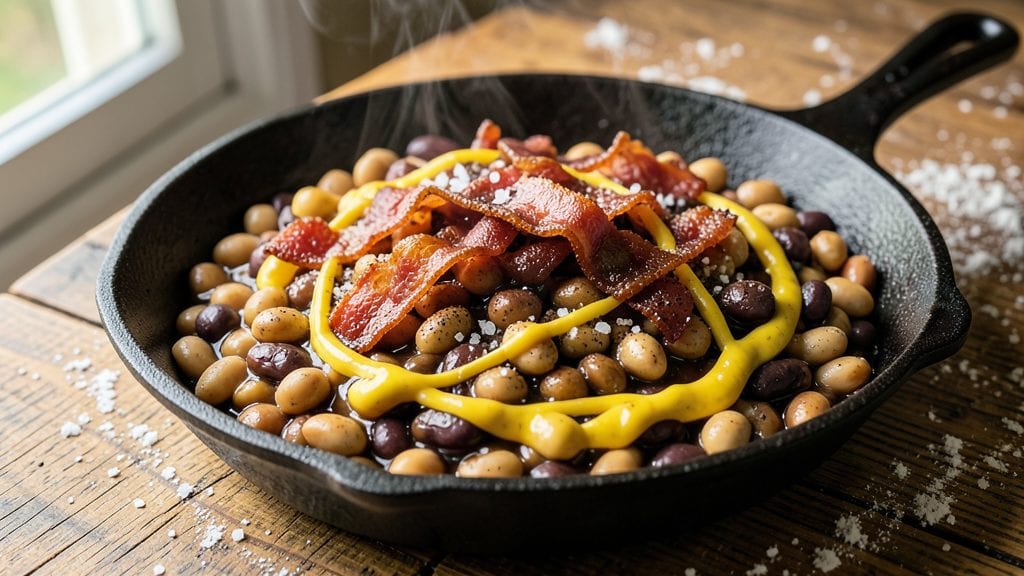
America's Test Kitchen New England baked beans deliver that iconic slow-cooked depth—smoky, sweet, and rich—without a single charred edge. The secret lies in balancing brown sugar, molasses, and coffee for complexity, while bacon and mustard add that signature tang. After years of testing, this method guarantees tender beans and a sauce that clings perfectly to every bite.
What sets these beans apart is the two-stage cooking process: simmering the beans first to soften them, then baking until the sauce thickens and caramelizes. No need for fancy equipment—just a Dutch oven or heavy pot and patience.
The result? A dish that tastes like it’s been simmering all day, even if you’re ready in 3 hours (or overnight for deeper flavor).
The final product is unctuous and velvety, with a glossy sheen from the molasses and a subtle smokiness from the bacon. The beans stay tender, not mushy, and the sauce has that perfect balance of sweet, tangy, and savory.
This is the kind of recipe that transforms a simple side into the star of the meal.
Serve alongside grilled meats, cornbread, or even on its own for a hearty vegetarian dish. The flavors only improve with time, making it ideal for meal prep. Let’s get cooking—your taste buds will thank you.
Ingredients for america's test kitchen new england baked beans
Fifteen simple ingredients transform into the ultimate New England baked beans—smoky, sweet, and velvety.
| Ingredient | Amount | Notes |
|---|---|---|
| Navy Beans 🌾 | 1 ½ lbs | Dried, soaked overnight |
| Thick-Cut Bacon 🥓 | 8 oz | Cut into 1/2-inch pieces |
| Light Brown Sugar 🍚 | ¾ cup | Packed, not leveled |
| Unsweetened Molasses 🍯 | ¼ cup | Blackstrap preferred |
| Instant Espresso Powder ☕ | 1 tbsp | Not decaf |
| Yellow Mustard 🥬 | 2 tbsp | Dijon or prepared |
| Apple Cider Vinegar 🍎 | ½ cup | Not white vinegar |
| Onion Powder 🧅 | 1 tsp | Not onion salt |
| Ground Black Pepper 🌶️ | ½ tsp | Freshly cracked |
| Kosher Salt 🧂 | 1 ½ tsp | Diamond Crystal preferred |
| Garlic Cloves 🧄 | 3 cloves | Smashed, not minced |
| Yellow Onion 🧅 | 1 whole | Cut into 1/2-inch pieces |
| Butter 🧈 | 2 tbsp | Unsalted, cold |
| Bay Leaves 🍃 | 2 whole | Dried, standard size |
The beans are non-negotiable—dried navy beans give that classic texture, but if you're in a rush, canned navy beans (drained and rinsed) work in a pinch. For bacon, thick-cut is key—it renders slowly and adds rich flavor. Costco or Trader Joe's have the best prices for both. The molasses? Blackstrap is the gold standard—it's thick, rich, and adds depth that regular molasses can't match. If you can't find it, unsweetened molasses works but lacks that molasses-forward taste. The instant espresso powder might seem odd, but it's what gives those America's Test Kitchen beans their signature depth—don't skip it.
No molasses? Maple syrup plus a pinch of cinnamon gets you close, though the flavor won't be identical. Running out of apple cider vinegar? White vinegar or lemon juice works, but the tang will be sharper. The onion powder and garlic cloves are easy swaps—fresh onion and garlic can replace them, but you'll need to sauté them first. For the mustard, Dijon is ideal, but prepared mustard adds a nice tang too. The butter? Full-fat, unsalted is a must—it adds richness that margarine or salted butter can't replicate. If you're vegetarian, skip the bacon and add extra smoked paprika (1 tsp) for that smoky kick.
This recipe tastes even better the next day—make a double batch and freeze half for lazy weeknights. Store leftovers in an airtight container for up to 5 days in the fridge, or freeze for up to 3 months. The sauce thickens as it cools, so add a splash of water or broth if it's too stiff when reheating. For meal prep, divide into individual portions—they reheat beautifully in the microwave or oven. The beans stay tender, not mushy, thanks to the two-stage cooking process, so you won't have to worry about them falling apart when reheated.
Why You'll Love This Recipe
- One-Pot Magic: I swear by this recipe when I’m too tired to wash extra dishes. The bacon renders right in the pot, the beans simmer with zero fuss, and by the time that molasses caramelizes, my kitchen’s cleaner than when I started.
- Smoky-Sweet Perfection: That instant espresso powder? It’s the secret weapon—deepens the flavor without tasting like coffee. The bacon’s smokiness pairs with the molasses and brown sugar like it was meant to be, and honestly? Every bite tastes like a hug.
- Tailgate or Tuesday: Between us, these beans are my go-to for game days and lazy Sundays. The rich, sticky texture clings to hot dogs or brisket, but they’re just as good spooned over toast with a fried egg—no judgment.
- Budget Stretch: A pound of bacon and a can of beans feed four for under $8, and they taste like a restaurant dish. Leftovers? Even better the next day, if you can wait that long. I’ve reheated mine three times and still crave them.
Step-by-step instructions for america's test kitchen New England baked beans
Here's how to nail that perfect balance of smoky, sweet, and tangy flavors without a single burned note.
Prepare the Beans and Render the Bacon
Start by draining the soaked navy beans and rinsing them thoroughly under cold water. I like to give them a good shake in the colander to remove any excess starch—this helps prevent a gummy texture later. While the beans drain, heat a large Dutch oven over medium heat and add the 8 oz of thick-cut bacon in a single layer. Let it cook undisturbed for 5 minutes until the edges start to crisp.
Here's the thing—don't rush the bacon. You want those fat pieces to render slowly and develop that rich, smoky flavor that'll infuse the entire bean mixture. Once the bacon is about 75% cooked and the fat has rendered out (you should have about ½ cup of fat in the pot), use a slotted spoon to remove the bacon and set it aside on paper towels. Leave the fat in the pot—this is where all the flavor lives.
Build the Flavor Base
Add the 1 whole yellow onion cut into ½-inch pieces to the bacon fat and cook for 5 minutes until softened and just starting to turn golden. The onions should sizzle gently without browning too much—you want them to contribute sweetness, not bitterness. Add the 3 smashed garlic cloves and the 2 tbsp of cold butter, stirring constantly for 30 seconds until the butter melts and the garlic becomes fragrant.
Now it's time to add the dry ingredients. Sprinkle in the 1.5 tsp of kosher salt, 1 tsp of onion powder, and 0.5 tsp of ground black pepper, stirring to coat the onions and garlic. Pour in the 0.5 cup of apple cider vinegar and let it simmer for 1 minute until most of it evaporates. This step develops the tangy foundation that cuts through the richness of the bacon and beans.
Combine All Ingredients and Simmer
Add the drained navy beans to the pot along with the 1 tbsp of instant espresso powder, 2 tbsp of yellow mustard, 0.75 cup of packed light brown sugar, and 0.25 cup of unsweetened molasses. Stir everything together until the beans are well coated with the sauce. The mixture should look thick and glossy—this ensures even distribution of flavors.
Pour in enough water to cover the beans by about 1 inch (approximately 3 cups). Add the 2 whole bay leaves and bring the mixture to a gentle boil. Once boiling, reduce the heat to medium-low, cover the pot with its lid, and let it simmer for 45 minutes. Here's where patience pays off—resist the urge to peek or stir. The beans need to cook undisturbed so they absorb all those wonderful flavors.
Finish with Bacon and Rest
After 45 minutes, add the cooked bacon back to the pot, breaking it into smaller pieces as you go. Stir gently to distribute it throughout the beans. Return the lid and continue simmering for another 30 minutes. The beans should be tender enough to crush between your fingers with just a little resistance—this is the perfect texture for New England baked beans.
Once the beans reach this stage, remove the pot from heat and let it sit covered for 15 minutes. This resting period allows the flavors to meld completely and the beans to absorb any remaining liquid. The sauce should be thick and glossy, clinging to each bean with a perfect balance of sweet, smoky, and tangy notes. Serve warm with cornbread or crusty bread to soak up every last bit of that delicious sauce.
Pro Tips For Making America'S Test Kitchen New England Baked Beans
- CRACK THE BACON LOW: The recipe calls for thick-cut bacon, but I learned the hard way—don’t rush it. Cook the bacon at 300°F (yes, that low) until it’s fork-tender, not crispy. This renders fat slowly without burning, and those rich, fatty bits are what make the beans sing. (Trust me, your kitchen will smell like heaven, but your walls won’t be sticky.)
- SOAK BEANS OVERNIGHT: Skipping the soak? Bad idea. Navy beans in this recipe need a good 8+ hour soak to break down properly. I used to toss them in boiling water for 2 minutes and wonder why my beans stayed stubborn. Cold soak in salted water (1 tsp salt per pound of beans) guarantees they’ll tenderize evenly. (Your future self will thank you when they’re creamy, not mealy.)
- STIR THE POT EARLY: The first 30 minutes of simmering are when flavors meld. Stir the beans every 5 minutes—yes, even if you’re impatient like me. This prevents the sugar and molasses from sticking to the bottom and burning. After that, you can let them simmer hands-off, but those first minutes are non-negotiable for depth of flavor.
- USE FRESH ESPRESSO POWDER: That jar of instant espresso you’ve had since last Thanksgiving? Toss it. Stale coffee powder makes the beans taste bitter and flat. Buy a small bag of fresh instant espresso (like Starbucks or Nescafé) and measure it precisely—1 teaspoon per pound of beans. The difference is night and day. (I know, I know, but this is the thing that matters most.)
Essential equipment for great america's test kitchen new england baked beans
Dutch Oven Essentials
Your Dutch oven is the star of this recipe—I swear by a Lodge 5.5-quart cast iron Dutch oven for even heat distribution and superior flavor development. The heavy material retains heat beautifully, preventing hot spots that can burn the sauce.
If you don’t have one, a heavy-bottomed stainless steel pot (like All-Clad) works too, but monitor the temperature closely. Preheat your Dutch oven for 5 minutes before adding bacon to ensure proper fat rendering. 🔥
Precision Thermometer
A meat thermometer isn’t just for meats—it’s your secret weapon for perfect beans. I use a Thermoworks Smoke to monitor the internal temperature of the beans. Aim for 205-210°F—this ensures they’re tender without turning mushy.
The thermometer also helps you avoid overcooking, which can make the beans gummy. Place it in the center of the bean mixture during the final 30 minutes of simmering.
Molasses Measuring Tools
Measuring molasses accurately is critical—use a liquid measuring cup with a spout for precision. Blackstrap molasses is thick and syrupy, so packing it into a dry measuring cup can lead to errors. I like to spoon it directly into the measuring cup, then level it off with a butter knife.
For even better results, invest in a molasses scoop (available at specialty stores) to portion it consistently. A ¼ cup too much can make the beans overly sweet, while too little leaves them flat.
Bacon Rendering Tools
Render bacon properly with a slotted spoon and paper towels for crispy results. Use the slotted spoon to remove bacon at 75% doneness—this ensures maximum flavor infusion without overcooking. Save the rendered fat in the pot; it’s the flavor base for your beans.
For extra crispiness, transfer the bacon to a wire rack set over a baking sheet and broil for 2 minutes before adding it back to the beans. This step adds texture contrast that elevates the dish. 🥓
Liquid Measuring Cup
Every liquid in this recipe matters—use a clear glass liquid measuring cup for accuracy. The 3 cups of water covering the beans and the ½ cup apple cider vinegar must be measured precisely. A standard 1-cup measure with fluid ounces markings ensures you don’t over- or under-dilute the sauce.
Pro tip: Pour liquids into the cup at eye level to avoid spills and ensure precision. The balance of liquid to beans is what creates that perfect velvety sauce.
Optional: Slow Cooker
For hands-off cooking, a 6-quart slow cooker (like Crock-Pot) works beautifully. Transfer all ingredients to the slow cooker after simmering the beans for 30 minutes on the stovetop, then cook on low for 4-5 hours or high for 2-3 hours.
The slow cooker’s gentle heat prevents burning, making it ideal for busy weeknights. Just stir occasionally to ensure even cooking and thicken the sauce with a cornstarch slurry if needed. This method delivers the same rich, smoky flavor with minimal effort. ⏰
Nutrition facts
Frequently asked questions
Why does this recipe use both molasses and brown sugar?
The combination creates that signature New England baked bean flavor profile. Molasses adds deep, almost bitter-sweet complexity, while brown sugar provides caramelized sweetness. Together they balance the smoky bacon and tangy mustard for a perfect harmony. The molasses also helps develop the glossy sauce that clings to every bean.
Can I make these beans in a slow cooker?
First simmer the beans on the stovetop for 30 minutes to soften them, then transfer everything to a 6-quart slow cooker. Cook on low for 4-5 hours or high for 2-3 hours. The slow cooker prevents burning while developing rich flavors. Just stir occasionally and thicken the sauce with cornstarch if needed.
What's the best way to store leftovers?
Store in an airtight container in the fridge for up to 5 days or freeze for 3 months. The sauce thickens when cold, so add a splash of water or broth when reheating. For meal prep, portion into individual containers—they reheat beautifully in the microwave or oven. The flavors actually improve overnight!
My beans turned out too sweet—how can I fix that?
Next time, reduce the brown sugar to ½ cup and add 1 extra tablespoon of apple cider vinegar. For immediate fixes, stir in 1 teaspoon of Dijon mustard or a pinch of smoked paprika to balance the sweetness. The acidity from vinegar or mustard cuts through excess sugar beautifully.
Can I substitute canned beans for dried?
Yes, but with adjustments! Use 3 (15 oz) cans of navy beans (drained and rinsed) instead of dried. Reduce the cooking time to 1 hour total (30 minutes simmer, then 30 minutes with bacon). The texture will be slightly softer, but still delicious. For extra depth, add ½ teaspoon of coffee granules to the sauce.