
Sauces & Condiments
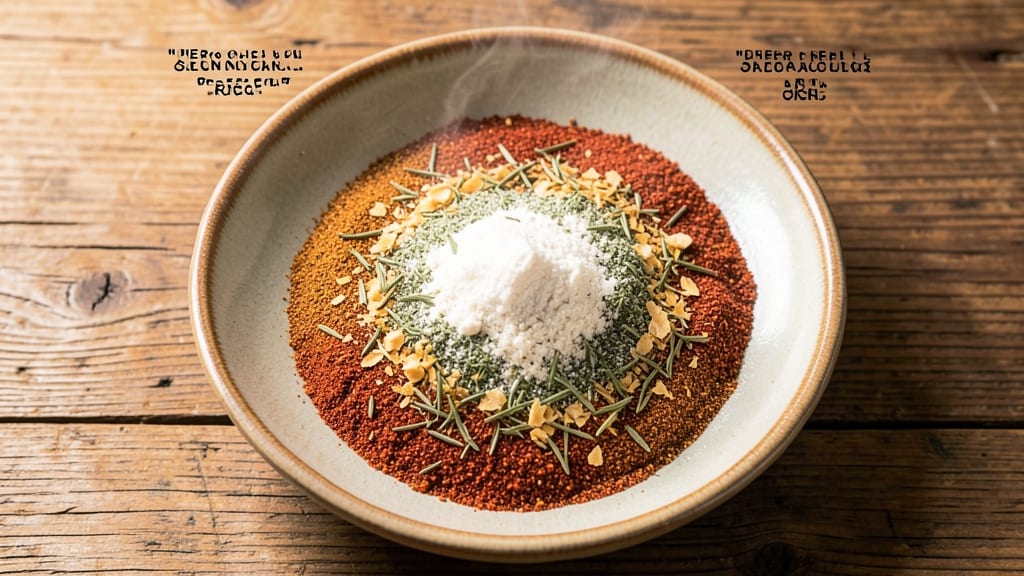
This bean seasoning recipe transforms ordinary beans into something extraordinary with just a sprinkle—no fancy techniques required. The blend of smoky paprika, earthy cumin, and warm garlic powder creates depth that elevates everything from refried beans to salads.
I developed this mix after realizing how often I reached for the same spices, so I combined them into one jar for convenience and consistency.
The beauty of this seasoning lies in its versatility. A single tablespoon enhances canned beans, baked dishes, or even roasted vegetables, cutting prep time without sacrificing flavor. Each ingredient plays a role—paprika adds warmth, cumin brings earthiness, and garlic powder ensures every bite has that savory punch.
The blend stays fresh for months in an airtight container, making it a pantry staple.
What you'll achieve is restaurant-quality flavor with minimal effort—no complicated steps, just measure, mix, and store. The spices work together to create a harmonious balance that works in both traditional recipes and modern twists.
Whether you're making beans for tacos, soups, or side dishes, this seasoning will become your go-to for adding depth instantly.
Perfect for meal prep, batch cooking, or last-minute flavor boosts, this blend adapts to any bean dish. Let's create something that simplifies your cooking while elevating your meals—one sprinkle at a time.
Ingredients for bean seasoning
Eight spices, one jar—transforms bland beans into restaurant-worthy flavor with zero effort.
| Ingredient | Amount | Notes |
|---|---|---|
| Smoked Paprika 🌶️ | 2 tbsp | High-quality smoked for depth |
| Ground Cumin 🌿 | 1 ½ tbsp | Toasted for aromatic punch |
| Garlic Powder 🧄 | 1 ½ tbsp | Freshly ground preferred |
| Onion Powder 🧅 | 1 tbsp | Diamond Crystal preferred |
| Dried Oregano 🍃 | 1 tsp | Mexican oregano ideal |
| Ground Coriander 🌿 | 1 tsp | Freshly ground for brightness |
| Black Pepper 🌶️ | ½ tsp | Freshly cracked preferred |
| Bay Leaves 🍃 | 1 tsp | Dried, crushed lightly |
| Sea Salt 🧂 | 1 tsp | Fine grain preferred |
| Cayenne Pepper 🔥 | ¼ tsp | Adjust for heat preference |
The paprika is the star here—smoked variety gives that authentic beanhouse aroma. Penzeys or bulk bins at Whole Foods carry the best quality, but any reputable grocery store should have it. Cumin needs to be toasted for maximum flavor: dry-toast in a pan for 30 seconds until fragrant, then grind. The garlic powder should be freshly ground—pre-ground loses potency fast. For the onion powder, Diamond Crystal kosher dissolves better than table salt blends. I always triple-check my spices for moisture or clumping before mixing.
No smoked paprika? Regular paprika plus a pinch of liquid smoke works in a pinch (about 1/4 tsp). Swap Mexican oregano for regular dried if needed—just double the amount. Coriander too strong? Skip it entirely or use half the amount. The bay leaves should be crushed lightly between your fingers before adding to release their oils. For heat, red pepper flakes at half the amount of cayenne work well. Store-bought bean seasoning packets? This blend beats them every time—no preservatives, just pure spice.
This blend stays potent for 6-12 months in an airtight container, away from light. I keep mine in a amber glass jar on the spice rack. For extra freshness, add a bay leaf to the jar—it doubles as a freshness indicator. Portion into smaller containers if you use it frequently. Perfect for meal prep—just sprinkle on beans, roasted veggies, or even popcorn for a savory twist.
Why You'll Love This Recipe
- Five-Minute Mix: I swear, this is the kind of seasoning I can measure while scrolling through my phone. Just dump those spices—smoked paprika, cumin, the works—and stir. No fancy techniques, no waiting for anything to bloom. Honestly, my lazy Sundays thank me every time.
- Deep, Smoky Hug: That smoked paprika? It’s like a warm blanket for your taste buds. The cumin adds this earthy kick, while the garlic and onion powders make it taste like you actually cooked something. (Between us, it tricks people into thinking I spent hours.)
- Works Everywhere: Slap it on beans, toss it in rice, or even sprinkle it over roasted veggies—this stuff elevates everything. I’ve used it for tacos, soups, even scrambled eggs, and no one’s ever complained. (My roommate still steals my jar when I’m not looking.)
- Pantry Goldmine: A little goes a long way, and since it’s just spices, it won’t spoil. I’ve had this blend sitting in my cabinet for months, and it’s still the secret weapon in my budget-friendly meals. Plus, it’s cheaper than takeout—no contest.
Step-by-step instructions for bean seasoning recipe
Create this robust, aromatic blend that transforms simple beans into restaurant-quality dishes.
Prepare Your Workspace and Equipment
Start by gathering all your ingredients and a small mixing bowl. I like to use a fine-mesh strainer for this process—it helps remove any bay leaf fragments later. Lightly crush the 1 teaspoon of dried bay leaves between your palms or with a rolling pin. This releases their aromatic oils and ensures even distribution throughout the blend.
Place the crushed bay leaves in the mixing bowl first. The reason for this order is simple: bay leaves are large and need to be broken down before combining with finer powders. You'll notice their piney aroma intensify as you work, setting the foundation for the complex flavor profile.
Combine the Ground Spices
Add the 2 tablespoons of smoked paprika to the bowl with the crushed bay leaves. This is where the magic begins—the smoky depth of the paprika will become the backbone of your seasoning. Next, incorporate the 1.5 tablespoons of garlic powder and 1.5 tablespoons of ground cumin, followed by 1 tablespoon of onion powder. I use a small whisk or fork to gently fold these ingredients together.
The mixture should begin to take on a rich, earthy hue as the spices blend. Here's where it gets interesting—the cumin and coriander will add warmth, while the garlic and onion powders contribute sweetness. Don't worry if it looks uneven at first; we'll blend it thoroughly in the next step. The key is to work quickly to prevent the spices from losing their fresh aroma.
Add the Remaining Seasonings
Now add the 1 teaspoon of dried oregano, 1 teaspoon of ground coriander, 0.5 teaspoon of black pepper, and 1 teaspoon of sea salt. Stir these ingredients into the mixture until completely combined. The coriander and oregano will introduce bright, citrusy notes that balance the earthiness of the cumin and paprika.
Finally, add the 0.25 teaspoon of cayenne pepper—this is where you can adjust for heat preference. If you're sensitive to spice, you might want to reduce this slightly or omit it entirely. The cayenne adds a subtle kick that enhances the overall complexity without overpowering the other flavors. At this stage, your seasoning should look like a rich, multi-hued powder with visible flecks of bay leaf.
Blend Thoroughly for Uniformity
Use a fork or small whisk to blend the mixture for 2-3 minutes, breaking up any remaining clumps and ensuring the crushed bay leaves are evenly distributed. You're looking for a consistent texture where no single ingredient stands out. The final blend should be smooth enough to sprinkle evenly over dishes but still retain some visible specks of bay leaf for visual appeal.
This is also the perfect time to taste your creation. Sprinkle a small amount onto your tongue—you should detect layers of smokiness, warmth, and subtle heat. If any flavor seems underrepresented, you can adjust by adding a pinch of the missing ingredient. Once satisfied, transfer the seasoning to an airtight container for storage.
Store and Use Your Seasoning
Transfer the finished seasoning to an airtight container, such as a small jar with a tight-sealing lid. Store it in a cool, dark place like your pantry, where it will maintain its freshness and flavor for up to 6 months. The airtight seal is crucial—it prevents moisture from dulling the spices and keeps them aromatic for longer.
When using this seasoning, I recommend starting with 1 tablespoon per pound of dried beans or 1 teaspoon per pound of fresh beans. Sprinkle it directly onto beans during cooking, or use it to season meats, grains, or even roasted vegetables. The beauty of this blend is its versatility—it elevates everything it touches with its deep, layered flavors. Once you've used it, you'll never go back to basic salt and pepper for your beans again.
Pro Tips For Making Bean Seasoning
- TOAST THE SPICES: Heat your smoked paprika and cumin in a dry pan for 30 seconds—just until you smell that deep, toasty aroma. I learned this the hard way: skipping this step means your seasoning will taste flat, like someone forgot to wake up the flavors. (Yes, even if you’re impatient like me.)
- MEASURE BY VOLUME: Use tablespoons, not teaspoons, for your powders—this recipe lives or dies by balance. I used to eyeball it and ended up with either a paprika bomb or a cumin ghost town. Start with 1 tbsp each of smoked paprika and cumin, then adjust.
- STORE IN AIRLESS CONTAINER: Once mixed, pack your seasoning into a jar and press it down firmly before sealing. Spices absorb moisture and lose punch fast—this keeps them fresh for weeks. (Your future self will thank you for not leaving it in a loose bag.)
- BLEND THE POWDERS WELL: Don’t just dump them in a bowl and stir—use a fork or whisk to break up any clumps, especially the smoked paprika. I was skeptical until I tried it: the difference between a gritty mess and a silky, cohesive seasoning is just 30 seconds of effort.
Make-ahead tips for this bean seasoning
Batch Prep Basics
Make a big batch of this seasoning at once—it’s perfect for meal prep. I triple the recipe and store it in a quart-sized amber glass jar in my pantry. The spices stay vibrant for 6-12 months, so you’ll always have flavor on hand.
Just sprinkle 1 tablespoon per pound of dried beans when cooking, or use ½ teaspoon per cup of canned beans for instant flavor. 💡
Freezer-Friendly Portions
Divide the seasoning into small airtight containers (like 1-ounce silicone bags) for easy grab-and-go use. Freeze extras for up to 1 year—the cold preserves freshness better than pantry storage.
Thaw at room temperature before using. This is a game-changer for busy weeks when you need quick flavor without sacrificing quality. 🧊
Bean Prep Shortcuts
Pre-mix your beans with this seasoning before storing. Cook 2 cups of dried beans with 2 tablespoons of the blend, then drain, rinse, and store in the fridge for 5 days or freeze for 3 months.
Reheat in broth or water—no soggy textures here. The seasoning infuses the beans evenly, so every bite tastes like it’s fresh off the stove. ⏰
Versatile Flavor Booster
Use this blend beyond beans—sprinkle it on roasted potatoes, grilled chicken, or even popcorn for a savory twist. I keep a small jar in my fridge for last-minute flavor boosts.
For black beans, add ½ teaspoon per cup when reheating; for lentils, use 1 teaspoon per pound. The possibilities are endless, and it cuts prep time in half. 🌟
Reviving Stale Spices
If your seasoning loses punch, revive it by toasting the spices in a dry pan for 1-2 minutes over low heat, then cool and re-seal. The heat reactivates the oils, making it taste fresh again.
Store it in a cool, dark place (like a pantry drawer) to extend its life even longer. This trick works for any homemade spice blend! 🔥
Meal Prep Timeline
Plan ahead by making this seasoning Sunday night—it’s ready in 10 minutes and lasts all week. Pair it with pre-cooked beans (store in glass containers) and roasted veggies for grab-and-go meals.
Label containers with dates to track freshness. With this blend, you’ll never reach for boring canned beans again. ✨
Nutrition facts
Frequently asked questions
Can I use this seasoning on fresh beans instead of dried?
For fresh beans, use ½ teaspoon per pound of beans. The key is to add it during the last 10 minutes of cooking so the flavors don't get overpowered by the cooking liquid. Fresh beans absorb seasoning more quickly, so start with less and adjust to taste.
How do I adjust the heat level in this blend?
Reduce the 0.25 teaspoon of cayenne pepper to 0.125 teaspoon for mild heat, or omit it entirely for no spice. For extra kick, increase to 0.5 teaspoon or add ¼ teaspoon of red pepper flakes. Always taste before scaling up—this blend is designed to be versatile!
Will this seasoning work in slow cooker bean dishes?
Perfectly! Add 1 tablespoon per pound of dried beans at the start of cooking, or ½ teaspoon per cup of canned beans during the last 30 minutes on high heat. The slow cooker's gentle heat lets the spices develop deeper flavor without burning. Stir occasionally to distribute evenly.
Can I make this seasoning without smoked paprika?
Yes, but the flavor will be less complex. Replace it with 2 tablespoons regular paprika plus ¼ teaspoon liquid smoke for depth. Alternatively, add an extra ½ teaspoon of cumin and ¼ teaspoon of cinnamon to compensate for the missing smokiness. The blend will still work—just with a slightly different profile.
How much seasoning should I use for canned beans?
Start with ½ teaspoon per cup of canned beans—this is enough to enhance flavor without overpowering. For heartier dishes like chili or soups, increase to 1 teaspoon per cup. Always taste first, then adjust—this blend is potent! The canning process mutes some flavors, so you'll need less than with fresh or dried beans.