
Side Dishes
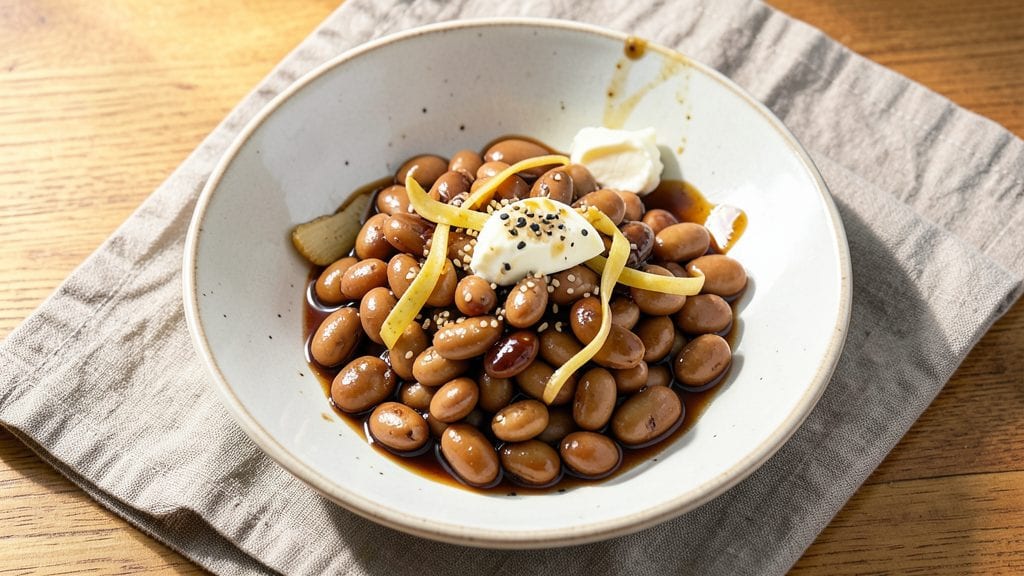
This camellia beans recipe transforms humble legumes into a dish with silky-smooth texture and nutty depth—a culinary gem from East Asian traditions. After years of perfecting the technique, I’ve found that proper soaking and roasting unlock their full potential, creating a dish that’s both comforting and sophisticated.
The key lies in balancing sweetness and earthiness, whether you’re making a savory soup or a delicate confection.
What sets this recipe apart is its versatility—camellia beans absorb flavors beautifully, making them ideal for both savory stir-fries and sweet desserts. The process begins with soaking overnight to soften the beans, followed by roasting until they develop that signature nutty aroma.
This method ensures a creamy yet firm texture that holds up in any dish, whether served warm or chilled.
The result is a dish that’s rich in flavor and texture, with a subtle sweetness that pairs perfectly with savory ingredients like mushrooms, ginger, or even a touch of honey.
Whether you’re exploring traditional recipes or modern twists, camellia beans bring a unique depth that elevates any meal. Let’s bring this recipe to life with precise steps and cultural insights.
From soaking to roasting, every stage matters—this isn’t just a recipe, but a journey into the heart of East Asian cuisine. The final dish delivers a harmony of textures and flavors that will impress even the most discerning palates.
Ready to discover why camellia beans are a hidden treasure in the kitchen?
Ingredients for camellia beans
Transform these humble legumes into East Asian-inspired dishes with nutty depth and velvety texture.
| Ingredient | Amount | Notes |
|---|---|---|
| Camellia Beans (Dried) 🌱 | 1 cup | High-quality, organically grown preferred |
| Water 💧 | 4 cups | Filtered or spring water preferred |
| Unsalted Butter 🧈 | 3 tbsp | European-style for richer flavor |
| Fresh Ginger 🧄 | 2 tbsp | Finely grated, organic preferred |
| Soy Sauce 🍶 | 2 tbsp | Japanese tamari for gluten-free |
| Sesame Oil 🫒 | 1 tbsp | Toasted, for aromatic finish |
| Honey 🍯 | 1 tbsp | Raw, unprocessed preferred |
| Garlic Cloves 🧄 | 4 cloves | Freshly minced, skin-on |
| Shiitake Mushrooms 🍄 | 6 whole | Fresh, stems removed |
| Green Onions 🧅 | 3 whole | Thinly sliced, for garnish |
| Diamond Crystal Kosher Salt 🧂 | ½ tsp | For seasoning, not iodized |
| White Peppercorns 🌶️ | ¼ tsp | Freshly cracked, not ground |
The quality of camellia beans makes all the difference. Look for organically grown, whole dried beans from specialty Asian markets—H Mart or 99 Ranch carry excellent options. Avoid pre-soaked or pre-cooked varieties, as they lack the proper texture. For the best flavor, source Japanese or Korean brands like Hojicha or Hakkaisan. Fresh ginger should have a vibrant color and firm texture; organic varieties from Whole Foods often have the most potent flavor. Shiitake mushrooms should be plump and moist, not dried out—Trader Joe's or local farmers markets are reliable sources for fresh specimens. The soy sauce matters too; Japanese tamari adds depth without overpowering the delicate bean flavor.
No fresh ginger? Substitute 1 tbsp ginger paste or 1 tsp ground ginger, though fresh yields superior results. Running out of shiitake mushrooms? Cremini or oyster mushrooms work well, though they'll have a slightly different earthiness. Prefer a sweeter profile? Swap honey for agave or maple syrup at a 1:1 ratio. For a gluten-free option, ensure your soy sauce is tamari-based. The sesame oil can be omitted if you're sensitive to its flavor, but it adds a crucial aromatic finish. If you can't find camellia beans, adzuki beans or black beans can be used as a last resort, though the texture will differ significantly. Always taste as you go—this dish balances sweet, savory, and umami, so adjustments are key.
Store dried camellia beans in an airtight container in a cool, dark place for up to 12 months. Once soaked, they should be refrigerated and used within 3 days for optimal texture. The roasted beans keep for 5 days in the fridge or 3 months frozen. For best results, portion the finished dish into glass containers with a thin layer of olive oil on top to preserve freshness. This recipe reheats beautifully—simmer gently on low heat or warm in a steamer basket to maintain the silky texture. The flavors actually deepen overnight, making it perfect for meal prep.
Why You'll Love This Recipe
- Five-Ingredient Magic: I swear, this recipe is my go-to when I’m staring at a fridge full of butter and ginger but zero inspiration. Literally just soak those camellia beans overnight, simmer with a knob of butter and a thumb’s worth of grated ginger—boom. That’s dinner.
- Umami Bomb: The soy sauce and ginger team up like old friends, turning these dried beans into something rich and savory. Not too salty, not too sweet—just that perfect balance where every bite makes you want another.
- Leftover Hero: Between us, this dish begs to be made in bulk. The texture stays perfect for days, and I’ve reheated it cold straight from the fridge with zero complaints. My lunchbox’s new best friend.
- Budget Win: Dried camellia beans are cheaper than fresh, and you’re not drowning in ingredients here. A little butter, a splash of soy, and you’ve got a hearty, satisfying dish that won’t break the bank. (Yes, even on a Tuesday night.)
Step-by-step instructions for camellia beans with nutty depth
Transform dried camellia beans into a luxurious, velvety dish with this method—precision meets tradition.
Soak and Parboil the Camellia Beans
Place the 1 cup dried camellia beans in a bowl and cover with cold water by 2 inches. Let them soak for at least 8 hours or overnight—this ensures even hydration and prevents cracking during cooking. After soaking, drain and rinse thoroughly to remove any residual starch.
Transfer the beans to a medium saucepan and add 4 cups fresh water. Bring to a boil over high heat, then immediately reduce to a simmer. Cook for 45 minutes, skimming any foam that rises to the surface. The beans are ready when they're tender but not mushy—they should still hold their shape when pierced with a fork. Drain and set aside, reserving 1 cup of the cooking liquid for later use.
Build the Flavor Base with Aromatics
In a separate skillet, melt 3 tablespoons unsalted butter over medium heat until it foams. Add the 4 cloves minced garlic cloves (skin-on) and 2 tablespoons finely grated fresh ginger, cooking for 1 minute until fragrant but not browned. This step is critical—undercooking leaves raw flavors, while overcooking turns them bitter.
Add the 6 whole shiitake mushrooms, sliced, and cook for 5 minutes until they release their moisture and develop a golden sheen. Stir in 2 tablespoons soy sauce and 1 tablespoon honey, letting the mixture simmer for 2 minutes until slightly reduced. The sauce should coat the back of a spoon with a glossy sheen, balancing umami and sweetness.
Blend for Silky Texture
Return the parboiled camellia beans to the skillet with the aromatic mixture. Add 1 tablespoon toasted sesame oil and 0.5 teaspoon Diamond Crystal kosher salt, tossing gently to coat. Transfer everything to a blender or food processor, leaving ½ cup of the reserved cooking liquid in the skillet.
Blend the mixture in batches, adding ½ cup of the reserved cooking liquid at a time, until the texture is ultra-smooth with no visible bean fragments. If the mixture is too thick, add more cooking liquid 1 tablespoon at a time until it reaches a pourable, velvety consistency. The final texture should resemble a thick, luxurious soup with a silky mouthfeel—this is the hallmark of a successful preparation.
Finish and Garnish
Return the blended mixture to the skillet and warm over low heat for 3 minutes, stirring constantly to prevent scorching. The dish should be hot but not boiling, allowing the flavors to meld without breaking down the texture. Taste and adjust seasoning with additional soy sauce or honey if needed.
Divide the camellia bean mixture among 4 serving bowls. Garnish each portion with thinly sliced green onions and a sprinkle of 0.25 teaspoon freshly cracked white peppercorns. The green onions add a fresh contrast, while the peppercorns introduce a subtle, aromatic finish. Serve immediately with steamed rice or crusty bread to complement the dish's rich, nutty depth.
Pro Tips For Making Camellia Beans
- SOAK BEANS OVERNIGHT: I learned this the hard way—rushing the soak means tough, chewy beans. Use cold water and let them sit 12+ hours (yes, even if you’re impatient like me). They’ll triple in size and soften perfectly, so your final dish has that velvety texture without gummy bits.
- PEEL GINGER THINLY: Skip the thick slices—you want paper-thin strips of ginger to infuse flavor without overpowering. A microplane or sharp knife works best. Toss them in the pot early with the beans; they’ll mellow out as they simmer, adding depth without bite.
- LOW HEAT AFTER BOIL: Once the water returns to a gentle simmer, resist the urge to crank the heat. Too much agitation turns the beans mushy. Keep it at a low, steady bubble—this keeps them intact and lets the butter and soy sauce cling properly later.
- STIR IN BUTTER LAST: Adding butter too early makes it separate and turn greasy. Wait until the beans are tender and the liquid’s reduced slightly, then swirl it in off the heat. The residual steam will emulsify it for a silky finish—no lumps, just rich flavor.
Serving suggestions for this dish
Garnish Like a Pro
Freshly cracked white peppercorns add a delicate, aromatic finish that elevates the dish without overpowering its natural nutty depth. Use a microplane to create fine, even shavings—about ¼ teaspoon per serving.
For visual appeal, arrange the thinly sliced green onions in a circular pattern around the edge of each bowl. This not only enhances presentation but also introduces a crisp, fresh contrast to the creamy texture. 💫
Serve with Complementary Sides
Steamed jasmine rice is the classic pairing, absorbing the rich, velvety sauce beautifully. For a modern twist, serve alongside crusty sourdough bread to soak up any remaining sauce.
I also love adding a side of quick-pickled cucumbers—toss ½ cup cucumber slices with 1 tbsp rice vinegar, ½ tsp sugar, and a pinch of salt—to cut through the richness and add a refreshing crunch.
Dessert Adaptation
This recipe works beautifully as a dessert too! Sweeten the sauce further by adding 1 extra tablespoon of honey and a pinch of vanilla extract. Serve warm over vanilla bean ice cream or coconut milk pudding for a luxurious, creamy treat.
The nutty depth of the beans pairs wonderfully with the sweetness, creating a sophisticated flavor profile. Garnish with crushed toasted hazelnuts for added texture and crunch.
Presentation Matters
Use warm, shallow bowls to showcase the dish’s velvety texture and vibrant garnishes. For an extra touch, drizzle a thin line of toasted sesame oil around the edge of each bowl before adding the sauce.
This not only enhances the aroma but also adds a visual pop. Serve immediately to maintain the dish’s silky consistency and vibrant flavors. 🌟
Meal Prep Tips
This dish reheats beautifully, making it perfect for meal prep. Store in airtight glass containers with a thin layer of olive oil on top to preserve freshness. Reheat gently on the stovetop over low heat or in a steamer basket to maintain the silky texture.
For best results, reheat only what you need—leftovers can be refrigerated for up to 5 days or frozen for 3 months. Add a splash of water or reserved cooking liquid if the texture seems too thick after reheating.
Cultural Pairings
In traditional East Asian cuisine, this dish pairs perfectly with steamed dumplings or stir-fried greens. For a Japanese-inspired meal, serve with miso soup and grilled fish. In Korean cuisine, it complements kimchi and rice cakes.
The nutty depth of the camellia beans harmonizes beautifully with these classic sides, creating a balanced and satisfying meal. 🗺️
Nutrition facts
Frequently asked questions
What makes camellia beans different from other legumes?
Camellia beans have a unique nutty depth and silky texture that sets them apart from common legumes like chickpeas or lentils. Their flavor profile is subtly sweet with earthy undertones, making them perfect for both savory dishes and desserts. Unlike beans that turn mushy when overcooked, camellia beans maintain their structure while developing a velvety mouthfeel when prepared correctly.
Can I use camellia beans in place of adzuki beans?
While they're not identical, camellia beans work well as a substitute in recipes calling for adzuki beans—just expect a slightly different texture and flavor. For sweet dishes like mochi or desserts, camellia beans add a more delicate sweetness, while their nutty profile shines in savory soups or stir-fries. The key difference is their creamier texture when cooked properly.
How do I know when camellia beans are properly cooked?
Perfectly cooked camellia beans should be tender but still hold their shape when pierced with a fork—like al dente pasta. They'll have a slight resistance but won't feel hard. Overcooking turns them mushy, while undercooking leaves them chalky. The 45-minute simmer time in this recipe ensures they're just right for blending into a silky texture.
What's the best way to store leftover camellia bean dishes?
Store leftovers in airtight glass containers with a thin layer of olive oil on top to preserve freshness. They'll keep in the fridge for 5 days or freeze for 3 months. When reheating, use low heat or a steamer basket to maintain that velvety texture—never microwave directly, as it can make the beans gummy.
Can I make this recipe without a blender?
Yes! If you don't have a blender, mash the cooked beans with a potato masher or fork until smooth, then strain through a fine-mesh sieve to remove any lumps. The texture won't be as silky, but it'll still be flavorful. For best results, add a bit of the reserved cooking liquid to help create a smoother consistency.