Side Dishes
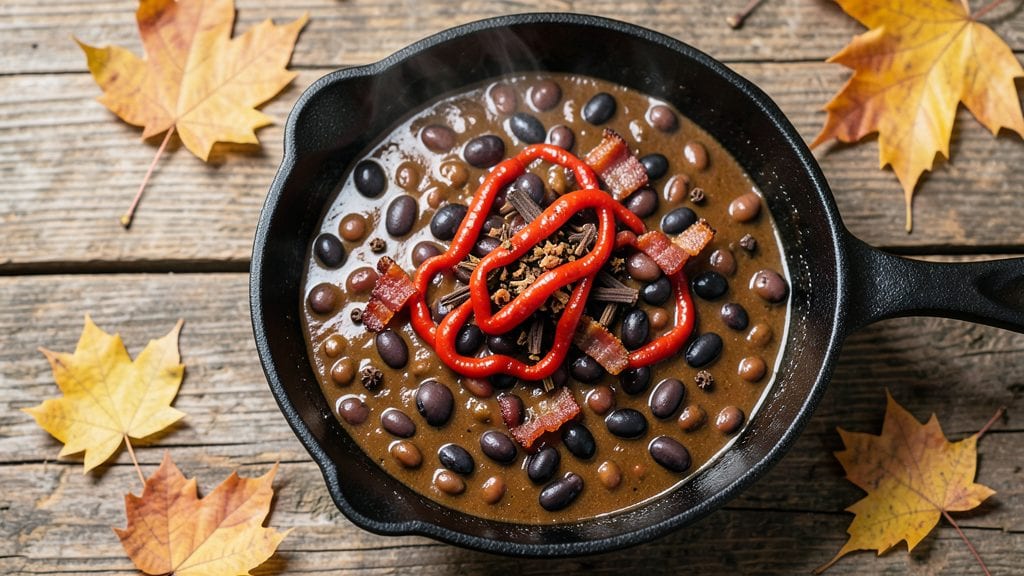
This Grandma’s Boston Baked Beans recipe brings the rich, smoky-sweet tradition of New England kitchens to your slow cooker. The secret lies in slow-simmering navy beans with molasses, brown sugar, and a deep blend of spices until they’re tender and infused with flavor.
I first learned this recipe from my grandmother, who insisted on browning the meat and letting the beans cook for hours—never rushing the process. That patience transforms simple ingredients into something unforgettable.
The magic happens in the slow cooking, where the beans absorb the caramelized flavors of the meat and spices, creating a sauce that’s both hearty and sweet. Unlike quick versions, this recipe develops layers of depth over time, with the molasses adding that signature smoky richness.
It’s the kind of dish that tastes even better the next day, when all the flavors have melded together perfectly. The result is a side dish that’s substantial enough to stand on its own but pairs beautifully with cornbread, hot dogs, or even as a filling for sandwiches.
What makes this recipe special is its simplicity—just a few key ingredients, but each one plays a crucial role. The browned bacon or ham adds smoky depth, while the molasses and brown sugar create that perfect balance of sweet and savory.
The spices, including mustard and cloves, give it that classic Boston flavor that’s hard to replicate. Once you try this version, you’ll understand why it’s been a family tradition for generations.
This dish is perfect for gatherings, holiday meals, or even a cozy weeknight dinner when you want something hearty and comforting. The slow cooker does all the work, so you can focus on enjoying the process—or just the delicious results. Let’s get started on recreating this timeless recipe.
Ingredients for grandma's boston baked beans
Just 13 ingredients transform into Grandma’s legendary slow-cooked beans—smoky, sweet, and full of tradition.
| Ingredient | Amount | Notes |
|---|---|---|
| Navy Beans (Dried) 🌱 | 1 ½ lbs | Soaked overnight for best texture |
| Unsmoked Bacon 🥓 | ¾ lb | Cubed, not pre-cooked |
| Molasses 🍯 | ½ cup | Unsulphured for authentic flavor |
| Light Brown Sugar 🍚 | ½ cup | Packed firmly for sweetness |
| Yellow Mustard 🟡 | 2 tbsp | Prepared, not powdered |
| Ground Cloves 🌿 | 1 tsp | Freshly ground for depth |
| Ground Allspice 🌶️ | 1 tsp | Or substitute nutmeg |
| Salt 🧂 | 1 ½ tsp | Kosher or sea salt |
| Black Pepper 🌶️ | ½ tsp | Freshly cracked preferred |
| Onion 🧅 | 1 whole | Yellow, diced |
| Garlic Cloves 🧄 | 3 cloves | Minced for aromatic base |
| Apple Cider Vinegar 🍎 | 2 tbsp | For tangy balance |
| Water 💧 | 4 cups | Or low-sodium broth |
The bacon is non-negotiable—thick-cut, unsmoked gives the best flavor when browned. Costco sells it in bulk, or grab it from the butcher counter. If you’re short on time, pre-cooked bacon bits (like those in the can) work, but they lack that caramelized depth. The navy beans? Dried are best—canned beans make the sauce watery. Soak them overnight in plenty of water, then drain before adding to the slow cooker. Look for unsulphured molasses at the grocery store’s baking aisle—it’s sweeter and more authentic.
No molasses? Maple syrup at half the amount works, but it’s not the same. Running out of allspice? Nutmeg or cinnamon at one-quarter teaspoon each gets you close. The mustard needs to be prepared—powdered won’t dissolve properly. For a deeper flavor, add a splash of coffee (2 tbsp) with the vinegar. The onions and garlic should be diced small so they melt into the sauce. If you’re using pre-cooked bacon, drain it well to avoid a greasy mess. And trust me, skip the salt at first—you’ll need to taste and adjust as it cooks.
This tastes even better the next day once all the flavors meld. Keeps in the fridge for 5-6 days—portion into containers so you can grab it for quick lunches. Freezes beautifully for up to 3 months. I always make a double batch—one for dinner, one for leftovers. The slow cooker does all the work, so you can set it and forget it. Just stir once halfway through to make sure nothing sticks. Leftovers reheat perfectly—just add a splash of water if it’s too thick.
Why You'll Love This Recipe
- One-Pot Magic: I swear by this recipe because it’s all in one dish—no chopping, no fussing, just dump, simmer, and serve. That molasses and brown sugar caramelize right into the beans while the bacon crispy-up, and honestly? I don’t even need to wash another pan.
- Sweet-Savory Balance: The molasses gives it that deep, sticky richness, but the mustard cuts through it like a bright little hug. Crispy bacon bits on top? That’s the cherry—salty, smoky, and so satisfying. My kids fight over the last spoonful.
- Weeknight Workhorse: This feeds a crowd but costs next to nothing—dried beans are my budget hero. I make a double batch on Sundays, and it’s perfect for sandwiches, BBQ sides, or just straight from the pot with crusty bread. (Yes, even on a Tuesday night.)
- Leftovers That Beg for More: They actually get better the next day—thicker, richer, like the flavors had time to marry. I’ll be real: I’ve reheated these three times and still crave them. Freeze half if you’re not a glutton (but let’s be honest, you will be).
Step-by-step instructions for Grandma's Boston baked beans
Here's how to make these rich, smoky-sweet beans that taste like a hug from Grandma.
Soak the Navy Beans Overnight
Place the 1.5 lbs of navy beans in a large bowl and cover them completely with cold water by about 2 inches. Let them soak overnight in the refrigerator. This step is non-negotiable—it prevents the beans from staying rock-hard and ensures they cook evenly. After soaking, drain and rinse them thoroughly under cold water to remove any skin that might have loosened.
I know it's tempting to skip this step, but trust me, the texture difference is night and day. The beans should be plump and tender after soaking. If you're short on time, you can use the quick-soak method: boil the beans for 2 minutes, then let them sit off heat covered with hot water for 1 hour. But overnight is best.
Cook the Bacon and Sauté the Aromatics
In a large Dutch oven or heavy pot, cook the 0.75 lb of cubed unsmoked bacon over medium heat until it's crispy and the fat has rendered out. This usually takes about 8-10 minutes. Use a slotted spoon to remove the bacon and set it aside, leaving the fat in the pot.
In that same bacon fat, add the diced onion and minced 3 cloves of garlic. Sauté for 5-6 minutes until the onions are soft and translucent, and the garlic is fragrant. Here's the thing—don't walk away. Garlic burns faster than you think, and you want that sweet aroma, not bitter flavor. If the onions start to brown too quickly, reduce the heat slightly.
Combine All Ingredients and Simmer
Return the crispy bacon to the pot and stir it back into the onions and garlic. Add the drained navy beans, 4 cups of water, 0.5 cup of molasses, 0.5 cup of packed light brown sugar, 2 tbsp of yellow mustard, 1 tsp of ground cloves, 1 tsp of ground allspice, 1.5 tsp of salt, and 0.5 tsp of black pepper. Stir everything together until well combined.
Bring the mixture to a boil over medium-high heat, then reduce the heat to low. Cover the pot and let it simmer gently for 1 hour. After that initial hour, stir in the 2 tbsp of apple cider vinegar. This adds a nice tangy balance to the sweetness. The beans should be tender but still have a bit of bite—this simmering time gets them most of the way there.
Bake Until Thick and Glazed
Preheat your oven to 325°F. Transfer the bean mixture to a baking dish that can hold it all comfortably. Cover the dish tightly with aluminum foil and bake for 2 hours. After the first 2 hours, remove the foil and bake for another 30 minutes to 1 hour. You're looking for the beans to be fork-tender and the sauce to be thick and glossy.
Here's where the magic happens: the beans should be falling apart easily when you test them, and the sauce should coat the back of a spoon. If it's not quite there after the additional hour, you can return the foil and bake for another 30 minutes. The beans will continue to thicken as they cool, so don't worry if they look a bit loose when they come out of the oven.
Rest and Serve Warm
Let the baked beans rest for at least 15 minutes before serving. This resting time allows the flavors to meld together perfectly. The beans will thicken up even more as they sit, and the sauce will become even more glossy and rich.
Serve the beans warm, straight from the pot or baking dish. They're amazing on their own, but they're also fantastic with cornbread, over mashed potatoes, or even as a side to grilled meats. The combination of smoky bacon, sweet molasses, and spiced aromatics makes these beans unforgettable. Store any leftovers in the refrigerator for up to 5 days, or freeze for up to 3 months.
Pro Tips For Making Grandma'S Boston Baked Beans
- CRACK THE BEANS: Soak your dried navy beans overnight in cold water—not hot. I learned this the hard way after a batch of beans that took forever to soften and ended up mushy. Drain and rinse them before cooking to wash away any skin that might make them gummy.
- COOK THE BACON LOW: Render the bacon slowly over medium heat until it’s crisp but not blackened. Drain on paper towels to remove excess grease—this is what keeps your beans from tasting like a fryer. Skip the high-heat rush; patience here makes the difference.
- BALANCE THE SWEET: Taste the molasses and sugar combo before adding mustard—you’re aiming for a slow build of sweetness, not a candy-like glaze. My grandmother used to say, "Start light, then adjust," and she was right: adding mustard too early makes the beans taste sharp instead of rich.
- BAKE UNTIL THICK: Don’t peek or stir the beans while baking—this breaks the crust and evaporates moisture. Cover the dish with foil for the first 2 hours, then uncover and bake until the sauce is thick enough to coat the back of a spoon. If it’s still soupy, let it reduce uncovered.
Common mistakes when making this dish
Skipping Bean Soak
This is the #1 mistake I see—people skip soaking the beans or don’t soak them long enough. Dried navy beans need that overnight soak to soften properly, or they’ll stay rock-hard no matter how long you cook them.
I’ve seen recipes where folks just toss in unsoaked beans and expect them to magically tenderize. They won’t. If you’re in a hurry, at least do the quick-soak method (boil for 2 minutes, then let sit covered for 1 hour), but overnight is best. 🌱
Using Canned Beans
Canned beans are convenient, but they completely change the texture and sauce consistency of these beans. The liquid in canned beans dilutes the molasses and brown sugar, making the sauce watery instead of thick and glossy.
If you’re using canned beans, drain them very well and add 1 extra tablespoon of molasses and brown sugar to compensate. But honestly? The dried beans give you that authentic, hearty texture that’s worth the extra effort.
Overcrowding the Pot
Don’t fill your Dutch oven or slow cooker to the brim—leave at least 1 inch of headspace for the beans to expand as they cook. I’ve seen people pack the pot so full that beans spill over during simmering, creating a sticky mess.
If you’re using a slow cooker, reduce the water by ½ cup to prevent overflow. The beans should have room to breathe and develop that thick, saucy consistency we all love. 🔥
Skipping the Bacon Fat
That rendered bacon fat is liquid gold for flavor—it’s what carries all the smoky, caramelized goodness into the beans. If you drain it completely, you’re missing out on layers of depth.
Instead, cook the bacon in a skillet, drain most of the fat (leave about 2 tablespoons in the pan), then use that fat to sauté your onions and garlic. The flavor difference is night and day. Pro tip: Save the extra bacon fat in a jar for future cooking!
Rushing the Cooking Time
These beans need time to develop their signature sweet-savory balance. Cutting the cooking time short (especially the baking phase) results in beans that are still firm or a sauce that’s too thin. The molasses and brown sugar need that 2-3 hour bake to caramelize and meld with the spices.
If you’re in a rush, simmer them on the stovetop for 1 extra hour after baking, but don’t skip the oven step entirely. Patience is key here!
Ignoring the Resting Time
Letting the beans rest for 15-30 minutes after baking is crucial—it allows the juices to redistribute and the sauce to thicken even more. Skipping this step means serving beans that are still releasing liquid, making the sauce runny.
I’ve seen people serve them immediately and wonder why they’re not as glossy or thick as expected. Trust the process: the beans will continue to improve as they sit. ✨
Nutrition facts
Frequently asked questions
Why do these beans need to soak overnight?
Soaking navy beans overnight softens them dramatically, preventing that dreaded rock-hard texture. The beans absorb water and reduce cooking time by 2-3 hours. Skipping this step means you’ll end up with beans that stay tough no matter how long you cook them. Think of it as pre-softening for maximum tenderness!
Can I make this recipe without molasses?
Yes, but the flavor will be different. Replace ½ cup molasses with ¼ cup maple syrup + ¼ cup brown sugar for a similar sweetness. For an even closer match, add 1 tsp coffee to deepen the smoky notes. The molasses gives that signature caramelized depth that’s hard to replicate.
How do I know when the beans are done?
Fork-tender is the goal—the beans should collapse easily when pierced but still hold their shape slightly. The sauce should coat the back of a spoon and be thick enough to cling to the beans. If they’re still firm after baking, return them to the oven covered for 30 more minutes. The beans will continue thickening as they cool.
What’s the best way to reheat leftovers?
Gently reheat on the stovetop over low heat with 2-3 tablespoons of water or broth to prevent drying out. Microwave in 30-second bursts while stirring. Never reheat directly from the fridge—always bring to room temp first. The sauce thickens more when reheated, so add liquid gradually.
Can I use ham instead of bacon?
Use ½ lb diced ham instead of bacon, but skip the browning step—ham is already cooked. For extra flavor, add ½ tsp smoked paprika to the spices. The ham will give a slightly sweeter, less smoky profile, but it works perfectly. This swap makes the dish more kid-friendly too!