
Side Dishes
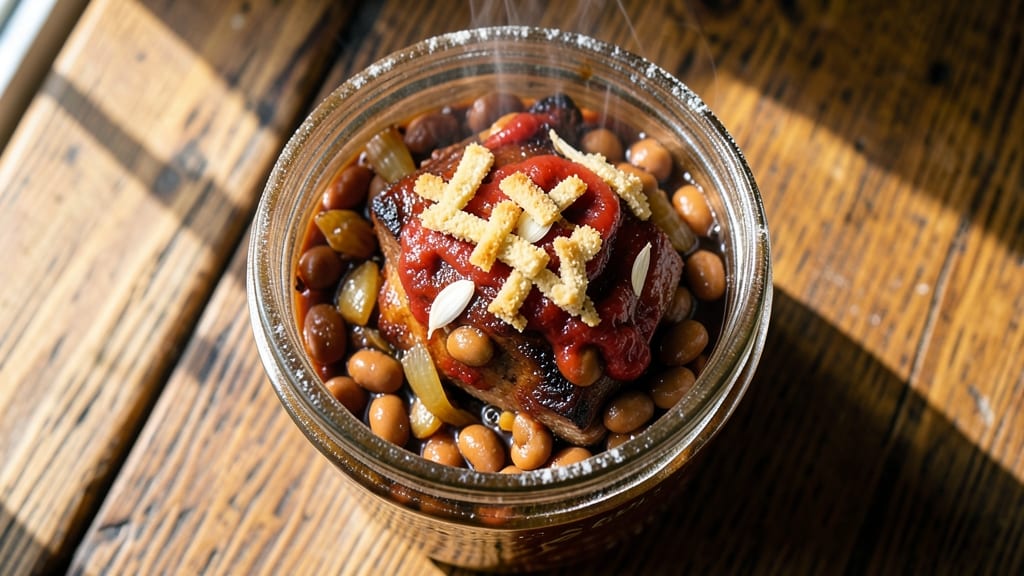
Transforming a comforting side dish into a pantry staple, this home canned baked beans recipe lets you preserve homemade flavor in glass jars for years. The deep, smoky molasses flavor and tender beans make this a recipe worth perfecting—especially when you need to stock up for winter meals.
Pressure canning ensures both safety and that rich, slow-cooked texture in every bite.
This method builds on traditional baked bean techniques, using pork shoulder for depth and molasses for that signature sweetness. The key lies in proper preparation: soaking beans overnight, browning the pork, and layering spices before processing.
It’s a process that rewards patience with restaurant-quality results you can store for up to a year.
What you’ll end up with is jars of velvety beans with caramelized edges, where every spoonful delivers that perfect balance of smoky, sweet, and savory. The beans stay tender, the sauce thickens just right, and the aroma alone will make your kitchen feel like a cozy diner.
Perfect for holiday tables or quick weeknight dinners straight from the pantry.
Safety is critical, so we’ll cover pressure canner setup, processing times, and storage guidelines to ensure your beans stay delicious and safe. Let’s get started on a batch that’ll feed your family for months to come.
Ingredients for home canned baked beans
Pantry staples and a few specialty items for jars that taste like a cozy diner's secret.
| Ingredient | Amount | Notes |
|---|---|---|
| Dried Navy Beans 🌾 | 4 cups | Unsold, no salt added |
| Pork Shoulder 🥓 | 3 lb | Bone-in, cut into chunks |
| Unsweetened Molasses 🍯 | ½ cup | Dark, rich variety preferred |
| Yellow Onion 🧅 | 2 whole | Medium, chopped |
| Garlic Cloves 🧄 | 6 cloves | Minced, fresh preferred |
| Tomato Paste 🍅 | ½ cup | No salt added |
| Apple Cider Vinegar 🍏 | ¼ cup | For tangy balance |
| Brown Sugar 🍚 | ½ cup | Light or dark |
| Mustard 🌶️ | 2 tbsp | Dijon or yellow |
| Smoked Paprika 🌶️ | 2 tsp | For deep smoky flavor |
| Ground Black Pepper 🌶️ | 1 tsp | Freshly ground |
| Salt 🧂 | 2 tsp | Kosher or sea salt |
| Bay Leaves 🌿 | 2 whole | Fresh preferred |
| Water 💧 | 12 cups | For soaking beans |
| Pint-Mason Jars 🥫 | 12 whole | With new lids/seals |
The beans are the heart of this recipe, so pick dried navy beans—they hold up best during canning. Bob's Red Mill or the bulk bins at Whole Foods are great sources. Pork shoulder adds depth, and you can usually find it pre-cut at Costco or your local butcher. Look for good marbling in the meat—it'll melt into the beans beautifully. The molasses should be dark and unsweetened; Goya or Anthony's Goods are solid choices. Don’t skip soaking the beans overnight—it cuts cooking time and keeps them tender.
No molasses? Substitute with extra tomato paste and a splash of balsamic vinegar—it’ll add depth but won’t be as sweet. Swap pork for smoked turkey or chicken thighs if you’re avoiding pork, but the flavor won’t be quite the same. Fresh bay leaves are ideal, but dried work at half the amount. The tomato paste can be the squeeze-tube kind from Trader Joe's—it’s perfect for canning and lasts forever. If you’re short on time, use pre-soaked beans from a can (drained and rinsed), but they won’t have the same texture after canning.
Once canned, these beans stay good for up to a year in a cool, dark pantry. Label your jars with the date—trust me, you’ll forget! The pork fat will solidify on top; just spoon it off before serving. Reheat gently in a pot with a splash of water or broth to revive the sauce. These make fantastic gifts—just tie a ribbon around the lid, and you’ve got a homemade present that’ll impress anyone. Freeze extras if you can’t eat them all; they’ll keep for 6 months.
Why You'll Love This Recipe
- No-Soaking Needed: I’ll be real—dried navy beans here don’t require pre-soaking. Just a quick rinse and overnight hydration in the pot, then simmer. That’s it. No fuss, no waiting around.
- Molasses Magic: That unsweetened molasses? It’s the secret weapon. Deep, caramelized sweetness from slow cooking with the pork shoulder—like a hug in a jar. The pork shoulder melts into tender shreds, and the onions caramelize right in the pot.
- Tailgate or Table: Serve these warm from the canning jars at a picnic, pack them for a camping trip, or reheat them straight from the shelf for a lazy Sunday. They’re just as happy on a paper plate as they are on your best china.
- Budget-Friendly Pantry Hero: Dried beans and pork shoulder stretch for miles. Canning them means a year’s worth of protein-rich meals for pennies. Plus, the molasses adds richness without breaking the bank—this is comfort food that won’t drain your wallet.
Step-by-step instructions for home canned baked beans
Here's how to create rich, smoky baked beans that'll keep beautifully in jars for months.
Soak and Prepare the Beans
Place the 4 cups dried navy beans in a large bowl and cover them completely with the 12 cups water. Let them soak overnight or at least 8 hours. I like to use a colander in the sink for this—it keeps everything contained and makes draining easier later.
The next morning, drain and rinse the beans thoroughly under cold water. This removes any impurities and prepares them for cooking. In a large stockpot, combine the soaked beans with 8 cups fresh water. Bring to a boil over high heat, then reduce to a simmer for 2 hours or until the beans are tender but not mushy. You'll know they're ready when they easily crush between your fingers but still hold their shape.
Cook the Pork Shoulder and Build the Sauce
While the beans simmer, cut the 3 lb pork shoulder into 1-inch chunks. In the same stockpot (or a separate large Dutch oven), cook the pork over medium-high heat until browned on all sides, about 5-7 minutes total. This step adds incredible depth of flavor.
Remove the pork from the pot and set aside. In the same pot, add the chopped 2 whole yellow onions and minced 6 cloves garlic. Cook for 3-4 minutes until softened and fragrant. Stir in the 0.5 cup tomato paste, 0.25 cup apple cider vinegar, 0.5 cup brown sugar, 2 tbsp mustard, 2 tsp smoked paprika, 1 tsp ground black pepper, and 2 tsp salt. Cook for another 2 minutes, stirring constantly to combine all ingredients.
Combine and Simmer the Bean Mixture
Return the pork chunks to the pot along with any accumulated juices. Add the cooked beans and their liquid to the pot. Stir in the 0.5 cup unsweetened molasses and the 2 whole bay leaves. Bring the mixture to a gentle boil, then reduce heat to low and let it simmer uncovered for 2 hours. Stir occasionally to prevent sticking and ensure even cooking.
After 2 hours, taste the mixture and adjust seasoning if needed. The beans should be tender, the pork fork-tender, and the sauce thick and rich. If the mixture is too thick, add a little water to reach your desired consistency. This is where all the flavors meld together into that perfect baked bean taste.
Fill and Process the Mason Jars
Preheat your canner with enough water to cover the 12 whole pint-mason jars by 1 inch. Using a ladle, carefully fill each jar with the hot bean mixture, leaving 1-inch headspace at the top. Wipe the jar rims clean with a damp cloth to ensure good seals.
Place the lids on the jars and screw on the bands until fingertip tight. Lower the jars into the canner using a jar lifter. Bring the water to a full rolling boil and process the jars for 90 minutes. Maintain a steady boil throughout the processing time—this is critical for safe canning. After processing, remove the jars and let them cool undisturbed for 12-24 hours. This allows the lids to seal properly.
Store and Enjoy Your Canned Beans
Once cooled, check that the lids have sealed by pressing down on the center of each lid. If it doesn't pop back up, the jar is sealed properly. Store the sealed jars in a cool, dark place for up to 12 months. The rich, smoky flavor will only improve with time.
To use, simply open a jar and heat the contents gently in a saucepan or microwave. These beans are perfect for barbecues, sandwiches, or as a hearty side dish. The combination of sweet molasses, smoky paprika, and tender pork creates a flavor profile that's truly unbeatable in home canned goods.
Pro Tips For Making Home Canned Baked Beans
- SOAK BEANS OVERNIGHT: I learned this the hard way—rushing the soak with dried navy beans leaves them tough and mealy. Cover them in cold water (about 3 inches above the beans) and let them sit 12+ hours. No need to boil first; just drain and rinse before cooking. (Yes, even if you're impatient like me.)
- SEAR THE PORK LOW: After burning three batches of pork shoulder, I finally figured out: sear it slowly over medium heat. Cut it into 1-inch cubes first, then brown them in batches—don’t crowd the pan. This builds flavor without turning the meat into jerky. (Your future self will thank you.)
- SWEAT ONIONS UNTIL SOFT: Diced onions should turn translucent and slightly caramelized before adding molasses—about 8–10 minutes on medium-low. Skip this, and your beans will taste raw and bitter. A splash of water or apple cider vinegar (1 tsp) helps them break down faster. (Sounds weird, but it works.)
- PRESS BEANS INTO JARS: This isn’t the prettiest method, but it’s the tastiest: after filling jars with beans and liquid, use a wooden spoon to press them down firmly. This eliminates air pockets and prevents mold during canning. Leave 1-inch headspace—no more, no less. (Your grandmother was right.)
Regional styles of home canned baked beans
Southern BBQ Style
In the South, baked beans get a smoky, sweet kick with pork shoulder as the star. I’ve seen grandmas in North Carolina slow-cook beans with apple cider vinegar and brown sugar until the sauce is thick enough to spoon.
The key here is slow simmering—at least 3-4 hours—to let the flavors meld. Some add a splash of bourbon or hot sauce at the end for a little heat. Serve these with cornbread or pulled pork for a true Southern feast. 🔥
New England Clam Baked Beans
Up in New England, they swap pork for clams or mussels in a variation that’s rich and briny. The beans get simmered with tomato paste, white wine, and fresh herbs like thyme and parsley.
I’ve made this version with littleneck clams—just add them in the last 10 minutes of cooking so they don’t overcook. The result is a creamy, slightly tangy bean dish that’s perfect with crusty bread or as a side to seafood. 🌊
Midwest Molasses-Kissed
The Midwest loves its baked beans extra sweet, often using blackstrap molasses for depth. In Iowa and Illinois, it’s common to see beans cooked with bacon instead of pork shoulder, and sometimes even maple syrup for a caramelized finish.
I like to add a pinch of cinnamon for warmth—it’s a nod to the region’s German and Dutch roots. These beans are a staple at state fairs and potlucks, often served with cornbread muffins. 🌽
Texas-Style Smoked Beans
Down in Texas, they take baked beans to the next level by smoking them—either with hickory or pecan wood for a nutty, smoky aroma. The beans are often cooked in a smoker at 225°F for 4-5 hours, then canned for long-term storage.
I’ve seen recipes with chili powder and cayenne for heat, plus beef instead of pork to keep it true to Texan tastes. These beans are a must at BBQ joints and cookouts. 🌶️
Pacific Northwest Herb-Infused
Out West, baked beans get a fresher twist with local herbs like rosemary and sage. The Pacific Northwest version often includes wild mushrooms or Portobello slices for an earthy depth. I’ve made this with local honey instead of molasses and fresh thyme** from the garden.
It’s lighter than traditional recipes but still hearty—perfect with grilled salmon or as a side for hearty stews. 🌿
Nutrition facts
Frequently asked questions
Why soak the beans overnight before canning?
Soaking reduces cooking time and prevents beans from staying hard after canning. Overnight soaking also removes impurities, ensuring smoother texture and better flavor absorption. Skip this step, and your beans may turn mushy or retain an unpleasant bite.
Can I use canned beans instead of dried for canning?
Not for this method—canned beans contain too much moisture and won't hold up during pressure canning. Dried beans absorb liquid properly, maintaining the perfect texture. If you're short on time, use pre-soaked dried beans (soak for 8 hours instead of overnight).
What's the safest way to test if my canned beans are properly sealed?
After cooling 12-24 hours, press the center of each lid. If it pops back up, the seal failed—refrigerate and use within 5 days. A sealed lid stays concave and doesn't move. Store only properly sealed jars in a cool, dark place for up to 12 months.
How do I adjust the recipe for a water bath canner instead of pressure canning?
This recipe requires pressure canning due to low-acid ingredients. Water bath canning is unsafe for beans with meat or vegetables. For acidified versions (like tomato-based), processing times differ—but never substitute for this pork-and-bean recipe.
Can I add hot sauce or extra spices after canning?
Always season before canning to ensure even distribution and safety. Adding spices post-canning risks uneven flavor and potential spoilage. For heat, include cayenne or hot sauce in the initial simmering step. Taste and adjust before filling jars.