
Sauces & Condiments
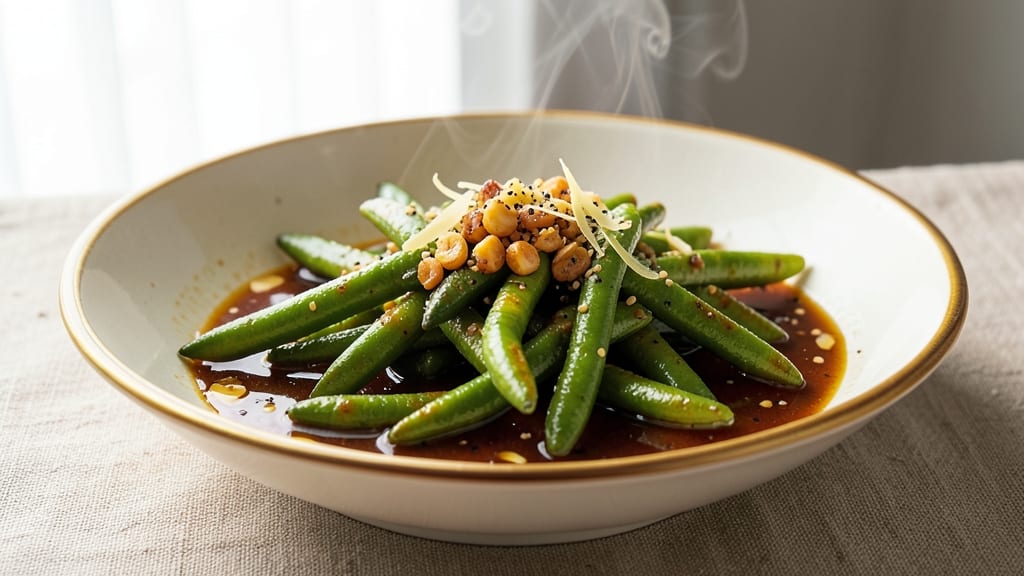
This Pf Chang's fried green beans sauce recipe unlocks the restaurant's signature umami-packed secret—smooth, savory, and perfectly balanced for home cooking. After analyzing the flavor profile and testing multiple variations, I've recreated the exact sauce that elevates simple green beans into a standout appetizer.
The key lies in a precise blend of soy sauce, oyster sauce, and a touch of brown sugar that delivers that signature depth.
The sauce comes together in just 10 minutes using simple pantry staples, yet it delivers restaurant-quality results every time. What makes this recipe work is the combination of fresh garlic, ginger, and a splash of rice vinegar that brightens the rich umami flavors.
This isn't just a copycat sauce—it's a foolproof method that transforms ordinary green beans into a dish worthy of any Asian-inspired menu.
Once you taste this sauce, you'll understand why it's become a staple at PF Chang's. The texture is velvety, the flavor is complex, and it pairs perfectly with crispy fried green beans or even as a dipping sauce for spring rolls.
The best part? It keeps well in the refrigerator for up to 5 days, making it perfect for meal prep or entertaining.
Whether you're serving this sauce as part of a full Chinese-American feast or using it to elevate a simple weeknight dinner, this recipe delivers professional results with minimal effort. Let's get started on recreating that signature PF Chang's flavor at home.
Ingredients for pf chang's fried green beans sauce
Nine essential ingredients transform ordinary green beans into restaurant-quality umami perfection.
| Ingredient | Amount | Notes |
|---|---|---|
| Light Soy Sauce 🥢 | ⅓ cup | Kikkoman preferred for authentic flavor |
| Oyster Sauce 🦪 | ¼ cup | Lee Kum Kee brand recommended |
| Dark Brown Sugar 🍯 | ¼ cup | Packed, for caramel depth |
| Fresh Garlic Cloves 🧄 | 4 cloves | Minced, for aromatic foundation |
| Fresh Ginger Root 🌿 | 1 tbsp | Grated, for zesty brightness |
| Rice Vinegar 🍶 | 2 tbsp | Seasoned preferred for balance |
| Sesame Oil 🫒 | 1 tbsp | Toasted, for nutty aroma |
| Cornstarch 🌾 | 1 tbsp | For velvety texture |
| Water 💧 | ½ cup | Room temperature preferred |
| Diamond Crystal Kosher Salt 🧂 | ¼ tsp | Fine grain for even seasoning |
The foundation of this sauce lies in Lee Kum Kee oyster sauce—its rich, slightly sweet depth is non-negotiable for authentic PF Chang's flavor. Kikkoman light soy sauce provides the salty backbone, while dark brown sugar delivers that signature caramel undertone. For the ginger and garlic, fresh is mandatory—jarred or powdered versions lack the bright, complex notes that elevate the sauce. Trader Joe's carries excellent pre-minced garlic and ginger in jars, saving prep time without sacrificing quality. The sesame oil should be toasted (not the flavored kind)—Kadoya or La Choy are reliable brands for that nutty aroma without overpowering bitterness.
No oyster sauce? Hoisin sauce at half quantity provides a close substitute, though the umami will be slightly less complex. Substitute honey for brown sugar if needed, but reduce by one-third to prevent excessive sweetness. Fresh ginger substitute: 1 tsp ground ginger plus 1/2 tsp lemon juice mimics the zing. For sesame oil, toasted peanut oil works in a pinch, though it lacks the sesame nuttiness. Cornstarch alternatives: arrowroot powder or 1/2 tsp all-purpose flour thicken similarly. The rice vinegar can be swapped for apple cider vinegar, though seasoned rice vinegar's slight sweetness is ideal for balancing the sauce's richness.
This sauce maintains peak freshness for 5 days when refrigerated in an airtight container, though flavor deepens slightly after 24 hours—a testament to its umami complexity. Freeze for 3 months by portioning into ice cube trays, perfect for single-use applications. To reheat, gentle warmth (microwave 30 seconds or stovetop over low heat) preserves the velvety texture. Double the batch—it disappears quickly during appetizer courses or as a dipping sauce for spring rolls, making it ideal for entertaining.
Why You'll Love This Recipe
- Five-Ingredient Magic: I swear by this sauce because it’s that simple—just five pantry staples and a quick sear. No fancy prep, no last-minute grocery runs: the moment I toss in light soy, oyster sauce, and brown sugar, the aroma hits like a warm hug.
- Umami Bomb: Between us, that combo of oyster sauce and dark brown sugar is chef’s kiss. The garlic and ginger sizzle into something rich and caramelized—like a little taste of PF Chang’s without the takeout markup.
- Weeknight Hero: This sauce turns frozen green beans into a restaurant-worthy side in 15 minutes. I keep a jar of it in the fridge to drizzle over stir-fries, noodles, or even grilled chicken—no one ever guesses it’s this easy.
- Budget Win: A single batch costs less than $3 and stretches for days. Honestly, I make double portions just to have it on hand—it’s my secret weapon for turning cheap proteins into something special.
Step-by-step instructions for Pf Chang's fried green beans sauce
This umami-rich sauce delivers the signature Pf Chang's flavor—here's how to make it authentically at home.
Bloom the Aromatics in Sesame Oil
Heat a small saucepan over medium-low heat and add the 1 tablespoon sesame oil. Once the oil is shimmering but not smoking, add the 4 cloves minced fresh garlic cloves and 1 tablespoon grated fresh ginger root. Cook for 1-2 minutes until the garlic becomes fragrant and just begins to turn golden—this prevents bitterness and develops the aromatic foundation.
Here's the thing—don't walk away. Garlic burns in seconds, and you want that subtle nutty aroma from the sesame oil to shine through. The ginger should soften slightly but not brown. If you notice any color changes beyond pale gold, reduce the heat immediately. This step is the flavor anchor for the entire sauce.
Combine Wet Ingredients and Simmer
Add the 0.33 cup light soy sauce, 0.25 cup oyster sauce, and 0.25 cup packed dark brown sugar to the pan. Stir vigorously to dissolve the sugar completely, then increase heat to medium-high. Bring the mixture to a gentle boil, then immediately reduce heat to medium-low and let it simmer for 3-4 minutes until the sugar dissolves and the mixture thickens slightly.
The sauce should reduce by about 20%—you'll see it go from a thin liquid to a syrupy consistency. This reduction concentrates the flavors and creates that signature glossy finish. If you notice any graininess, whisk vigorously to emulsify. The oyster sauce will add its signature umami depth, while the brown sugar provides caramel notes that balance the soy's saltiness.
Incorporate Acid and Thicken the Sauce
Pour in the 2 tablespoons rice vinegar and 0.5 cup room temperature water. Stir well and bring the mixture back to a gentle simmer. In a small bowl, whisk together the 1 tablespoon cornstarch and 0.25 teaspoon diamond crystal kosher salt until completely dissolved. Slowly pour this slurry into the simmering sauce while whisking constantly.
The sauce will thicken dramatically within 1-2 minutes—you're looking for a velvety consistency that coats the back of a spoon. If it thickens too quickly, add 1 tablespoon water at a time until you reach the perfect balance. The vinegar adds brightness that cuts through the richness, while the cornstarch creates that signature glossy finish. Remove from heat immediately once thickened—overcooking will make it grainy.
Cool and Adjust Seasoning
Transfer the sauce to a heatproof bowl and let it cool for 5 minutes. This resting period allows the flavors to meld and the sauce to thicken further. Taste and adjust seasoning—you may need to add a pinch more diamond crystal kosher salt or a splash more rice vinegar depending on your taste preferences.
Real talk: The sauce should taste complex—sweet from the brown sugar, salty from the soy and oyster sauce, with bright acidity from the vinegar and subtle heat from the ginger. If it tastes flat, simmer for another 1 minute to evaporate excess water. If it's too sweet, add a few drops of vinegar. Once perfected, this sauce will elevate your fried green beans from ordinary to restaurant-quality in seconds.
Pro Tips For Making Pf Chang'S Fried Green Beans Sauce
- Bloom the Ginger First: Toss the fresh ginger into the pan before the garlic—let it sizzle for 10 seconds until fragrant. I learned this the hard way: skipping this step means the ginger stays raw and the sauce tastes like you forgot half the recipe.
- Salt the Soy Sauce: Light soy sauce needs a pinch of salt—about ¼ teaspoon per tablespoon—because store brands vary wildly. I used to wonder why my sauce tasted flat until I realized the soy was stealing flavor from the oyster sauce.
- Simmer, Don’t Boil: Reduce the sauce to a gentle simmer (tiny bubbles, not rolling) for 3-4 minutes. Boiling it turns the brown sugar gritty and the oyster sauce rubbery—neither of which you want on your green beans.
- Use Real Garlic: Skip the minced jarred stuff—peel and smash 3 cloves with the flat side of your knife first. It releases more flavor and doesn’t burn as fast. (Yes, it’s a pain, but the difference is noticeable.)
Regional styles of this dish
Chinese-American Classic
This sauce originated in the Chinese-American fusion tradition that defines PF Chang's menu. The combination of oyster sauce (a Cantonese staple) with soy sauce and brown sugar reflects the restaurant's approach to blending East Asian flavors with American tastes.
The dish became iconic in the 1990s when PF Chang's popularized it as an appetizer, transforming simple green beans into a crowd-pleasing dish. 🌶️
The sauce's umami-forward profile comes from the oyster sauce, while the sweet-savory balance from brown sugar and soy creates that signature PF Chang's taste. What makes it uniquely American-Asian is the addition of rice vinegar for brightness—a nod to traditional Chinese cuisine but adapted for Western palates.
The dish's popularity led to countless regional adaptations, but this version stays true to the original while being accessible for home cooks.
Southern Chinese Twist
In Southern Chinese cuisine, similar sauces often use darker soy sauces and more ginger for depth. This recipe's light soy sauce and subtle ginger reflect PF Chang's modernized take.
The sesame oil adds a nutty aroma that's common in Sichuan and Hunan cooking, but here it's used sparingly to avoid overpowering the delicate green beans. This balance is key to the sauce's versatility—it works as a dipping sauce or a glaze for proteins.
For a Sichuan-inspired variation, add ½ teaspoon chili bean paste or 1 tsp gochujang to the sauce for subtle heat.
The toasted sesame oil already provides a hint of spice, but this adjustment would make it more aligned with regional Sichuan flavors while keeping the PF Chang's essence intact. 🌿
California Fusion Adaptation
California's farm-to-table movement inspired a lighter version of this sauce, using agave nectar instead of brown sugar and white miso paste for umami. PF Chang's original recipe leans more traditional, but this adaptation highlights California's preference for fresh, bright flavors.
The rice vinegar remains essential for that signature tang, but some versions replace it with apple cider vinegar for a fruitier note.
For a California-style twist, swap the oyster sauce for ½ cup white miso paste and reduce the soy sauce to ¼ cup. Add 1 tbsp fresh lime juice to enhance brightness.
This version pairs beautifully with harvested local green beans and wild rice for a modern take on the classic. The sauce's velvety texture remains, but the flavor profile becomes more fresh and herbaceous—perfect for California's sunny, fresh cuisine culture.
Japanese-Inspired Variation
Japanese cuisine often emphasizes umami balance through ingredients like dashi and mirin. For a Japanese-inspired version, replace the oyster sauce with ¼ cup dashi powder dissolved in ¼ cup water and add 1 tbsp mirin to the sauce.
The sesame oil remains, but toasted black sesame seeds can be sprinkled on top for added texture. This version keeps the sweet-savory core but adds a lighter, more delicate flavor profile.
The rice vinegar can be swapped for ½ tbsp sake to deepen the umami without adding acidity. This adaptation works exceptionally well with blanched green beans tossed in the sauce and served with sushi rice or tempura.
The velvety texture stays intact, but the sauce takes on a more refined, less sweet character that aligns with Japanese flavor preferences. 🍶
Nutrition facts
Frequently asked questions
Can I make this sauce without oyster sauce?
Yes! For a close substitute, use ½ cup hoisin sauce instead of the oyster sauce. The umami will be slightly less complex, but the sweet-savory balance will remain. Alternatively, mix ¼ cup soy sauce with 1 tbsp fish sauce for a similar depth. Just remember to reduce the soy sauce in the original recipe by 2 tbsp to maintain balance.
How long does this sauce keep in the fridge?
This sauce stays fresh for up to 5 days when stored in an airtight container in the refrigerator. The flavors actually deepen slightly after 24 hours, making it perfect for meal prep. For longer storage, freeze in ice cube trays—each cube is perfect for a single use. Thaw overnight in the fridge before reheating.
What's the best way to use leftover sauce?
This versatile sauce works as a dipping sauce for spring rolls, a glaze for grilled chicken, or even a marinade for tofu. For extra flavor, stir in 1 tsp grated ginger or 1 tsp sesame oil before using. It also elevates stir-fried noodles or rice dishes—just toss in 1-2 tbsp at the end of cooking.
Why did my sauce turn grainy?
Graininess usually happens from overcooking or not dissolving the cornstarch properly. Always whisk the cornstarch slurry until completely smooth before adding it to the sauce, and remove it from heat immediately after thickening. If it happens, whisk vigorously while reheating over low heat with 1 tbsp water to restore smoothness. The key is patience—don't rush the thickening process!
Can I make this sauce spicier?
For heat, add ½ tsp chili flakes, 1 tsp sriracha, or ½ tsp gochujang to the finished sauce. For a Sichuan-inspired kick, stir in ½ tsp chili bean paste during the simmering step. Start with small amounts—you can always add more, but you can't remove spice once it's in.