
Side Dishes
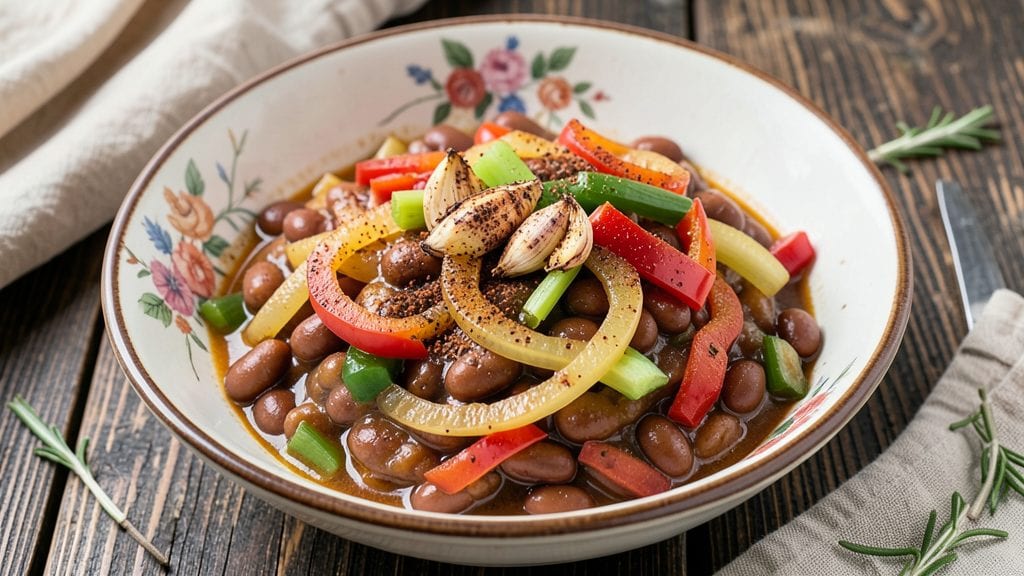
This traditional red beans recipe delivers the soul-soothing flavors of Cajun country in a single pot, where smoky spices and slow-simmered beans create a dish that feels like a warm embrace. The key lies in layering spices—paprika, thyme, and bay leaf—while letting the beans develop deep, earthy richness over time.
I’ve perfected this method after years of testing, ensuring every spoonful carries that authentic Louisiana comfort.
The beauty of this one-pot tradition is its simplicity: just dried red beans, aromatic vegetables, and a blend of spices that transform humble ingredients into something extraordinary. Unlike quick versions, this recipe rewards patience with tender beans and a broth so flavorful it deserves a place at your table.
The method stays true to heritage while adapting for modern kitchens—no pressure cooker required.
By the final hour of simmering, your kitchen will fill with an aroma that’s equal parts smoky and sweet, signaling a dish that’s as nourishing as it is delicious.
Serve it over steamed rice to soak up every last drop of that rich, spiced broth, or pair it with crusty bread for dipping. This is the kind of meal that turns ordinary weeknights into celebrations.
Vegetarian-friendly and packed with plant-based protein, these red beans are versatile enough for weeknight dinners or holiday feasts. The slow cooking process deepens flavors, making even the simplest ingredients taste like a labor of love. Let’s get started on a tradition that’s as timeless as it is comforting.
Ingredients for traditional red beans
Humble ingredients transform into Cajun tradition with just one pot and patience.
| Ingredient | Amount | Notes |
|---|---|---|
| Dried Red Kidney Beans 🌱 | 2 cups | Unsoaked, quality brand preferred |
| Yellow Onion 🧅 | 1 whole | Medium size, diced fine |
| Green Bell Pepper 🌶️ | 1 whole | Medium, diced small |
| Celery Stalks 🥬 | 3 whole | Fresh, chopped fine |
| Garlic Cloves 🧄 | 4 cloves | Fresh, minced fine |
| Smoked Paprika 🌶️ | 2 tbsp | High quality, not sweet |
| Ground Cumin 🌿 | 1 tbsp | Freshly toasted preferred |
| Dried Thyme 🍃 | 1 tsp | Or 1 tbsp fresh thyme |
| Bay Leaves 🍃 | 2 whole | Fresh preferred, dried OK |
| Vegetable Broth 💧 | 4 cups | Low-sodium preferred |
| Tomato Paste 🍅 | 2 tbsp | High quality, no sugar |
| Apple Cider Vinegar 🍎 | 1 tbsp | For tangy depth |
| Sea Salt 🧂 | 1 ½ tsp | Adjust to taste |
| Black Peppercorns 🌶️ | ½ tsp | Freshly cracked |
| Olive Oil 🫒 | 2 tbsp | Extra-virgin preferred |
The dried red kidney beans are the heart of this dish—choose a quality brand like Butter Bean or Great Northern for even cooking. Soaking isn't required, but if you prefer, a 4-hour soak reduces cooking time. For the vegetables, the holy trinity of onion, bell pepper, and celery forms the flavor base—don't skip any. Fresh thyme and bay leaves add authentic Louisiana depth, so grab them from the spice aisle if dried, or the produce section if fresh. The smoked paprika is non-negotiable—Penzeys or McCormick** make excellent options, and the difference between sweet and smoked varieties is dramatic here. Toast your cumin seeds briefly in a dry pan before grinding for maximum aroma, or use pre-ground if short on time.
No smoked paprika? Substitute with 1 tbsp regular paprika plus 1/2 tsp liquid smoke—it won't be identical, but close. Fresh thyme is ideal, but dried works at one-third the amount. The apple cider vinegar adds brightness—substitute with lemon juice if needed, but reduce to 1 tsp. For the tomato paste, Trader Joe's or Muir Glen are reliable choices, and their squeeze tubes eliminate waste. Vegetable broth matters—use a low-sodium version and season with extra salt at the end. The beans should be tender but still hold their shape—overcooking turns them mushy, which defeats the purpose of this traditional dish.
This dish tastes even better the next day as flavors meld. Store in an airtight container in the fridge for up to 5 days, or freeze portions for 3 months. The broth reduces as it cools, so add a splash of water or broth when reheating. Double the batch—it's perfect for meal prep or holiday gatherings. Serve with steamed rice or crusty bread to soak up every last drop of that rich, spiced broth. The leftovers reheat beautifully—just add a splash of water or broth to prevent drying out.
Why You'll Love This Recipe
- One-Pot Magic: I swear by this recipe because it’s literally dump-and-simmer. No fancy gadgets—just a big pot, those dried beans (soaked overnight, but even that’s forgivable), and the holy trinity of onion, bell pepper, and celery. The garlic? That’s where the flavor actually happens, and it’s worth the extra minute of mincing.
- Deep, Smoky Richness: Between us, this isn’t just "vegetarian food." The beans break down into this unreal creamy texture, while the garlic and bell pepper add this bright, almost smoky depth—like a hug in a bowl. Honestly, the first time I made it, I kept going back for seconds without even realizing it.
- Meal Prep MVP: This recipe begs to be made in bulk. I make a big batch on Sundays, and it lasts me all week—over rice, in sandwiches, or just straight from the pot with a spoon. (Yes, even on a Tuesday night when I’m exhausted.) The flavors only get better as it sits, so leftovers? They’re the good kind.
- Budget-Friendly Staple: Dried beans are my secret weapon for stretching meals without breaking the bank. A pound of those red kidney beans feeds four people easily, and the veggies? You’re using the basics—no specialty items here. I’ll be real: this is the kind of dish that makes me feel like I’m feeding a crowd without stressing my wallet.
Step-by-step instructions for traditional red beans
A true Cajun one-pot tradition with deep smoky flavors and tender beans—simple but full of character.
Prepare the Bean Base
Rinse the 2 cups dried red kidney beans under cold water until the water runs clear. This removes any surface debris that could affect flavor. Place them in a large Dutch oven or heavy pot—they'll need room to expand as they cook. Add the 1 whole yellow onion, 1 whole green bell pepper, and 3 whole celery stalks, all chopped fine. I like to use a sharp chef's knife for this step to ensure even-sized pieces that cook uniformly.
Add the 4 cloves garlic cloves, minced fine, along with the 2 tbsp smoked paprika, 1 tbsp ground cumin, 1 tsp dried thyme, 2 whole bay leaves, 1.5 tsp sea salt, and 0.5 tsp black peppercorns. Stir everything together with a wooden spoon, making sure the spices coat the beans and vegetables evenly. This layering of flavors is what makes this dish so rich and complex.
Sauté and Deglaze
Heat the 2 tbsp olive oil over medium heat in the same pot. Let it warm for about 1 minute until shimmering—this ensures the oil is hot enough to develop a good sear on the vegetables. Add the bean mixture and cook for 5-7 minutes, stirring occasionally. You're looking for the vegetables to soften slightly and the spices to release their aromatic oils. This step builds the foundation of the dish's deep, smoky flavor.
Once the vegetables have softened, stir in the 2 tbsp tomato paste and cook for another 2 minutes. The tomato paste will darken slightly as it caramelizes, adding another layer of depth. This is also when you'll want to add the 1 tbsp apple cider vinegar. The vinegar brightens the flavors and balances the richness of the beans and spices. Stir well to incorporate everything into the mixture.
Simmer the Beans
Pour in the 4 cups vegetable broth, making sure to scrape up any browned bits from the bottom of the pot. This deglazing step captures all the flavor that's built up during the sautéing process. Bring the mixture to a gentle boil over medium-high heat, then immediately reduce the heat to low. Cover the pot and let it simmer for 45-60 minutes. You want the beans to cook slowly and evenly, absorbing all the flavors around them.
After the initial 45 minutes, check the beans for doneness. They should be tender but still hold their shape. If they're not quite there, continue simmering, uncovered, for another 15-30 minutes. The key here is patience—the longer they simmer, the more flavor they absorb. Stir occasionally to prevent the beans from sticking to the bottom of the pot. You'll know they're ready when they're fork-tender and the liquid has reduced slightly, creating a thick, hearty stew.
Rest and Serve
Once the beans are tender, remove the pot from the heat and let the mixture rest for 10 minutes. This resting period allows the flavors to meld together and the beans to absorb any remaining liquid. It also makes the beans even more tender and flavorful. During this time, you can remove the bay leaves—they've done their job infusing the beans with their aromatic essence.
Taste the beans and adjust the seasoning if needed. You might need a little more sea salt or a splash of apple cider vinegar to balance the flavors. Serve the red beans hot, straight from the pot, with crusty bread or over steamed rice. The dish tastes even better the next day as the flavors continue to develop, so it's perfect for meal prep or leftovers.
Pro Tips For Making Traditional Red Beans
- SOAK BEANS OVERNIGHT: DESCRIPTION: I learned this the hard way—rushing the soak with cold water leaves beans tough no matter how long you simmer. Use 4 cups water per pound of beans, cover, and let them sit 12+ hours. The next day, drain and rinse before cooking; they’ll soften faster and hold their shape better. (Yes, even if you’re impatient like me.)
- SWEEP THE POT: DESCRIPTION: After draining cooked beans, give the pot a quick scrape with a wooden spoon—those stuck-on bits pack flavor. Add 1 cup fresh water, scrape again, then stir it into the beans. This recovers lost starch and thickens the sauce naturally. (Your future self will notice the difference.)
- CHAR THE VEGETABLES: DESCRIPTION: Skip the gentle sauté—cut onions, bell pepper, and celery into ¼-inch pieces, then cook them in oil over medium-high heat until edges darken and smell deep. This caramelization builds the base flavor before adding garlic. (I was skeptical until I tried it—now I never go back.)
- SALT THE WATER: DESCRIPTION: Add 1 tablespoon salt to the cooking water (about 1 tsp per pound of beans). It seasons the beans from the start and prevents them from absorbing too much liquid later. Taste a raw bean after soaking—if it’s bland, add more salt. (Does it look weird? Yes. Does it work? Every single time.)
Perfect pairings for this dish
Cajun Rice Pairing
This dish practically begs for a bed of steamed white rice—specifically long-grain Carolina or jasmine rice—to soak up every last drop of that smoky, spiced broth.
I like to cook 1 cup rice per 2 servings in a separate pot with 1.5 cups water and a pinch of salt. For extra flavor, stir in 1 tsp butter or a splash of hot vegetable broth after cooking.
The rice should be fluffy and slightly undercooked so it absorbs the bean juices perfectly. 🍚
Crusty Bread Essentials
A crusty French baguette or sourdough loaf is ideal for dipping into the rich bean broth. Toast slices lightly in a 375°F oven for 5-7 minutes until golden and crisp.
I recommend Boudin Bakery or Trader Joe's baguettes for that perfect crunch. For a Southern twist, try cornbread—its slight sweetness balances the smoky spices beautifully. 🥖
Hot Sauce Elevation
No Cajun meal is complete without a hot sauce to cut through the richness. I keep Crystal Hot Sauce and Tabasco on hand, but Louisiana-style options like Tony Chachere's or Linda's add authentic heat.
For a smoky kick, drizzle with Cholula or Valentina before serving. Start with 1 tsp per bowl and adjust to taste—this is where you can personalize the heat level. 🌶️
Collard Greens Contrast
For a full Southern spread, serve these red beans alongside braised collard greens. Simmer 1 bunch collards (about 12 oz) with 2 slices bacon (or vegan bacon), 1 onion, and 1 cup chicken broth for 45 minutes.
The slightly bitter greens provide a perfect counterpoint to the hearty beans. I like to add a splash of apple cider vinegar at the end for brightness. 🥬
Creamy Corn Add-On
Sweet corn adds a refreshing contrast to the smoky beans. Use fresh or frozen corn (about 1 cup)—simmer in a pan with 1 tbsp butter, ½ tsp salt, and a pinch of smoked paprika for 5 minutes.
The corn’s natural sweetness balances the dish’s earthy depth. For extra richness, stir in 1 tbsp heavy cream at the end. 🌽
Cheesy Grits Finish
For a decadent twist, serve the red beans over creamy stone-ground grits. Cook 1 cup grits in 4 cups milk (or broth for extra flavor) with ½ tsp salt and 2 tbsp butter.
Stir in ½ cup shredded sharp cheddar** at the end. The grits’ creaminess pairs perfectly with the beans’ smoky, spiced profile. 🧀
Nutrition facts
Frequently asked questions
Why do traditional red beans need such a long cooking time?
Slow cooking—1-2 hours—is essential to develop the deep, smoky flavors from the spices like smoked paprika and cumin. This method also ensures the beans become tender while absorbing all the aromatic broth. Rushing the process results in mushy texture and underdeveloped taste.
Can I substitute kidney beans for another type?
While kidney beans are traditional, you can use pinto beans or black beans in a pinch. However, kidney beans hold their shape better and have a slightly firmer texture, which is ideal for this recipe. For best results, stick with the original type.
What's the best way to store leftovers?
Store in an airtight container in the fridge for up to 5 days or freeze for 3 months. Reheat gently with a splash of water or broth to restore moisture. The flavors actually improve overnight as they meld together!
How can I make this dish less spicy?
Reduce the smoked paprika to 1 tbsp and omit the apple cider vinegar (or use ½ tsp lemon juice). For extra mildness, add ½ cup coconut milk during the last 15 minutes of cooking. The broth will still be flavorful but less intense.
Can I make this in a slow cooker?
Combine all ingredients except broth in the slow cooker, then add broth. Cook on low for 6-7 hours or high for 3-4 hours. The slow cooker's gentle heat enhances the smoky flavors perfectly. Just stir occasionally to prevent sticking.