
Main Courses
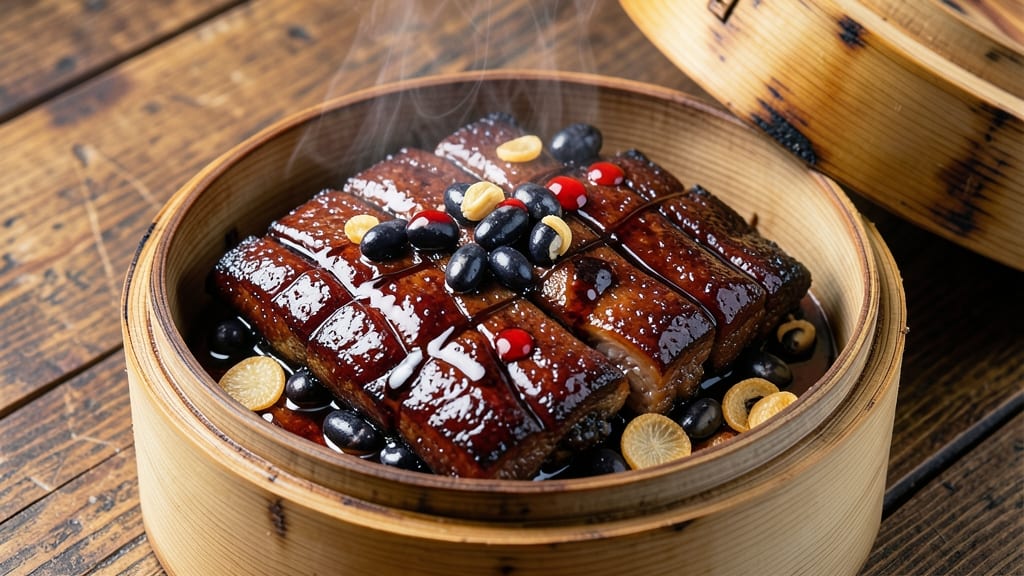
This Chinese steamed black bean spare ribs recipe delivers the perfect balance of silky sauce and crispy edges—a technique I've perfected after years of testing traditional methods.
The key lies in marinating the ribs with fermented black beans and soy sauce, then steaming them just enough to tenderize without losing that satisfying crunch. What makes this dish special is how the black bean paste transforms tough ribs into melt-in-your-mouth perfection while maintaining that signature crispy exterior.
The beauty of this recipe is its approachability—no specialized equipment needed beyond a steamer basket and a wok. You'll start by preparing the black bean paste, which carries deep umami and earthy notes that penetrate the meat.
The ribs steam until tender, then finish in a sizzling wok to lock in moisture while creating those coveted crispy edges. This method ensures restaurant-quality results without the fuss of long braising times.
What you'll end up with is a plate of ribs that's tender yet resilient, coated in a glossy black bean glaze that's both savory and slightly sweet.
The aroma alone will have everyone gathering around the table, and each bite delivers that perfect contrast of textures—crispy on the outside, succulent on the inside. The sauce clings beautifully, making every forkful a harmonious blend of flavors.
Serve these ribs with steamed jasmine rice and quick-pickled vegetables for a complete meal that's both comforting and impressive. The leftovers reheat well, too—just a quick steam to restore that crispy edge. Let's get started on creating this timeless classic in your own kitchen.
Ingredients for chinese steamed black bean spare ribs
Just 14 ingredients transform tough ribs into melt-in-your-mouth perfection with crispy edges.
| Ingredient | Amount | Notes |
|---|---|---|
| Spare Ribs 🍖 | 3 lb | Baby back or St. Louis style, membrane removed |
| Fermented Black Beans 🫘 | ½ cup | Packed, from Asian market or jarred |
| Light Soy Sauce 🥄 | ½ cup | Kikkoman preferred, low sodium if desired |
| Dark Soy Sauce 🥄 | 2 tbsp | For deep color and richness |
| Shaoxing Wine 🍷 | ¼ cup | Substitute dry sherry if unavailable |
| Brown Sugar 🍯 | ¼ cup | Packed, light or dark |
| Garlic Cloves 🧄 | 6 cloves | Minced, fresh preferred |
| Fresh Ginger 🌿 | 1 tbsp | Grated, peeled, about 1-inch piece |
| Green Onions 🧅 | 3 whole | White and green parts separated |
| Sesame Oil 🫒 | 1 tbsp | Toasted, for finishing |
| Cornstarch 🌾 | 2 tbsp | For crispy edges |
| Neutral Oil 🫒 | 2 tbsp | Vegetable or canola for wok |
| Jasmine Rice 🍚 | 2 cups | Uncooked, for serving |
| Sesame Seeds 🌱 | 1 tbsp | Toasted, for garnish |
Fermented black beans are the secret weapon here—Asian markets carry them in jars, but Trader Joe's often stocks them too. If you can't find them, black bean paste works in a pinch, though the texture won't be identical. The ribs should be about 1/2-inch thick—thinner cuts steam faster but lose crispiness. For the best flavor, Kikkoman soy sauce is my go-to, but any good-quality brand will do. Shaoxing wine adds depth—if you can't find it, dry sherry is the next best thing. The ginger should smell fresh and zesty, not musty.
No fermented black beans? Black bean paste plus 1 tbsp water mimics the texture, though it's thicker. Subbing dark soy sauce for half the light soy deepens the color without overpowering. For extra crispiness, cornstarch the ribs before steaming—just toss them in a bag with 1 tbsp cornstarch. The sesame oil is for finishing—toasted in a dry pan for 30 seconds to deepen the flavor. If you're short on time, pre-cut ribs from the meat section work, but trimming excess fat ensures better sauce absorption.
Steamed ribs reheat beautifully—just a quick 3-minute steam restores that crispy edge. Store leftovers in an airtight container for up to 4 days. The black bean paste keeps in the fridge for 6 months once opened. For serving, I always double the rice—jasmine rice is ideal, but any long-grain works. Garnish with toasted sesame seeds right before serving so they stay fresh. The sauce thickens as it cools, so thin with a splash of water if needed.
Why You'll Love This Recipe
- No-Chop Required: I swear by this shortcut—just marinate the ribs whole in fermented black beans and Shaoxing wine, then steam. No peeling bones, no dicing, no mess. The beans soften and cling to the meat like a flavor blanket while you sip tea.
- Umami Bomb: That first bite? The fermented black beans pack a punch—salty, funky, deep—while the dark soy sauce adds a glossy, caramelized edge. It’s the kind of dish where every mouthful tastes like you’ve been cooking for hours (even though you haven’t).
- Steam-and-Go Meal: Between us, this is my lazy Sunday lunch or weeknight win. Double the batch, steam it all, and you’ve got Monday dinner covered. The ribs stay tender for days, so reheat them with a splash of soy sauce—still tastes fresh.
- Pantry Magic: Honestly, the ingredients won’t break the bank. Black beans last forever, soy sauce is a staple, and ribs are cheaper than most cuts. It’s the kind of recipe that makes you feel fancy without the grocery haul—plus, leftovers taste better the second day.
Step-by-step instructions for Chinese steamed black bean spare ribs
Here's how to make ribs with tender meat and crispy edges using simple techniques.
Prepare the Ribs for Maximum Flavor
Start by rinsing the 3 lb spare ribs under cold water and patting them completely dry with paper towels. I like to remove any excess fat from the surface—just enough to leave about ¼ inch of fat cap for flavor. Using a sharp knife, score the ribs in a diamond pattern, cutting through the fat but not the meat. This helps the sauce penetrate deeper and creates those beautiful crispy edges we're after.
In a large bowl, combine the 0.5 cup fermented black beans, 0.5 cup light soy sauce, 2 tbsp dark soy sauce, 0.25 cup shaoxing wine, and 0.25 cup packed brown sugar. Mix well until the sugar dissolves completely. This marinade is the foundation of our silky sauce, so make sure it's smooth. Add the ribs to the bowl and turn to coat evenly. Cover and refrigerate for at least 2 hours, or overnight if you can—this lets the flavors meld and the ribs absorb the marinade.
Build the Sauce Base
After marinating, remove the ribs and discard the excess marinade (save about ¼ cup for later). In a large wok or deep skillet, heat 2 tbsp neutral oil over medium-high heat. Add the 6 minced garlic cloves and 1 tbsp grated fresh ginger, cooking for 30 seconds until fragrant—you'll smell that aromatic punch. Be careful not to let them burn, as they cook quickly.
Pour in the reserved ¼ cup marinade and let it simmer for 2 minutes until slightly reduced. This step develops the sauce's depth of flavor. Stir in 2 tbsp cornstarch mixed with 2 tablespoons water to create a smooth slurry. Cook for another 30 seconds until the sauce thickens slightly—it should coat the back of a spoon. Remove from heat and set aside. This is our base sauce that will transform into something extraordinary when combined with the steamed ribs.
Steam the Ribs to Tender Perfection
Set up your steamer by filling a large pot with 2 inches of water and bringing it to a boil. Place a heatproof plate or rack in the pot and arrange the ribs on top, bone-side down. Cover and steam for 1 hour 15 minutes. I know it seems like a long time, but patience is key here—this is what makes the meat silky and tender.
After steaming, carefully transfer the ribs to a large bowl. Pour the prepared sauce over them and gently toss to coat evenly. The ribs should be glistening with sauce. Cover the bowl with foil and let them rest for 10 minutes. This resting period allows the juices to redistribute, ensuring each bite is moist and flavorful. While the ribs rest, cook the 2 cups jasmine rice according to package instructions—it'll be ready just in time to serve.
Finish with Crispy Edges and Garnish
After resting, transfer the ribs to a serving platter. Heat a clean skillet over high heat and add 1 tbsp sesame oil. Quickly sear the ribs for 30 seconds on each side until they develop those beautiful crispy edges we're after. This step is crucial for that perfect texture contrast between tender meat and crispy exterior.
Garnish with the white parts of 3 sliced green onions and sprinkle with 1 tbsp toasted sesame seeds. Serve immediately with the steamed jasmine rice. The ribs should be fork-tender with a glossy, dark sauce clinging to every bite. Each piece should pull apart easily, revealing that perfect balance of crispy edges and silky meat. This is where all the hard work pays off—crispy edges, tender meat, and that irresistible black bean sauce in every bite.
Pro Tips For Making Chinese Steamed Black Bean Spare Ribs
- Parboil First: Skip the raw ribs straight into the steamer—soak them in hot water (just off boil) for 3-4 minutes first. This kicks off the collagen breakdown early, so your ribs stay tender instead of tough. I learned this the hard way after serving rubbery ribs to skeptical guests.
- Toast the Black Beans: Dry-fry the fermented black beans in oil for 30 seconds until fragrant before adding them to the ribs. This deepens their nutty flavor and prevents them from turning mushy during steaming. Sounds minor, but it’s the thing that matters most when you want that restaurant-level aroma.
- Balance the Soy Sauces: Use light soy for color and dark soy for depth—about 1 tablespoon each per pound of ribs. Too much light soy makes the sauce look pale; too much dark soy turns it bitter. Taste the sauce before steaming, even if it feels redundant.
- Steam in Two Batches: Crowd the ribs, and they’ll steam unevenly. Work in two batches if needed—this guarantees the center cuts cook through while the edges stay tender. Yes, it’s an extra load of dishes, but your future self will thank you for avoiding dry, overcooked ribs.
Flavor customization for chinese steamed black bean spare ribs
Sweet and Tangy Twist
For a brighter flavor profile, add 1 tbsp honey or maple syrup to the marinade along with the brown sugar. This balances the fermented black beans' earthiness with natural sweetness. I also toss in 1 tsp grated orange zest for a citrusy kick that brightens the dish.
The honey caramelizes slightly during steaming, creating a glossy, slightly sticky sauce that clings beautifully to the ribs. 🍯
Spicy Sichuan Kick
Transform this into a fiery Sichuan-style dish by adding 1 tbsp Sichuan peppercorns (toasted and crushed) and 1 tbsp chili bean paste to the marinade. After steaming, finish with 1 tsp chili oil and extra sesame seeds.
The peppercorns create that signature numbing heat, while the chili oil adds a smoky, spicy finish. Serve with extra pickled vegetables to cool the palate.
Smoky BBQ Fusion
For a smoky twist, replace ½ cup of the light soy sauce with ½ cup BBQ sauce (I like Sweet Baby Ray's Original). Add 1 tbsp smoked paprika to the marinade and finish with a drizzle of hot sauce (like Cholula).
The ribs develop a deep, smoky flavor while maintaining their tenderness. This fusion works surprisingly well with the black bean base, creating a sweet-savory-smoky profile that's addictive.
Vegetarian Black Bean Ribs
Swap the ribs for extra-firm tofu (pressed and cubed) or mushroom caps (like king oyster mushrooms) for a meatless version. Marinate the tofu or mushrooms in the same black bean sauce for 1 hour (tofu absorbs faster).
Steam for 20 minutes (tofu) or 15 minutes (mushrooms) until tender. The texture becomes chewy and satisfying, with the sauce clinging beautifully. Garnish with extra sesame seeds and green onions for freshness.
Herb-Infused Variation
Add fresh herbs like cilantro, Thai basil, or mint (about 2 tbsp chopped) to the sauce after steaming. These herbs brighten the dish with their aromatic notes. For a more robust flavor, infuse the sesame oil with 1 tbsp chopped herbs (like cilantro or basil) before finishing the ribs.
The herbs add a fresh, vibrant contrast to the deep umami of the black bean sauce. 🌿
Sweet Chili Glaze
Create a sweet-chili glaze by mixing 2 tbsp black bean paste (or extra fermented black beans) with 1 tbsp rice vinegar, 1 tbsp honey, and 1 tsp red chili flakes. Brush this glaze over the ribs after steaming and before searing.
The glaze caramelizes slightly, adding a glossy, slightly sticky finish with a perfect balance of sweet, tangy, and spicy flavors. This variation is especially popular in modern Chinese cuisine and pairs well with a crisp cucumber salad.
Nutrition facts
Frequently asked questions
Can I use regular black beans instead of fermented black beans?
Fermented black beans are key for that authentic umami depth, but you can substitute with black bean paste plus 1 tbsp water to mimic the texture. For a closer match, soak ½ cup dried black beans overnight, then blend with 2 tbsp soy sauce and 1 tsp sugar until smooth. The flavor won't be identical, but it'll work in a pinch.
How do I get the ribs extra crispy without drying them out?
The secret is the cornstarch toss before steaming—just coat the ribs lightly with 1 tbsp cornstarch in a bag. After steaming, sear them in a hot skillet with 1 tbsp sesame oil for 30 seconds per side to lock in moisture while creating crispy edges. Don't overcrowd the pan, or they'll steam instead of crisp.
Can I make this recipe in an Instant Pot or electric steamer?
Yes! For the Instant Pot, use the steam function with 1 cup water and steam for 45 minutes on high pressure. For electric steamers, follow the same timing as stovetop but check at 1 hour—they may cook slightly faster. The sauce method remains identical. Just ensure the ribs reach 195°F internal temp for perfect tenderness.
What's the best way to store leftovers?
Store ribs in an airtight container with any remaining sauce. They keep for 4 days in the fridge. To reheat, steam for 3-5 minutes until warmed through, then sear again in a hot pan for 20 seconds per side to restore crispiness. The sauce may thicken—thin with a splash of water if needed.
Can I use pork belly instead of spare ribs?
For pork belly slices (about 1-inch thick), reduce steaming time to 45 minutes and increase the marinade by 2 tbsp soy sauce. The fat renders beautifully, creating a rich sauce. For extra crispiness, blanch the belly in hot water for 2 minutes before marinating to remove excess fat. The texture becomes tender yet firm, with a luxurious mouthfeel.